

Married at First Sight moved from Lifetime to Peacock beginning with Season 19 in 2025, and that programming change now reads less like an isolated rights move than a cultural signal. Reality TV Streaming has become a test of whether loyal audiences will follow familiar formats across paid platforms, ad-supported tiers, apps, and social conversation without losing the habits that made those shows feel communal in the first place. This is market-analysis, not a claim that every series will benefit equally.
The timing matters. By October 18, 2026, the broad direction of television viewing was already clear in the research record: streaming had taken a larger share of U.S. television screen time than cable or broadcast. The question for unscripted television is not whether viewers can adapt. Many already have. The sharper question is which reality formats remain culturally legible once their old channel identity, weekly cable routine, and casual discovery pathways have weakened.
Why Reality TV Streaming Rewards Known Brands
Reality TV Streaming And Audience Adaptation
Confirmed market data helps explain why Married at First Sight could make the move without feeling like a wild experiment. In May 2026, streaming accounted for 48.6% of all U.S. television screen time, while cable accounted for 20.4% and broadcast for 19.2%, according to CableCompare viewing data. In July 2026, streaming had risen to 49.0% of TV usage, while cable sat at 18.7% and broadcast at 19.5%, according to Adwave’s Q3 2026 report.
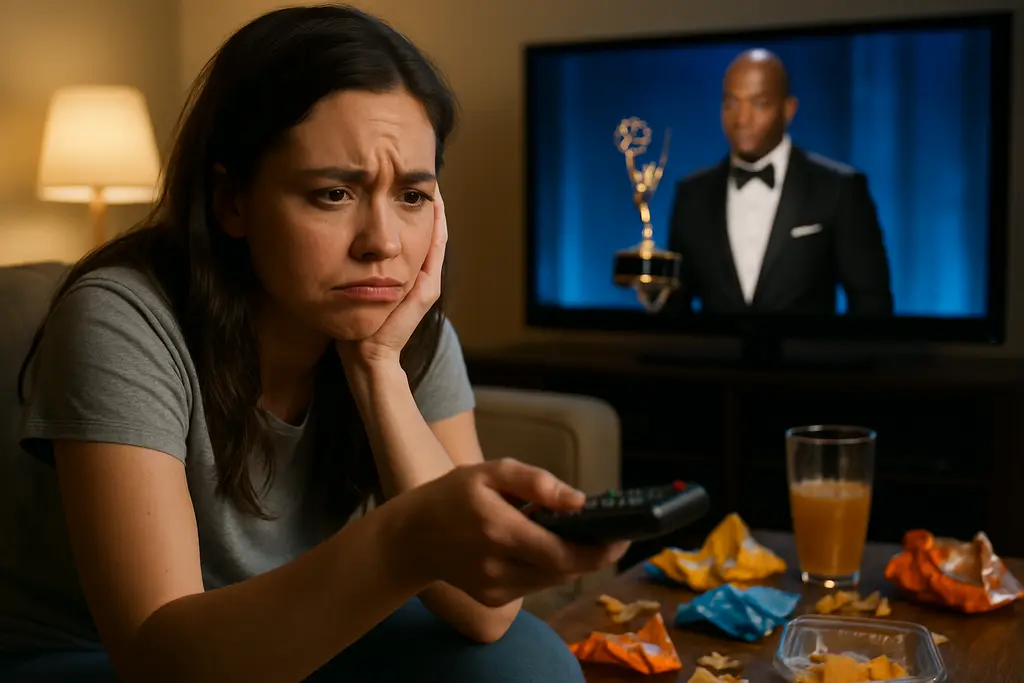
The cultural question for Reality TV Streaming is whether access alone can replace habit. Cable gave reality shows a fixed address. Viewers knew the channel, the time slot, the rerun pattern, and often the social rhythm around a new episode. Streaming changes that into a more individual act: search, subscribe, save, resume, discuss later. That is convenient, but it also weakens the shared schedule that reality TV has long used to turn ordinary viewing into group judgment.
MAFS As A Loyalty Test
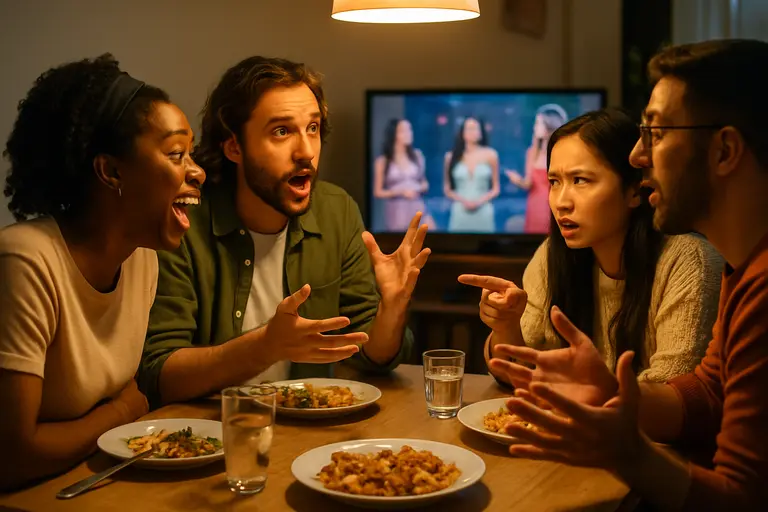
Married at First Sight is a useful case because it already had franchise recognition before the Peacock move. The format is easy to summarize, emotionally direct, and built around weekly interpretation: Who is trying? Who is performing? Who understands the assignment? Those questions travel well across platforms because the audience is not only watching couples. It is watching a social experiment become a public argument about intimacy, compatibility, expertise, and the limits of televised matchmaking.
Research notes also point to fan-sourced claims that Season 20 streaming numbers in 2026 were up by about 90% compared with prior seasons. That figure should be treated as unverified because it was not presented as an official platform metric. Still, even the circulation of that claim shows how audiences now participate in platform analysis. Viewers no longer only debate cast behavior; they debate whether a move to streaming helped or harmed the franchise. For a closer site-specific reading of the show’s post-move audience pattern, TrueRealTV previously examined MAFS Season 20 viewership.
The Cost Of Following Favorite Shows
Subscription Fatigue Changes The Bargain
Audience adaptation is not free. The research notes include a 2026 survey finding that six in ten reality TV viewers said they had signed up for a new streaming service just to watch a favorite reality show, and 82% kept the subscription after the season ended. That is a powerful retention story for platforms, but it also raises a more uncomfortable cultural point: reality fandom is being converted into billing continuity.
That matters because reality TV has often been sold as accessible television. It was not always prestige-priced, and its pleasures were not limited to subscribers who could afford multiple services. If the genre moves too far into a paywalled or app-fragmented model, it risks narrowing the audience that made it culturally loud. A dating show, competition format, or reunion special gains force when people across income levels, regions, and viewing habits can argue about it together. Fragmentation can make that shared noise quieter.
The research notes also say U.S. consumers were surveyed as spending an average of $3,350 per year across streamers in 2025, a 2% increase year over year. That figure should not be used to assume every household faces the same bill, but it does clarify the pressure point. If every beloved series asks for its own subscription decision, even loyal viewers may start ranking shows with more severity.
Discovery Is Cultural Power
Reality franchises with strong brand identity have an advantage. Research notes identify established brands such as The Bachelor, Survivor, and Real Housewives as better positioned to retain audiences after platform or format changes. Less-established series face a harsher problem: they may be available, but not found. In streaming, invisibility can look deceptively like failure.
This is where distribution becomes cultural power. A platform interface can decide whether a show feels central or buried. A banner placement, autoplay prompt, recommendation row, or social clip can shape public awareness before an episode is judged on its own terms. For readers tracking how online video habits shape entertainment culture beyond one franchise, Internet Video Magazine provides insights into related video trends within the same media network.
For reality TV, discovery also affects who gets represented. If platforms mainly promote proven franchises, newer formats with different class backgrounds, regional identities, ethics, or social themes may have less room to build an audience. That is not only a business concern. It shapes what kinds of ordinary people are allowed to become visible on screen.
What The Format Must Learn From Viewers
Values-Based Viewing Is Not A Side Issue
One of the more revealing parts of the research notes concerns values. Among reality TV fans, 65% were described as alarmed or concerned about climate change, 38% reported changing habits due to shows they had watched, and 70% wanted more green energy or environmental action represented on screen. Those numbers suggest that reality audiences should not be caricatured as viewers who only want conflict, romance, and spectacle.
This does not mean every unscripted series needs to become a civic lesson. Viewers can sense forced messaging quickly. But the data points toward a more layered audience: people who enjoy interpersonal drama may also care about housing, labor, sustainability, consumption, and social responsibility. Reality producers often treat those themes as background. Streaming could make them more visible if platforms use niche targeting to support formats that reflect audience values rather than only repeat familiar emotional triggers.
Format Choices That Could Reduce Friction
Market-analysis suggests that the strongest streaming-era reality formats will not simply copy cable habits. They will keep the emotional clarity that viewers recognize while reducing the frustration that comes from platform movement. Several practical choices follow from the research:
- Protect recognizability: Keep the core format clear when a show changes platforms, especially for long-running franchises.
- Respect cost sensitivity: Use ad-supported options where possible so one-show fandom does not always require a higher monthly bill.
- Improve discovery: Treat reality programming as appointment culture, not disposable catalog filler.
- Use social viewing carefully: Bonus clips and cast content can extend interest, but they should not replace coherent episodes.
- Reflect audience values: Social and environmental themes work best when built into format design rather than added as decoration.
The caution is that streaming rewards quantity of engagement, but reality TV depends on quality of attention. If viewers feel manipulated by endless add-ons, confusing release patterns, or scattered extras, loyalty can turn into irritation. The most durable formats will make the viewer feel followed, not chased.
Married At First Sight And Reality TV Streaming
The future of Reality TV Streaming will likely belong to franchises that can carry both familiarity and friction. Married at First Sight had a known title, a repeatable structure, and an audience trained to discuss relationship behavior in public. Those strengths made the Peacock move less risky than it would have been for an untested social experiment. Yet the move also exposed the new bargain: viewers may follow, but they will measure the cost, convenience, and cultural payoff more directly.
Opinion: the genre’s future is not simply streaming versus cable. It is shared culture versus scattered access. Reality television works best when people can form judgments together, even when those judgments are messy or contradictory. Streaming can support that if platforms treat reality shows as social events with clear access points, fair pricing options, and strong discovery. It can weaken it if every franchise becomes another isolated subscription task.
Married at First Sight shows both sides of the change. Its move to Peacock fit the confirmed viewing direction of 2026, and its loyal audience gave it a plausible path beyond cable. But the broader genre should not assume that loyalty is automatic. Viewers adapt, but adaptation is not consent to endless fragmentation. The next phase of reality TV will be shaped by platforms that understand a simple cultural truth: audiences do not only want to find a show. They want the show to still feel like something other people are finding with them.