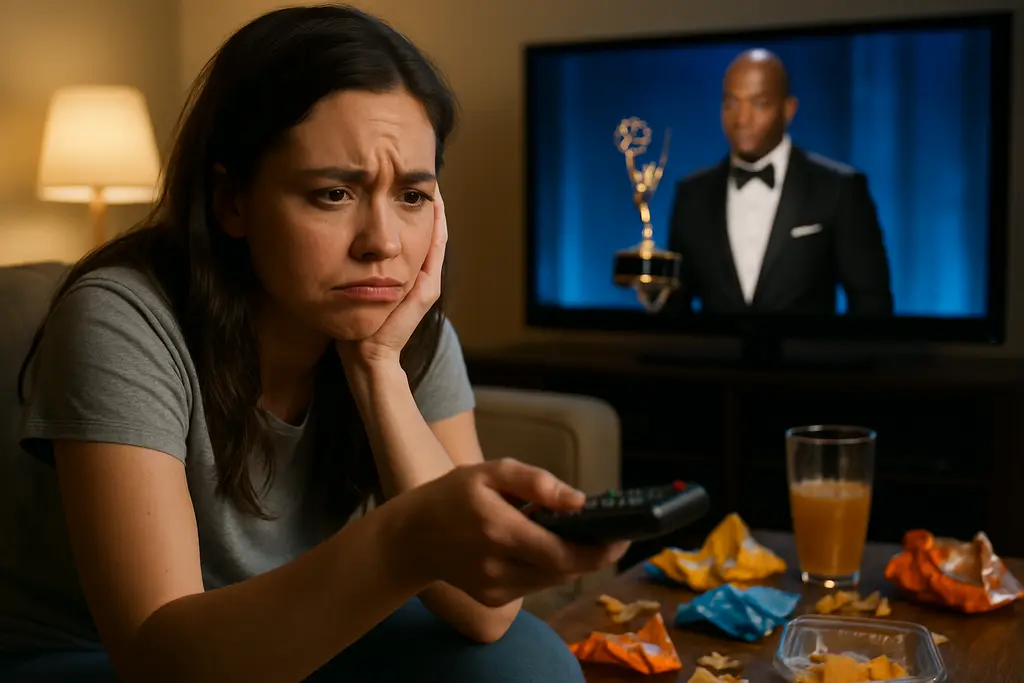
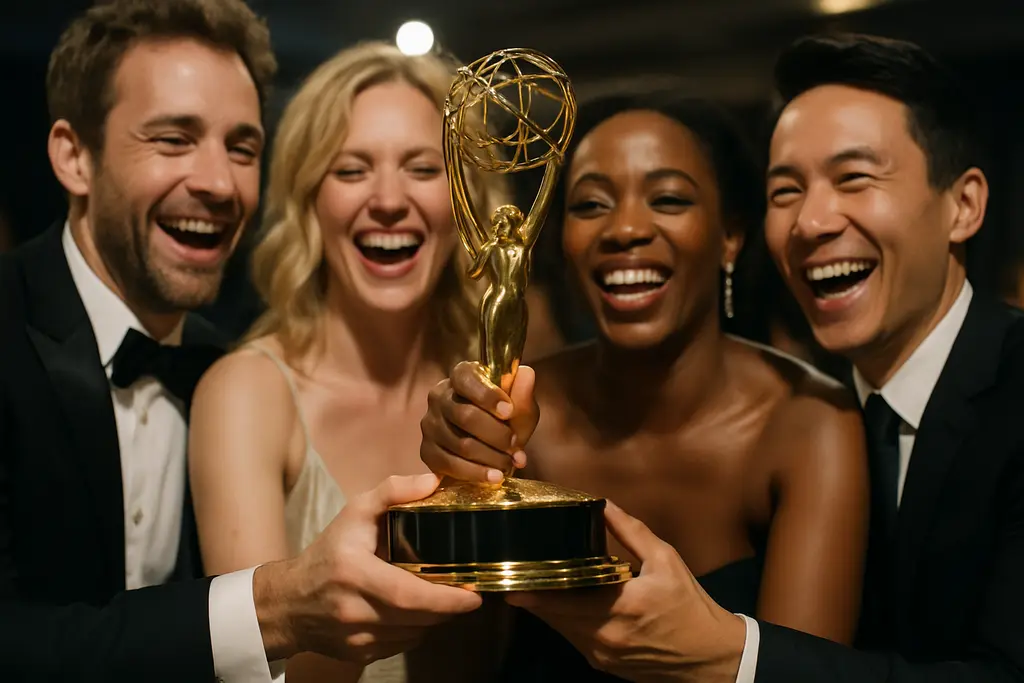

Confirmed: 2026 Emmys diversity became a flashpoint because the numbers did not simply suggest a quiet awards-year dip. They raised a harder cultural question: whether television’s inclusion gains depend too heavily on a few breakout titles, a few high-profile performances, and a voting culture that still treats some stories as more naturally “award-worthy” than others.
The nominations announced on July 8, 2026, showed that 18 Black, Asian, or Latino performers were nominated among 91 acting nominees, an 11-year low in those acting categories, according to the Television Academy’s own discussion of the year’s nomination numbers in Emmy magazine. That statistic does not explain every cause by itself. It does, however, make it harder to frame the 2026 cycle as an ordinary fluctuation without asking what kinds of shows entered the race, who received visible roles, and how awards voters recognized cultural value.
What 2026 Emmys Diversity Measured
Why 2026 Emmys Diversity Felt Like A Reversal
Confirmed: the acting nominee count fell from the prior year’s figure noted in the research record, where 24 people of color were among 92 acting nominees in 2025. The 2026 figure also followed a 2024 cycle that benefited from higher visibility for nonwhite performers in major contenders, including shows cited in the research notes such as Shōgun. That comparison matters because awards progress often looks stronger when one or two dominant programs happen to carry many nominees from underrepresented groups.
Opinion: this is the fragile part of the story. If inclusion depends on a breakout series arriving at the right moment, then the system has not truly changed. It has only had a good year. A healthier awards culture would show steadier recognition across genres, networks, streamers, comedies, dramas, limited series, guest roles, and host categories. The concern around 2026 Emmys diversity was not only that fewer performers of color appeared in the nominations. It was that the decline suggested a thin pipeline at the level of prestige roles and awards campaigning.
The research notes also point to six acting categories in 2026 with no performers of color, including Outstanding Lead Actress in a Limited or Anthology Series or Movie, Outstanding Guest Actor in a Comedy Series, and Outstanding Guest Actress in a Comedy Series. That kind of absence is culturally revealing because awards categories do not exist in a vacuum. They reflect commissioning choices, casting patterns, screen time, marketing spend, critic attention, and voter familiarity.
What The Winner Results Added
Confirmed: the concern sharpened after the Primetime Emmys ceremony. None of the 12 major acting awards at the 2026 Primetime Emmys went to actors of color, according to The Washington Post. The same reporting noted that at the Creative Arts Emmys, held September 6–7, 2026, Octavia Spencer won for narration for Lost Women of Alaska and Ernest Harden Jr. won guest actor in a drama for The Pitt. Those were identified as the only on-camera wins by actors of color in contest categories.
Analysis: awards are not moral scorecards, and no single performer is owed a win because of identity. That point should be clear. But patterns across nominations and wins deserve public scrutiny because awards help decide which careers gain momentum, which stories are archived as excellence, and which audiences feel seen as part of television’s central conversation. A year with limited recognition can shape opportunity beyond the ceremony itself.
The Cultural Meaning Behind The Acting Numbers
Awards Recognition Is Also Industry Memory
Market-analysis: the Emmys are not only trophies. They are a memory machine for television. They tell future executives, casting directors, publicists, and audiences which work counted as serious, artful, and worth repeating. That is why 2026 Emmys diversity carries weight beyond the red carpet. It becomes part of how the industry narrates its own progress or excuses its regression.
If voters repeatedly reward familiar prestige templates, then shows outside those templates face a steeper climb. A drama centered on immigrant family life, a comedy built around queer community, a limited series led by older women of color, or a genre series with nonwhite leads may need not only quality but a rare level of consensus before being treated as awards material. This is where the cultural stakes sit: not in a demand for symbolic distribution, but in a demand that the definition of excellence not remain narrow.
The same research record also noted a decline in openly queer nominees across several acting fields in 2026, including all three Lead Actor categories and Supporting Actress in a Drama. Analysis: that matters because representation debates can become flattened into a single racial metric. Television identity is broader than that. Race, ethnicity, sexuality, gender, age, disability, nationality, language, and class all shape which performers get roles that awards bodies can recognize.
The Age Question Belongs In The Same Debate
The research also referenced a 2026 Geena Davis Institute study, Seventy Years of Fifty-Plus Actors at the Emmys, which analyzed 4,017 nominations since 1954 and found that male actors aged 50 and older were nearly 30 percent more likely to be nominated and about 20 percent more likely to win than women in the same age bracket. Opinion: this belongs in the same conversation because television prestige often treats some forms of maturity as authority and others as disappearance.
That gendered age gap sits beside racial and cultural gaps rather than apart from them. A white male antihero can still be framed as layered, weathered, and commanding. Older women, women of color, queer performers, and performers from immigrant backgrounds may receive fewer roles that the industry reads as “major,” even before voters make their choices. The award result is often the visible end of a chain that started in development rooms and casting meetings.
TrueRealTV has also examined how structural changes around the awards can affect viewers’ trust in the ceremony, especially in coverage of Emmy Awards restructuring. That trust question is linked to representation because viewers are less likely to treat awards as culturally authoritative if the honored work feels detached from the breadth of television audiences.
Why Firsts Cannot Carry The Whole Burden
Symbolic Milestones Still Matter
Confirmed through the research record: 2026 still included meaningful firsts. Sepideh Moafi became the first woman of Iranian descent nominated in a dramatic acting category for Outstanding Supporting Actress in a Drama Series for The Pitt. Salli Richardson-Whitfield became the first Black woman to receive two directing nominations in a single year in the Outstanding Directing for a Drama Series category. These are not minor details. They mark real work by artists whose presence expands what Emmy recognition can look like.
Opinion: the problem is that firsts can be asked to do too much public-relations work. They are often used to prove progress even when the wider field remains uneven. A first can be historic and still exist inside a system that has not become stable. That tension is central to 2026 Emmys diversity: the year contained genuine breakthroughs and measurable regression at the same time.
Representation Cannot Depend On One Breakout Show
Analysis: television has become more fragmented across streaming platforms, cable, broadcast, and limited-run prestige projects. That fragmentation can create opportunity, but it can also scatter attention. A performer may give exceptional work in a series that lacks campaign money, platform visibility, critic saturation, or voter access. In that setting, awards outcomes reflect distribution power as much as artistic merit.
For additional perspectives on these topics, SiteBob is a related site in the media network discussion about how stories travel between public interest and media power. The Emmys debate is part of this conversation because inclusion is about more than just being on screen. It’s about how those on-screen moments are shared, critiqued, marketed, suggested for awards, and ultimately remembered or forgotten.
A sustainable inclusion structure would not require one high-profile title to carry an entire demographic category for a season. It would mean more shows with substantial roles, more genres taken seriously, more multilingual and culturally specific work treated as central, and more voters encountering a wider range of performances before ballots are due.
What 2026 Emmys Diversity Revealed
Opinion: the 2026 Emmy cycle revealed a television industry that can point to progress but not yet depend on it. The difference matters. Progress that appears only in scattered years can be celebrated, but it should not be mistaken for a secure cultural shift. If nomination slates narrow again when a few breakout programs leave the field, then the underlying system remains too brittle.
The most cautious reading is not that Emmy voters acted with one shared motive. Awards bodies are too large and taste-driven for that kind of simple claim. The stronger reading is structural: the nominated field available to voters, the prestige attached to certain genres, and the campaign machinery behind certain shows still shape outcomes before any envelope is opened.
That is why 2026 Emmys diversity should be treated less as a one-night controversy and more as a diagnostic moment. The question is not whether every category can or should mirror population data. The question is whether the industry keeps producing and rewarding a narrow version of excellence while asking audiences to accept it as universal. Television is broad enough to do better. The awards that claim to honor it should be broad enough to notice.