

Seinfeld has been off network television for decades, but the Seinfeld Renewal on Netflix in 2026 made one thing plain: the sitcom is not being treated like a museum piece. It is still being managed as active television inventory, a comfort-viewing engine, and a cultural reference point that keeps finding younger viewers who did not watch its NBC run in real time.
Confirmed reporting gives the renewal real weight. On August 13, 2026, Sony Pictures Television renewed the show’s Netflix streaming license for another five years, keeping all 180 episodes on the platform globally through at least 2031, while Paramount extended exclusive basic cable rights in the United States for three years on outlets including Comedy Central and TV Land, according to Variety’s deal report. That is not nostalgia alone. It is distribution strategy.
Why The Seinfeld Renewal Matters After The Deal
Seinfeld Renewal As A Confirmed Licensing Signal
The Seinfeld Renewal matters because it arrived after streaming services had become far more selective about expensive catalog bets. The deal did not introduce a new cast, new episodes, or a franchise spin-off. It recommitted to a finished sitcom whose original finale aired on May 14, 1998. That choice says a great deal about how platforms still value shows that can be rewatched without homework.
Market-analysis: Netflix did not need Seinfeld to behave like a weekly event drama. Its value is steadier than that. A viewer can sample one episode, rewatch a familiar arc, or let the show run as background comedy. For streaming services, that kind of flexible use is valuable because it fills gaps between newer originals and reduces reliance on constant premiere pressure.
What Netflix Bought Was Habit, Not Novelty
Opinion: the renewal is less about proving that every young viewer loves Seinfeld and more about proving that the show remains useful in many viewing modes. Some viewers arrive because parents quoted it. Some arrive through clips. Some know only the broad reputation: a show about social irritation, petty rules, dating failures, work avoidance, and friendship without moral improvement.
That premise travels well because it is small. Seinfeld does not require interest in a fantasy world, a crime mythology, or a franchise timeline. It asks viewers to recognize annoying human behavior. The production choice that once made the show feel sharp — refusing to soften its characters into lesson-learning sitcom figures — also helps younger audiences read it as less sentimental than many older comedies.
Why Younger Viewers Still Find A Way In
Market-Analysis: Discovery Beats Devotion
There is a caution here. Newer viewers may engage with Seinfeld without feeling the same emotional attachment as viewers who watched it during its original run. The research notes point to a generational gap in affection, with younger adults less likely than older groups to say they “love” the show. That does not make the renewal irrational. It shows that streaming value is not identical to declared devotion.
A younger viewer may not rank Seinfeld as a personal favorite and still understand its jokes, quote its scenes, or recognize its influence through memes and short clips. That is a different kind of cultural life. It is less about appointment viewing and more about reuse: a reaction image, a phrase, a clip passed around because the social discomfort still lands.
Opinion: The Show Travels Because It Is Socially Uncomfortable
Reviewed as television culture, Seinfeld remains effective because its conflicts are painfully ordinary. Waiting too long to return a call, pretending to care, lying badly, making rules for gifts, obsessing over restaurant etiquette — these stories are not tied to one decade in the way some technology or fashion details are. The details age. The embarrassment does not.
That is also where audience expectations have shifted. Younger viewers often approach older sitcoms with awareness of changing norms around representation, workplace behavior, gender politics, and casual cruelty. Seinfeld does not always escape that scrutiny. Yet its core comic engine is not built on warm reassurance. It is built on exposure. The characters are frequently selfish, evasive, and wrong. The show’s durability partly comes from the fact that it rarely asks viewers to admire them.
What The Numbers Say About Cultural Memory
Confirmed Reach Without A New Episode
The strongest case for the show’s continued relevance is reach. In the first half of 2026, Seinfeld reached nearly 60 million Americans across streaming and linear television, meaning about 20% of the U.S. population watched at least one minute during that period, according to the same Variety reporting. That number does not prove deep attachment from every viewer. It does prove exposure at a scale most older sitcoms would envy.
The finale also remains part of the show’s mythology. On May 14, 1998, the final episode drew 76 million viewers, a scale The Washington Post compared with the biggest television events of its era in its history of the finale. That past audience size still affects the present. Older viewers remember the event. Younger viewers encounter the show as something their culture already treated as major.
Market-analysis: this is how cultural memory becomes platform value. A streamer does not only license episodes. It licenses recognition. The title card, the bass line, the apartment, the diner, the cadence of argument — those are entry points that lower the friction for sampling. Even viewers who know little about the series may feel they have heard of it enough to try one episode.
Why Old Sitcoms Now Act Like Streaming Infrastructure
Market-Analysis: Catalog TV Has Become A Retention Tool
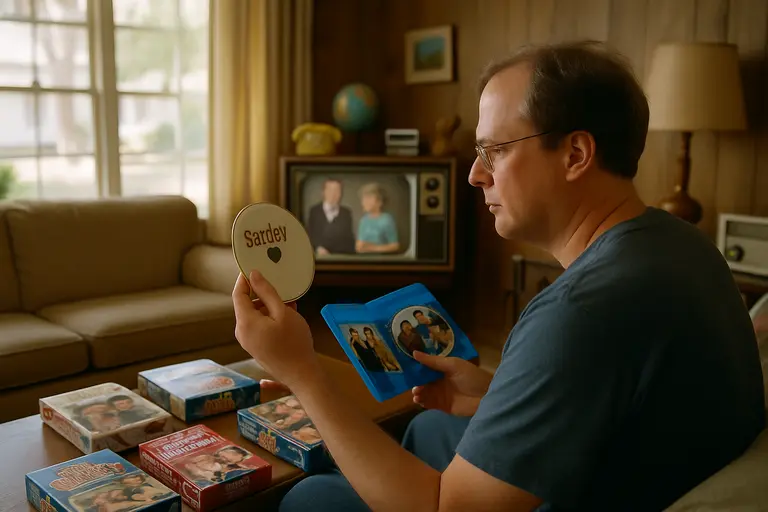
The Seinfeld Renewal also reflects a larger shift in how streamers use older television. Prestige originals can attract attention, but library sitcoms help fill everyday viewing. They are familiar, episodic, and easy to stop and restart. For platforms trying to keep audiences returning between major releases, that pattern has clear value.
That is why the basic cable extension matters as well. The show is not locked into one mode of consumption. It exists on Netflix globally and remains present on U.S. cable through Paramount’s extended rights. That dual presence keeps Seinfeld visible to viewers who browse a streaming menu and viewers who still encounter sitcom reruns through linear channels.
For readers who want a wider look at entertainment through connected sites, NoirWhale provides insight within the same media network.
Seinfeld Renewal And The New Generation Test
The Seinfeld Renewal resonates because it sits at the intersection of memory, convenience, and rediscovery. Older viewers may see a signature comedy preserved. Younger viewers may see a fast, dry, socially tense sitcom that still explains parts of modern joke language. Netflix and Sony see durable rights value. Paramount sees cable utility. Each group is responding to a different version of the same asset.
Opinion: that is the real reason the show keeps traveling. Seinfeld does not need every new viewer to experience it as sacred television. It only needs enough viewers to keep testing it, quoting it, arguing with it, and using it as a shared comic reference. The 2026 renewal confirmed that major distributors believe that process will continue through at least 2031. For a sitcom that ended on May 14, 1998, that is not just afterlife. It is active cultural circulation.