Confirmed: The Walking Dead Netflix deal became public on July 30, 2026, when AMC Global Media said Netflix had received “co-exclusive global streaming rights” to all series in The Walking Dead Universe, covering the original series plus six spin-offs and 371 episodes, with rights reverting to AMC at the end of each show’s five-year term through the company’s Q2 2026 results. For a franchise that premiered on October 31, 2010, and became one of cable television’s defining long-form genre stories, the deal is more than a library sale. It is a case study in how older television franchises are being repackaged for global streaming habits without giving up home-platform value.
Market-analysis: The cultural impact is not measured only in dollars, although the numbers are large. AMC said the deal is valued at $500 million over five years, with about $25 million expected in 2026, about $100 million annually from 2027 through 2030, and remaining payments in 2031. The company estimated a present value of roughly $445 million. Those figures show why a zombie drama from the cable era can still carry strategic weight in 2026: recognizable intellectual property remains useful when platforms need scale, audience familiarity, and repeat viewing.
Why The Walking Dead Netflix Deal Matters Now
Walking Dead Netflix Access Is Co-Exclusive
Confirmed: In the United States, the original The Walking Dead is scheduled to begin co-exclusive streaming on Netflix on January 6, 2027, while other series in the franchise start at various times in 2026 depending on existing territorial rights, according to AMC’s SEC filing. That wording matters. This is not a simple handoff from AMC to Netflix. It is a co-exclusive structure, meaning Netflix can expand reach while AMC retains distribution value around its own platforms and rights calendar.
Market-analysis: The Walking Dead Netflix arrangement reflects a wider shift in streaming economics. During the first phase of the streaming wars, many companies treated exclusive ownership as the primary prize. By 2026, the more practical question is how to earn from libraries without weakening the platforms that paid to build them. AMC’s deal suggests a middle path: sell broad access to a major global streamer, keep the franchise connected to AMC-controlled distribution, and let the franchise circulate where audiences already search for long-running shows.
Opinion: For viewers, co-exclusivity can be culturally meaningful because it reduces the sense that a franchise belongs to only one subscriber base. The Walking Dead grew through appointment viewing, recaps, message boards, social posts, and fan theories. A broader streaming footprint can reassemble some of that shared audience, though the research available by September 21, 2026, does not yet provide post-deal viewing figures or social-engagement changes.
How AMC Turned A Zombie Franchise Into Platform Currency
The Library Became The Product
Confirmed: AMC positioned the licensing agreement as validation of its own intellectual-property and studio model, using the deal while raising full-year financial guidance in Q2 2026. The company also described the arrangement as a source of cash flow over multiple years. That business framing is plain, but the cultural meaning is more interesting: The Walking Dead is no longer only a past hit or an active franchise. It is a monetizable archive.
Market-analysis: The old assumption was that a franchise needed constant new installments to stay alive. AMC’s move argues that access itself can create new cultural circulation. A 371-episode package gives viewers a long runway: newcomers can start at the beginning, returning fans can revisit major arcs, and franchise-aware viewers can move among spin-offs without treating each show as a separate purchase decision. The value lies in making the universe feel continuous again.
Opinion: That matters for a franchise whose reputation has often been shaped by endurance. The Walking Dead became part of television culture because it trained viewers to think in communities, factions, moral tests, and survival systems across many years. Licensing the whole universe together helps restore that scale. The question is not whether every viewer finishes all 371 episodes. The question is whether the franchise once again feels easy to enter, discuss, and sample.
What Global Access Changes For Fandom
Lower Barriers Do Not Guarantee A Revival
Confirmed: The research record states that the Netflix arrangement extends parts of The Walking Dead Universe into territories where availability had been uneven, including the UK, Italy, Australia, and New Zealand, with dates varying because of existing rights. It also notes that a dedicated Walking Dead Universe FAST channel launched on ITVX in the UK on July 7, 2026, beginning with The Walking Dead and Fear the Walking Dead. Those moves point in the same direction: AMC is placing the franchise in subscription and free ad-supported environments rather than relying on a single access model.
Market-analysis: For audiences, that mix changes how fandom can form. Subscription streaming rewards intentional viewing. FAST channels reward casual re-entry. A viewer may not decide to begin a long serialized drama from episode one, but a free continuous channel can reintroduce characters, tone, and atmosphere with less commitment. For a franchise built around repeated shocks and community memory, casual rediscovery still has value.
Opinion: The risk is fragmentation. Different rights windows, territory-specific launch dates, and platform splits can confuse viewers. The deal may broaden availability, but it does not create one identical global experience on the same date. That distinction should temper claims that the franchise has instantly regained a unified worldwide audience. Access has improved; measurable cultural revival remains unproven as of September 21, 2026.
Market-analysis: For readers tracking broader entertainment and media-network shifts, Pilot Pointer is a useful resource for understanding how companies approach distribution strategies and audience engagement across multiple platforms and media properties.
Why Co-Exclusive Rights Fit The Franchise’s Legacy
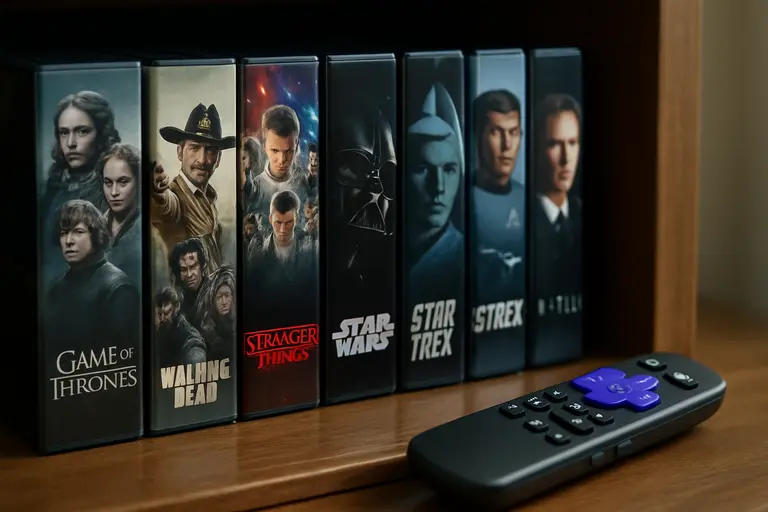
A Cable-Era Hit Meets Streaming-Era Math
Confirmed: The Walking Dead premiered on October 31, 2010, and the original series ran for 11 seasons and 177 episodes. Its long run helped make serialized genre television feel normal on basic cable, especially as viewers grew used to weekly discussion, character deaths, seasonal cliffhangers, and companion coverage.
Market-analysis: The Walking Dead Netflix deal takes that cable-era achievement and adapts it to streaming-era math. The franchise’s value now comes from three linked assets: a large episode count, a recognizable title, and a fan culture that already knows how to talk about the world. Netflix gains a known universe with extensive viewing hours. AMC gains licensing revenue while preserving rights that return at the end of each five-year term. Audiences gain more places to encounter the material, though not always at the same time or under the same access terms.
Opinion: This is why the deal should be read less as nostalgia and more as strategic reuse. Many franchises fade because access becomes scattered or the cultural conversation moves on. AMC is trying to prevent that by treating The Walking Dead Universe as a living library. It does not need every viewer to behave like a peak-era Sunday-night fan. It needs enough viewers to keep the universe recognizable across platforms, territories, and age groups.
What The Walking Dead Netflix Deal Signals
Market-analysis: The Walking Dead Netflix deal signals that legacy television franchises can still shape streaming culture when they offer scale, identity, and flexible rights. AMC’s agreement with Netflix is financial, but its cultural importance sits in access: more territories, more entry points, and a co-exclusive model that lets a major franchise move without fully leaving its original corporate home.
Opinion: The strongest audience impact may be generational. Viewers who missed the original weekly run can encounter the franchise as a large streaming universe rather than as a cable phenomenon they heard about after the fact. Longtime fans may revisit the story with a different sense of pacing, sampling arcs rather than waiting between seasons. Both behaviors change how cultural memory works. The show becomes less a finished event and more a circulating catalog.
Reviewed assessment: Claims of a full fandom resurgence should wait for evidence. The research available as of September 21, 2026, does not include confirmed post-deal viewership growth, merchandise gains, or social-media metrics. What can be said with confidence is narrower but still significant: AMC used one of television’s most durable horror franchises to secure a major licensing agreement, Netflix gained a large global genre package, and audiences are being offered new paths into a universe that helped define serialized TV after the premium-cable boom.