
Confirmed: SACA Sports Rights became a clearer industry issue after Netflix, Amazon, and YouTube launched the Streaming Access and Choice Alliance on September 14, 2026, as a Washington D.C. policy coalition led by TechNet. The coalition arrived after live sports had already moved deeper into streaming, raising a practical question for viewers: does more distribution choice create better access, or does it split the games people care about across too many services?
Market-analysis: The SACA Sports Rights fight is not only about technology companies seeking favorable rules. It is about how sports became one of the last dependable forms of mass live viewing in U.S. television culture. For streamers, sports can reduce churn and create appointment behavior. For leagues, streamers add new bidders. For audiences, the gain is less settled, because exclusivity can turn one national pastime into a monthly subscription puzzle.
Why SACA Sports Rights Became A Policy Issue
The SACA Sports Rights Argument
Confirmed: SACA’s stated purpose, based on the supplied research, is to defend streaming platforms as regulators examine the movement of live sports rights away from broadcast television and toward paid streaming services. Its policy language centers on consumer choice, neutral treatment of distribution technology, and the ability of leagues to negotiate rights with the buyers they prefer.
Market-analysis: That framing is strategic. “Choice” sounds viewer-friendly, but it can mean different things depending on who is speaking. To a platform, choice can mean the freedom to bid on rights and offer new features. To a league, it can mean more negotiating power. To a viewer, it often means the ability to find a game without needing a stack of services. Those meanings do not always line up.
Why The Coalition Formed After September 14
Confirmed: The coalition formed after the sports-rights shift had become visible enough to attract Washington scrutiny. The research says SACA pointed to an approximately 52% increase in sports content on major subscription streaming services since January 2024. That figure helps explain why the issue moved from trade discussion into public policy. Sports are no longer a small add-on to streaming libraries; they are becoming a core part of the subscription pitch.
Opinion: The cultural shift is easy to miss if the debate is framed only as a business fight. Sports used to help organize shared viewing through widely available broadcast windows. Streaming has made some viewing more flexible, but exclusive games can make access feel narrower for households that once treated major games as common TV events.
What Changed For Sports Viewers
Fragmentation Became The Viewer Experience
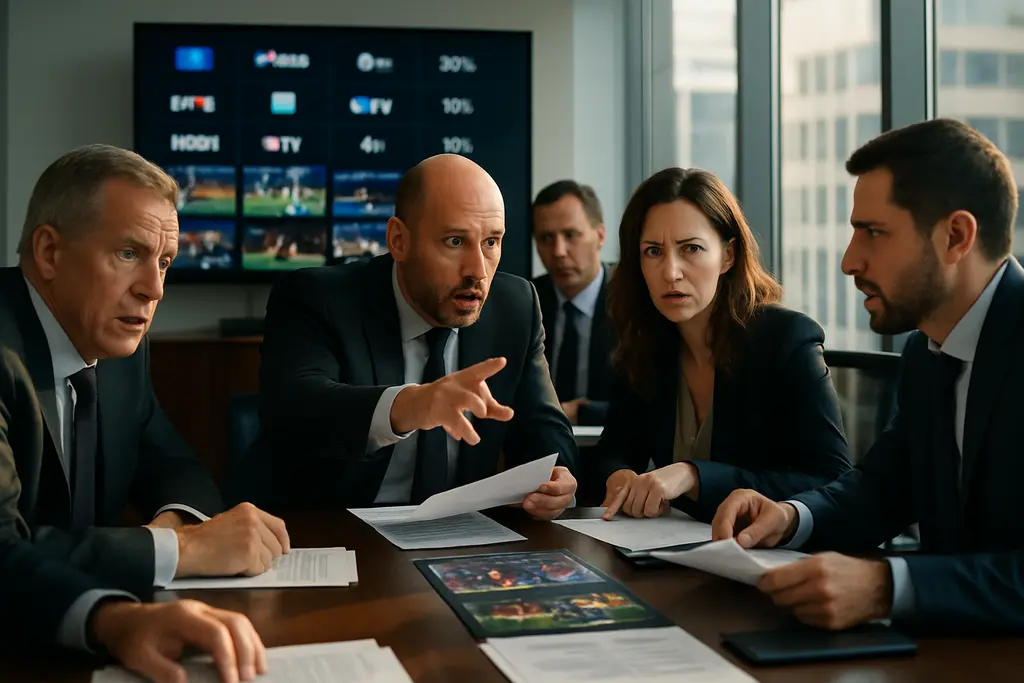
Confirmed: The FCC described how NFL distribution had already spread across many outlets by 2025. Its filing said NFL games appeared on 10 different TV or streaming services, estimated that watching every NFL game in the 2025 season could cost consumers more than $1,500 if they subscribed to all required services, and identified 20 regular-season games plus one playoff game that were exclusive to Amazon Prime Video, YouTube, Peacock, and Netflix in the FCC filing.
Market-analysis: That matters because sports fandom is rarely casual in the same way as sampling a drama series. Many viewers follow teams, fantasy lineups, family rituals, or local traditions. A fragmented model asks those viewers to behave like subscription managers. The result can be frustration even when the production quality is strong and the technology works.
Choice And Cost Are Now Linked
Opinion: SACA can credibly argue that streamers have widened the pool of companies willing to pay for and present live games. That can produce new commentary options, alternate feeds, and other formats that linear television may not have offered as quickly. The harder question is whether those benefits offset the cost of scattered exclusivity.
Market-analysis: For entertainment viewers, the same pattern has appeared in scripted and reality TV: rights split, libraries move, and fans reconsider what a service is worth. TrueRealTV has tracked that pressure in related coverage of how a streaming coalition tests sports TV power. Sports intensify the issue because timing matters. A sitcom can be watched later. A live game loses cultural force once the result is known.
How Rights Money Pressures Distribution
Leagues Have More Buyers
Confirmed: The research states that the NFL now has deals across Disney’s ESPN and ABC, Paramount’s CBS and Paramount+, Fox, NBC and Peacock, NFL Network, Amazon, Google’s YouTube, and Netflix. It also says the NFL stands to bring in more than $100 billion in rights fees over the life of those agreements. That scale explains why leagues have strong incentives to keep auctioning packages across broadcast, cable, and streaming.
Market-analysis: SACA’s preferred policy outcome would likely preserve this buyer competition. Streamers want rules that do not treat internet distribution as inherently more suspect than cable or broadcast. Leagues want the largest possible market for rights. Viewers want fair access. The unresolved tension is that the same competitive bidding that increases league revenue can also split the viewing map.
Sports As A Retention Tool
Market-analysis: Sports are especially valuable to streamers because they push people to subscribe on a deadline. A new series can wait. A live game cannot. That urgency makes sports rights useful for platforms trying to reduce cancellation cycles and create weekly habits. It also gives platforms a cultural status that scripted catalogs alone may not provide.
Opinion: The effect is not limited to die-hard fans. Families, bars, travelers, and casual viewers all feel the shift when a game changes distribution. For readers interested in related audience-focused coverage, Pilot Pointer provides insights within the same network.
Regulatory Pressure Around Streaming Deals

The Antitrust Question
Confirmed: The U.S. Department of Justice opened an antitrust investigation in April 2026 into whether the NFL’s media rights deals violated the Sports Broadcasting Act of 1961, with special attention to the streaming-centered model, according to The Washington Post.
Confirmed: The research also states that the House Judiciary Committee released a June 8, 2026 report titled “The Sports Broadcasting Act: A Special-Interest Antitrust Exemption Gone Awry,” arguing that the NFL had stretched the law beyond its original intent in ways that could harm consumers. That does not settle the legal question, but it shows that the debate had moved into formal oversight before SACA launched.
The Old Law Meets Streaming
Market-analysis: The Sports Broadcasting Act was created for a different media structure. The research frames the present dispute around whether a law built around broadcast-era assumptions can still govern a market where leagues divide rights among networks, cable channels, and global technology platforms. SACA’s formation suggests the streamers believe that legal interpretation and future policy could shape their ability to keep buying premium sports packages.
Opinion: Regulators face a difficult audience question. Blocking or limiting streaming deals could protect some viewers from fragmentation, but it could also reduce new presentation models and new bidders. Allowing unlimited exclusivity could support rights growth, but it risks making major sports feel less publicly accessible. Neither answer is clean.
What SACA Sports Rights Means For Viewers
A Viewer-Centered Reading
Market-analysis: The most useful way to read SACA Sports Rights is as a signal that the next phase of sports television will be fought in policy rooms as much as in rights auctions. Netflix, Amazon, and YouTube are not only buying attention. They are arguing that internet distribution should be treated as a legitimate home for major sports, not as a threat by default.
Opinion: Viewers should judge the outcome less by corporate promises and more by access. Are games easy to find? Are costs predictable? Do exclusive packages serve fans, or do they mainly extract more value from loyalty? Those questions matter because sports are cultural events as well as media assets.
The Cultural Signal
Market-analysis: SACA Sports Rights also points to a broader shift in entertainment economics. Streamers once chased prestige dramas, reality franchises, and film catalogs to define their brands. Sports now give them something those categories struggle to provide: shared live attention at scale. That is why the regulatory debate deserves close attention from film and television audiences, not only sports fans.
Opinion: The formation of SACA does not prove that streaming will improve or harm sports access on its own. It proves that the companies most invested in sports streaming want a direct voice in the rules. For viewers, the stakes are practical and cultural: the future of live sports may offer more technical choice while asking households to work harder, and pay more, to keep the shared viewing rituals they already had.