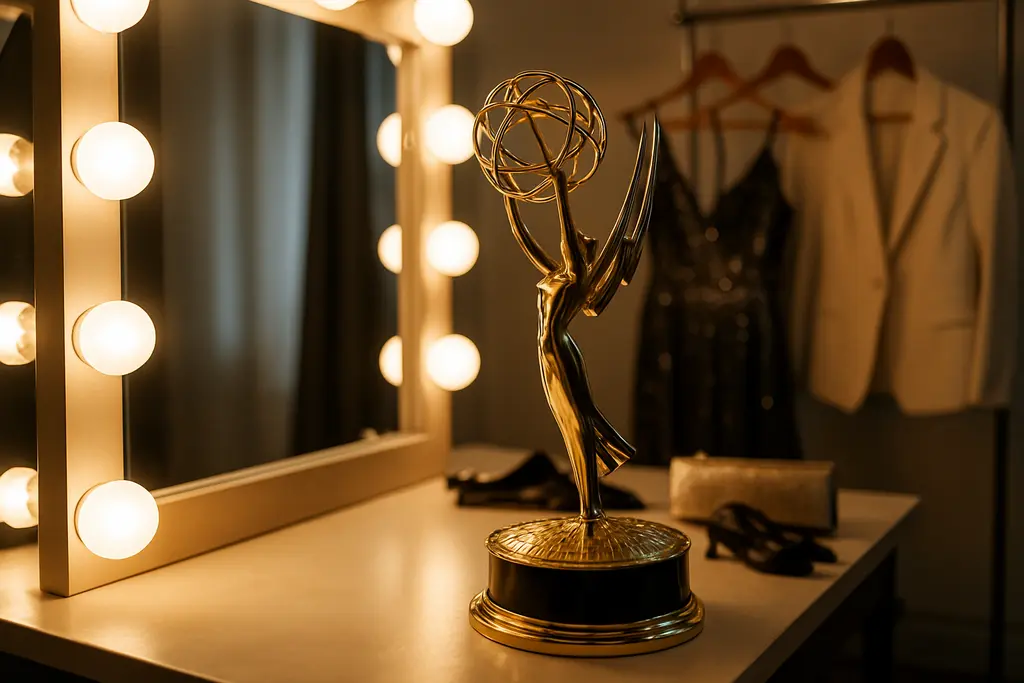

Confirmed: Emmy Awards Streaming has moved from a long-running broadcast rotation to Prime Video under a six-year agreement announced on October 6, 2026. Beginning in September 2027, Prime Video is scheduled to become the exclusive global home of the Emmy Awards, with the ceremony available live and free to view globally, without a paywall. The Television Academy and Prime Video also said the reach covers more than 240 countries and territories in their Prime Video announcement.
That makes the deal more than an awards-show rights story. It is a clear distribution marker for prestige television itself: the event honoring TV is leaving the traditional U.S. broadcast rotation and moving to a global streaming platform. The cultural signal is difficult to miss, even if the business terms remain undisclosed in the confirmed announcement.
Why Emmy Awards Streaming Moves Beyond Broadcast Rotation
What Ended With The Wheel Deal
Confirmed: The prior arrangement, commonly known as the wheel deal, rotated the Emmy Awards among ABC, CBS, FOX, and NBC. That structure concluded with the 2026 ceremony, which aired on NBC. Starting in 2027, Prime Video takes over as the exclusive global home for six years.
The end of that rotation matters because awards telecasts have long served as prestige anchors for broadcast networks. Even as entertainment viewing fragmented, live ceremonies gave networks a reason to gather advertisers, talent, and viewers around a single timed event. The Emmys were not only a trophy show; they were also a recurring reminder that broadcast television still had a central place in the cultural calendar.
Market-analysis: The new agreement changes that symbolism. Emmy Awards Streaming places one of television’s defining institutions inside the same distribution model that has already reshaped how many viewers find scripted series, reality competitions, documentaries, and live sports. Prime Video is not simply renting a ceremony; it is positioning itself as a global venue for the industry’s self-recognition.
Why Global Free Access Changes The Pitch
Confirmed: The Television Academy and Prime Video said the ceremony will be free to view globally and will not sit behind a paywall. That point is central because live awards shows rely on scale, shared timing, and public access. If the move had required a standard subscription barrier for every viewer, the cultural argument would be harder to make.
Free global access also reframes what an awards telecast can be. Under the broadcast model, the Emmys were primarily a U.S. network event with international awareness. Under the Prime Video agreement, the event is being presented from the start as a worldwide live stream. That does not guarantee equal attention in every country, but it does give the Television Academy a wider distribution base than the prior network rotation offered.
How The Prime Video Deal Fits Viewing Behavior
The Ad-Supported TV Context
Confirmed: Nielsen reported that ad-supported television accounted for 71.5% of all U.S. TV viewing in the second quarter of 2026. Within that ad-supported category, streaming held a 48.2% share, cable held 25.2%, and broadcast networks rose to 26.6%, aided by major live sports events, according to Nielsen’s Q2 2026 gauge.
Those figures help explain why a live awards property would be attractive to a streamer. Streaming has gained scale, but live events still carry a different kind of value. They create appointment viewing, real-time conversation, advertising inventory, and cultural visibility that on-demand catalogs do not always produce. Broadcast benefited from live sports in Nielsen’s Q2 report; Prime Video is now applying a similar live-event logic to the most prominent annual awards show devoted to television.
Market-analysis: Emmy Awards Streaming also fits the wider shift covered in our earlier analysis of how streaming viewership changed TV economics. The key issue is not only where viewers spend time. It is how platforms convert that time into loyalty, advertising value, and repeat behavior.
Why Awards Shows Are Different From Catalog Titles
A scripted series can build audience gradually. A reality franchise can spread across seasons and spinoffs. A live awards show is more perishable. Its value is tied to timing, ceremony, winners, speeches, red-carpet attention, industry politics, and the next-morning conversation. That makes distribution riskier but potentially more valuable for a platform seeking cultural presence.
Opinion: The Emmys are especially symbolic because the awards celebrate television at a moment when the definition of television has stretched across broadcast, cable, streaming, and social viewing habits. Moving the ceremony to Prime Video does not erase broadcast history. It does, however, acknowledge where much of the industry’s growth and experimentation has moved.
What Prime Video Gains From A Live Prestige Event
A Global Event With Industry Legitimacy
Market-analysis: Prime Video gains a live event that carries built-in status. The Emmys are not a new format that needs to prove its cultural meaning from scratch. The ceremony already has industry recognition, talent participation, and annual media attention. For Prime Video, the task is not inventing prestige; it is distributing it at scale.
The global reach claim is also central. Prime Video’s availability across more than 240 countries and territories lets the ceremony be framed as a worldwide television event, not just a U.S. telecast exported after the fact. That matters for a business in which hit series and formats increasingly travel across borders, while awards attention can shape how viewers perceive platforms, creators, and performers.
There is also a brand effect. A platform that hosts the Emmys gains proximity to the television industry’s most visible annual honors. That association may help Prime Video reinforce its identity as more than a subscription catalog. It becomes a distributor of live cultural events, sitting closer to the role once occupied by major networks.
The Advertising And Access Tension
Confirmed: The public announcement states that the ceremony will be free to view globally. It does not provide detailed rights-fee terms or a full advertising model. That leaves some uncertainty around how Prime Video will package inventory, sponsorship, and promotion around the show.
Market-analysis: The tension is clear. If the Emmys are free, Prime Video can reduce friction and preserve public access. If the event carries major advertising and promotional opportunities, Amazon can treat it as a high-profile showcase for its video business. The balance between open access and platform strategy will shape how viewers experience the ceremony in 2027.
For readers who follow distribution strategy across screen industries and adjacent media businesses, PilotPointer offers insights on shifts in how platforms present access, events, and audience reach.
Audience Effects Of Moving The Emmys Online
What Viewers May Notice First
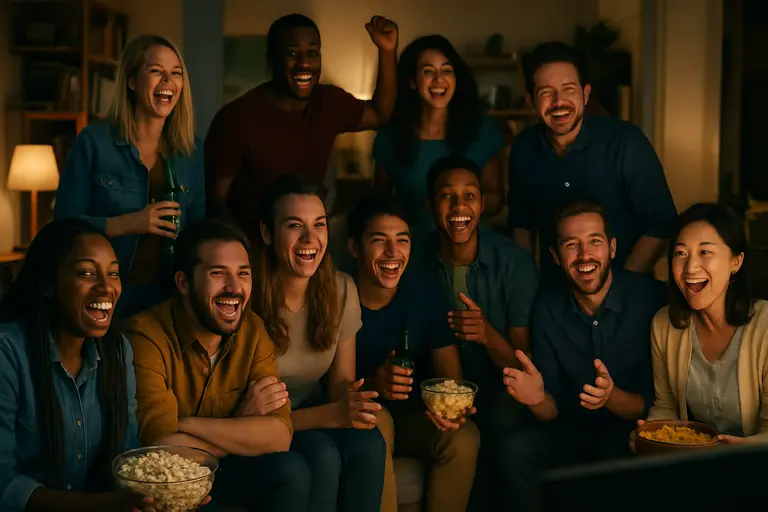
Market-analysis: The most immediate viewer-facing change is likely access behavior. A broadcast ceremony asks viewers to know the network, time, and local availability. A global Prime Video event asks viewers to locate the stream through a platform interface. That can reduce geographic barriers while introducing a different kind of friction for audiences less familiar with live streaming menus.
The free-to-view promise helps answer one major concern. Awards shows rely on broad public conversation, and a hard subscription wall could limit casual viewers. By avoiding a paywall, Prime Video and the Television Academy appear to be protecting the event’s public-facing identity while still moving it into a streaming environment.
Opinion: The larger cultural question is whether shared live viewing can feel as communal on a global streaming platform as it once did on broadcast television. Social media conversation may help, but the old network model had a simplicity that mattered: one channel, one night, one national audience. Streaming can widen access while scattering the rituals around how people arrive at the event.
Why The Ceremony Still Needs Broadcast Habits
Live events succeed when audiences remember they are happening. That sounds simple, but it is one of the biggest challenges in streaming. On-demand platforms train viewers to watch later. Awards ceremonies ask them to show up at a specific time. Prime Video’s success with the Emmys will depend not only on technology, but on promotion, reminders, interface placement, and the ability to make the night feel culturally unavoidable.
That is where old broadcast habits remain useful. Countdown marketing, presenter announcements, nominee packages, red-carpet framing, and post-show coverage all help turn a ceremony into an event. The platform may be new, but the audience psychology is not.
The Impact Of Amazon Prime Video Hosting The Emmy Awards
Market-analysis: The Amazon Prime Video deal is a turning point because it moves a legacy television institution into a distribution model built for global streaming scale. Emmy Awards Streaming does not simply follow audience behavior; it helps legitimize streaming as the home for live prestige events, not only on-demand entertainment.
The shift also says something about power in the TV business. Broadcast networks once served as the default gathering place for the industry’s biggest nights. Streaming platforms now have the scale, money, and interface control to compete for that role. The Television Academy’s six-year agreement gives Prime Video time to build a new habit around the ceremony rather than treating the move as a one-off experiment.
Opinion: The risk is that the Emmys lose some of the easy visibility that came from broadcast familiarity. The opportunity is that the show reaches a wider global audience without charging viewers at the point of access. Those two realities can both be true.
For viewers, the practical question in September 2027 will be simple: does the ceremony feel easy to find, easy to watch, and culturally present? For the industry, the question is larger. If one of television’s most established awards shows can move to a global streamer while preserving public access, other live entertainment events will have a stronger reason to reassess where their audiences actually gather.