
Market-analysis: Streaming viewership moved from disruption story to television’s central measurement story after May 2025, when U.S. streaming services captured a larger share of TV usage than broadcast and cable combined. That shift matters less as a victory lap for apps and more as a sign that audience behavior, advertising strategy, and distribution power have already changed.
Confirmed: Nielsen reported that in May 2025 streaming accounted for 44.8% of total U.S. television usage, ahead of broadcast at 20.1% and cable at 24.1%, the first time streaming exceeded the combined total of the two older TV categories Nielsen milestone report. The number is useful because it measures television usage rather than merely subscriber counts. For the audience, that distinction is key: paying for a service is one thing; spending daily attention there is the stronger cultural signal.
Why Streaming Viewership Became The Main TV Story
Streaming Viewership And The May 2025 Break
Confirmed: The May 2025 Nielsen figure marked a clear break in TV history because streaming did not just challenge cable or broadcast separately. It surpassed their combined viewing share. That does not mean linear TV disappeared, and it does not mean every program category moved at the same speed. It does mean the old assumption that streaming sits beside traditional TV as a secondary option no longer fits the data.
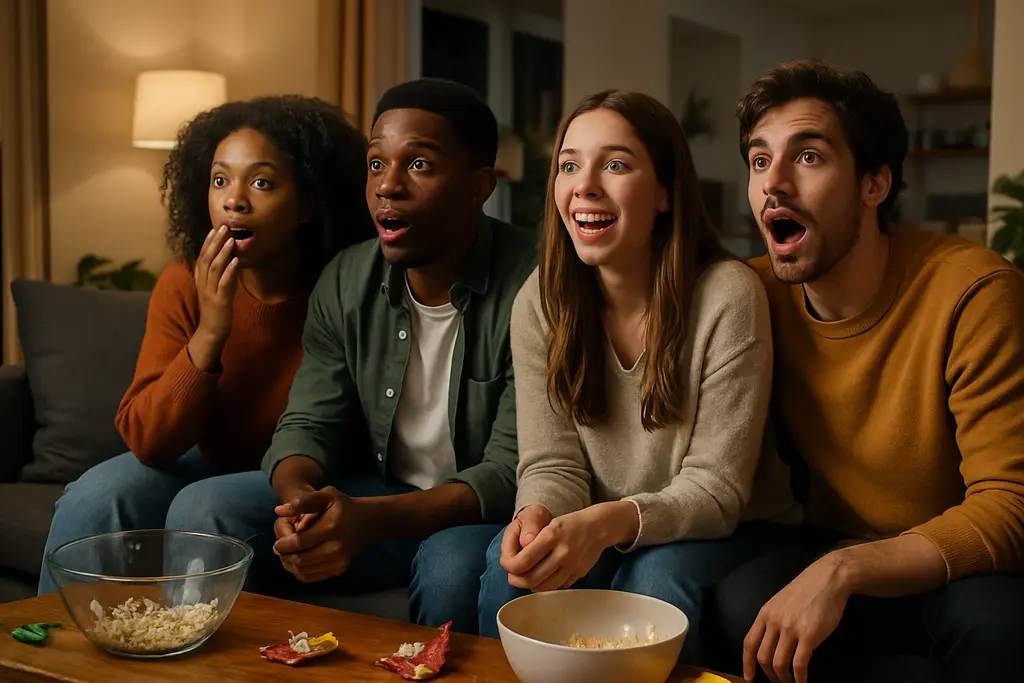
Market-analysis: The cultural change is easy to miss because viewers often experience it as convenience rather than industry change. A household opens a TV interface, selects YouTube, Netflix, Hulu, Peacock, Tubi, or another app, and treats that choice as normal. Across millions of homes, that normal behavior alters what gets commissioned, how rights are priced, and where advertisers place budgets.
Why Platform Mix Matters More Than App Count
Confirmed: Nielsen’s May 2025 data also showed that YouTube alone represented 12.5% of all U.S. TV viewing, the largest share for any individual streaming service. Free ad-supported services such as Pluto TV, The Roku Channel, and Tubi together accounted for 5.7% of U.S. TV viewership. That mix complicates the idea that premium subscription services alone define the streaming market.
Market-analysis: Streaming viewership is now split across paid subscriptions, free ad-supported services, creator-led video, studio libraries, sports rights, news clips, and comfort viewing. The result is a less centralized TV culture. A prestige drama can still become a shared event, but much of the audience day is built from smaller decisions: a creator channel during lunch, a FAST channel after work, a subscription drama at night, and short-form discovery feeding longer viewing later.
Opinion: That pattern favors platforms with both scale and habit. The winning service is not always the one with the most acclaimed show in a given week. It may be the one viewers open without thinking.
Ads, Subscriptions, And Loyalty Pressure
Ad Tiers Are No Longer A Side Lane
Market-analysis: The rise of ad-supported streaming changes how the industry defines success. For years, subscriber growth carried the conversation. By 2026, the more telling question is whether a platform can keep viewers active long enough to sell attention efficiently. Ad tiers, free channels, and hybrid packages make that attention measurable in ways closer to television’s older advertising model, but with app-level targeting and different expectations from viewers.
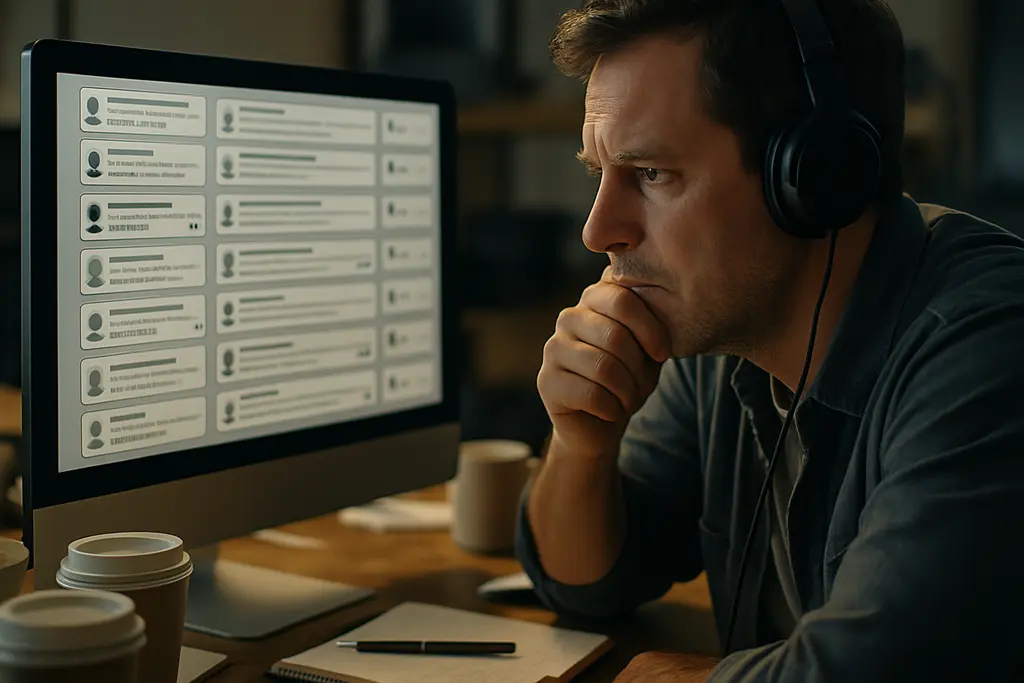
That shift also explains why measurement has become a high-stakes topic for sellers and buyers. A related TrueRealTV analysis of Nielsen methodology and streaming ads looked at how changes in measurement can affect buyer confidence, co-viewing value, and audience pricing. The broader point remains: as ad dollars follow attention, the industry needs numbers that advertisers trust and viewers can recognize as reflecting real behavior.
Loyalty Is The Hard Part
Confirmed: Morgan Stanley reported in July 2026 that U.S. households subscribe to an average of 5.4 streaming services, up from 4.9 in 2025, and spend about three hours per day watching streaming content Morgan Stanley streaming trends. The larger subscription stack shows that households have not settled on one replacement for cable. They have built their own bundle, service by service.
Market-analysis: This is where streaming viewership becomes both valuable and fragile. A household with several subscriptions may look loyal from the outside, but each app still has to justify its place. Price increases, weaker release calendars, confusing interfaces, and limited library depth can push viewers to rotate services. The audience has learned to treat subscriptions as flexible, not permanent.
Opinion: For studios, that puts pressure on programming strategy. One expensive flagship series can bring attention, but it may not hold the account for a full year. Reality formats, sports-adjacent programming, familiar library titles, creator content, and steady weekly releases can all serve retention in different ways. The market is not only rewarding spectacle. It is rewarding frequency, comfort, and habit.
What The Shift Means For Creators And Networks

Rights Value Is Moving With Attention
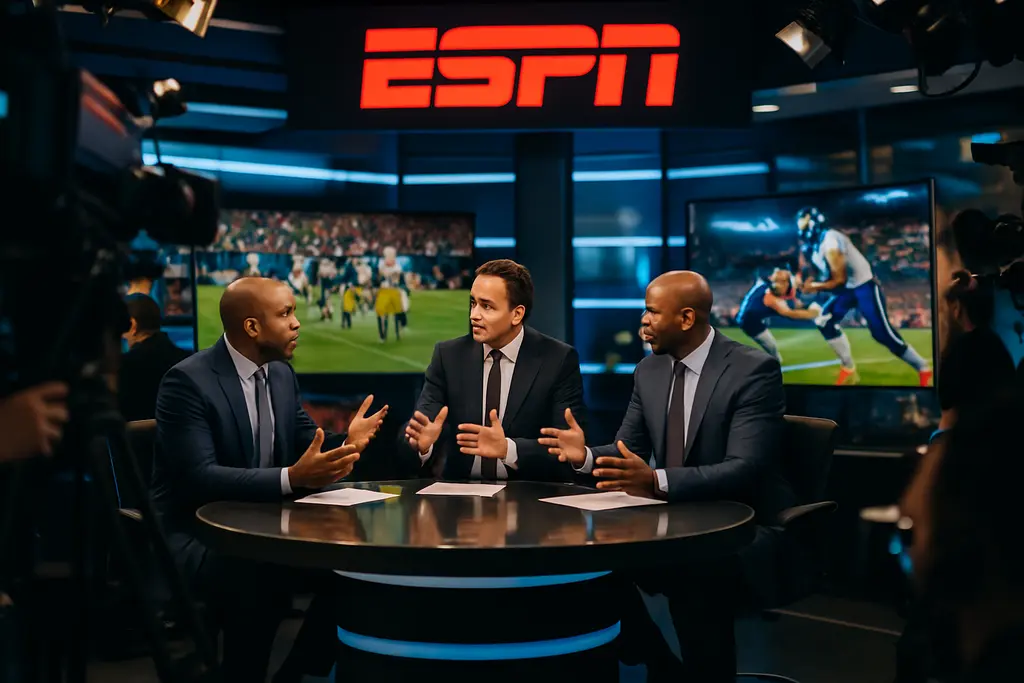
Market-analysis: As viewing shifts, rights value follows. Catalog shows that once served as cable filler can become key retention tools. Live sports remain a powerful reason for many viewers to keep traditional packages, based on the research provided, but streaming platforms have treated sports and live events as ways to recreate appointment viewing. The strategy is not simply about acquiring content; it is about acquiring routines.
That matters for creators as well. A series that performs moderately on a traditional schedule may find a longer life on a streaming menu if it supports repeat viewing or appeals to a defined audience segment. At the same time, streaming can bury shows quickly if promotion fades or if recommendation systems fail to surface them. For readers interested in how screen storytelling is analyzed beyond ratings, Noir Whale explores these aspects on a related site within the same network.
Audience Choice Is Cultural Power
Market-analysis: The audience has gained more control, but not always more clarity. Viewers can choose from more services and formats, yet they also face fragmented rights, shifting libraries, and competing subscription costs. This creates a paradox: TV has become more available and more scattered at the same time.
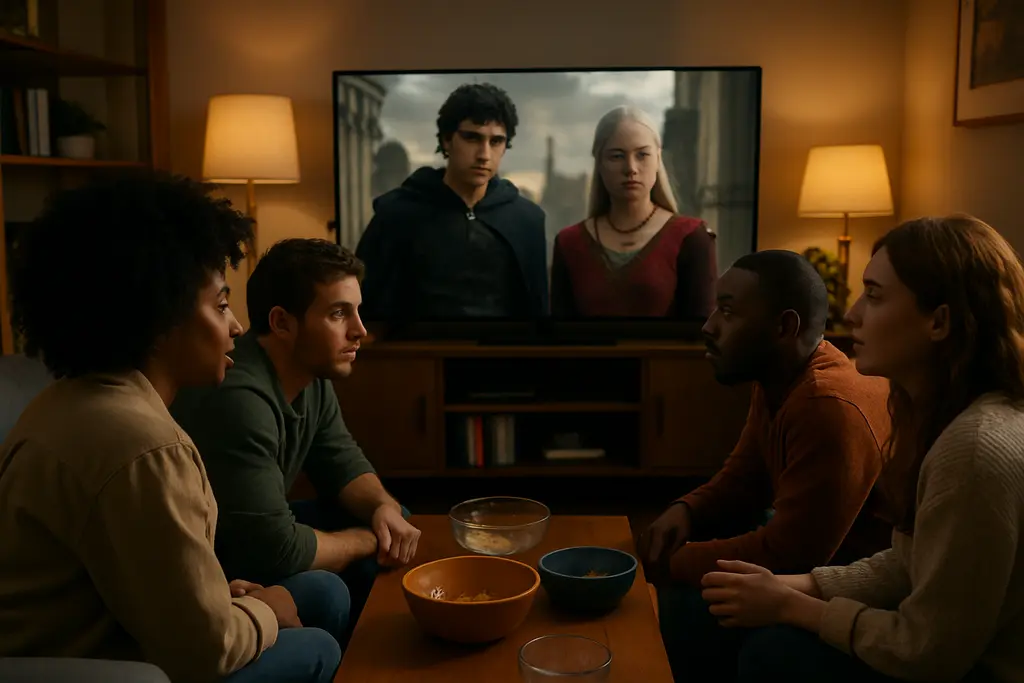
Opinion: The cultural effect is uneven. Younger viewers who grew up with app-based viewing may see broadcast and cable as optional background systems. Older viewers may keep familiar linear habits while using streaming for select programs. Families often blend both. The industry should resist treating the audience as one block, because the data points to a mixed market rather than a single replacement cycle.
- Confirmed: Streaming passed broadcast and cable combined in U.S. TV usage in May 2025, according to Nielsen.
- Confirmed: YouTube held the largest individual streaming share in that same Nielsen period.
- Confirmed: Morgan Stanley reported rising average household subscriptions and roughly three daily hours of streaming use in July 2026.
- Market-analysis: The next competitive fight is less about access to streaming and more about loyalty, measurement, and repeat behavior.
What Streaming Viewership Means For TV Culture
Market-analysis: Streaming viewership has already reshaped the business side of television, but its cultural impact is just as significant. The shared national schedule has weakened. Audiences now build personal schedules from platform menus, creator feeds, live events, and free channels. That gives viewers more agency, yet it also makes common cultural reference points harder to sustain.
Opinion: The best way to read this moment is not as the death of television, but as a change in what television means. TV is no longer defined mainly by a channel lineup or a nightly grid. It is defined by attention across connected screens. The winners will be companies that respect viewer habits rather than simply chasing volume. The shows and platforms that endure will be the ones that make audiences feel their time is being used well, whether through event drama, live programming, comfort libraries, or ad-supported access that lowers the cost of participation.
Market-analysis: For the industry, the May 2025 threshold was not a finish line. It was evidence that the center of gravity had moved. The harder question now is whether platforms can turn that attention into durable trust without making viewers feel overcharged, overtracked, or overwhelmed by choice.