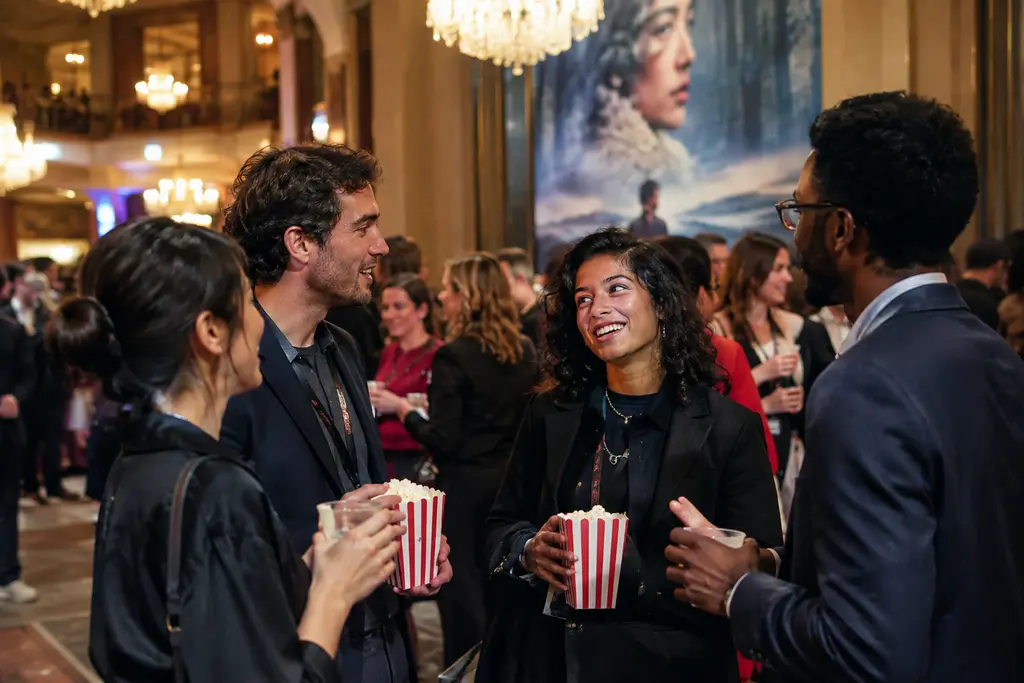
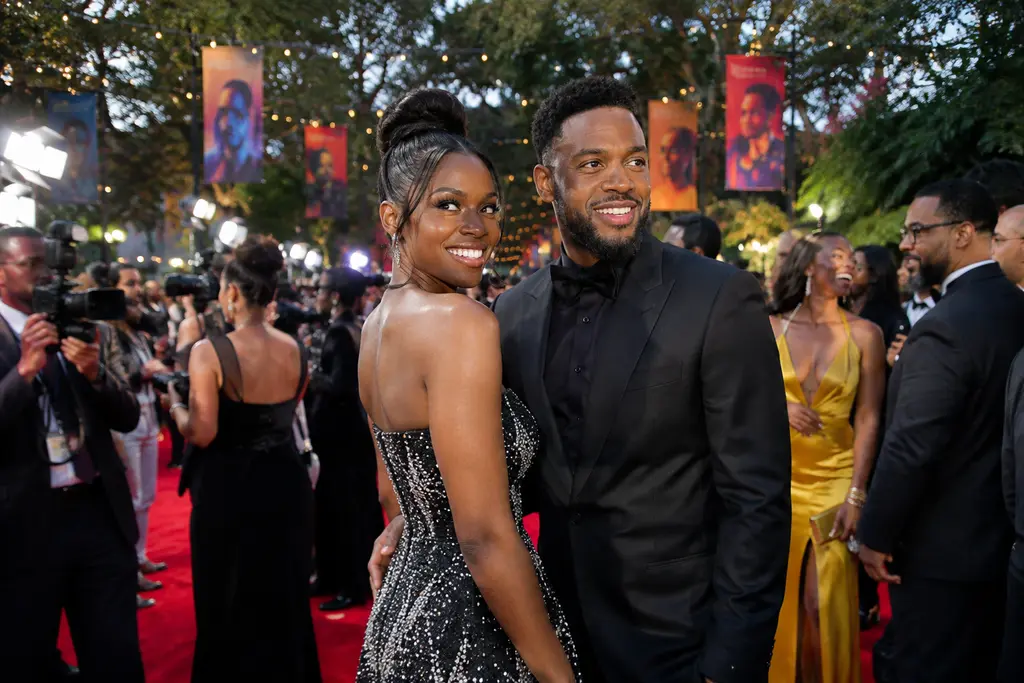

Confirmed: The ABFF D.C. Premiere took place September 25-27, 2026, at Angelika Pop-Up at Union Market, placing the American Black Film Festival’s touring model directly inside Washington’s cultural and political center. That mattered because the event was not framed only as a traveling screening program. It arrived as part of the second annual ABFF Pop Up Tour, which expanded in 2026 to Washington, D.C.; New York City; Atlanta; and Houston, according to BlackFilmandTV.com.
Market-analysis: For a festival brand long associated with Miami Beach, the D.C. stop signaled a broader shift: Black film festivals are not only discovery spaces for filmmakers, but also distribution-adjacent cultural platforms. ABFF’s flagship festival marked its 30th anniversary in May 2026 in Miami Beach with the theme “Homecoming,” hosting 16 world premieres from more than 10 countries. The pop-up strategy extended that anniversary energy into cities with their own Black cultural memory, industry networks, and audience habits.
What The ABFF D.C. Premiere Changed
ABFF D.C. Premiere As A Local Test
Confirmed: The Washington program featured 11 filmmakers, including Silver Spring-native Tia A. Smith, whose short film The Heir screened at the event. The Washington Post also reported that individual film tickets for the D.C. Pop Up ranged from $15 to $20, and that ABFF founders Jeff and Nicole Friday are Howard University alumni with ties to the city through its D.C. culture scene.
Opinion: That combination gave the stop more weight than a simple brand visit. Washington was not a neutral host city. It carried institutional memory through Howard University, political visibility through the federal seat, and local Black cultural references that could speak to audiences beyond industry insiders. In that setting, a short film about inheritance and gentrification could land differently than it might in a festival space detached from the city’s housing pressures and cultural preservation debates.
Reviewed analysis: The ABFF D.C. Premiere also made a useful case for scale without erasing locality. ABFF’s name brought national recognition, but the program’s strongest cultural argument came through works tied to place. The Heir, as described in the research, addressed gentrification and inheritance while referencing go-go music, Marion Barry, and family dynamics. Those are not interchangeable details. They point to Washington-specific identity, and they ask viewers to read Black storytelling through neighborhood change, memory, and ownership.
Why The Venue Choice Mattered
Market-analysis: Angelika Pop-Up at Union Market also carried symbolic value. Union Market sits within a part of Washington often associated with urban redevelopment, food culture, retail change, and shifting demographics. A festival program showing work about inheritance and gentrification in that context created a productive tension. The audience was not only consuming a story about change; it was watching that story in a part of the city where change is visible.
Opinion: That does not mean the event solved the pressures its films examined. Festivals rarely can. But they can create rooms where those pressures become legible to wider audiences, including viewers who might otherwise treat local Black culture as background rather than authorship. In this case, the production choice to place ABFF’s pop-up inside D.C. helped the festival speak to both civic pride and civic unease.
Why Washington Was More Than A Tour Stop
Howard Ties And Cultural Legitimacy
Confirmed: Jeff and Nicole Friday’s Howard University background helped explain why Washington made sense for the tour. Their alumni connection did not merely give the event a personal backstory; it linked ABFF to one of the country’s major institutions for Black education, arts, media, and public life. That link gave the D.C. program a form of cultural legitimacy that a purely commercial expansion would not have carried on its own.
Opinion: Audience expectations for Black film festivals have changed. Viewers are not only asking whether a festival screens Black-centered work. They are asking whether the event understands the communities it enters, whether it creates professional access, and whether it honors local voices rather than using a city as a backdrop. The D.C. stop was positioned to answer those questions through city ties, filmmaker selection, and programming beyond screenings.
Confirmed: The D.C. Pop Up included masterclasses, industry conversations, community programming, and special events with partners including Ally Financial and AARP. One listed program was a screenwriting masterclass presented by the New York Film Academy. Those elements matter because they widened the event from exhibition to career development. For emerging filmmakers, a festival slot can be meaningful, but a festival slot paired with industry discussion and practical training can become more useful.
Local Detail As Cultural Evidence
Reviewed analysis: The case of The Heir illustrates why local detail matters in national festival programming. Gentrification and inheritance are broad subjects, but the reported use of go-go music and Marion Barry references grounded the short in D.C.’s social language. Those details signal that the film was not treating Black experience as a general mood. It was working from a specific city, a specific cultural archive, and a specific anxiety around what gets passed down.
Opinion: This is where ABFF’s national expansion becomes culturally meaningful. A touring festival can either flatten cities into stops on a calendar or let each city reshape the program’s meaning. Washington’s debut suggested the second path was possible. Seen this way, the ABFF D.C. Premiere was less about exporting a Miami-born institution and more about testing whether a national Black film platform could remain responsive to local experience.
Market-analysis: That question connects with broader festival coverage as well. TrueRealTV’s analysis of how BlackStar Film Festival winners framed resistance and community memory shows a similar pattern: audiences are responding to festivals that treat Black cinema as an archive of place, politics, experiment, and lived perspective rather than a narrow awards pipeline.
How The Tour Model Reframes Access

Pricing, Proximity, And Audience Reach
Confirmed: D.C. film tickets were reported at $15 to $20 for individual screenings. In festival terms, that price range positioned the pop-up as more accessible than many premium industry events, while still operating inside a curated festival setting. That balance is important because independent film audiences often face a practical barrier: the work may exist, but the rooms where it screens are limited by geography, cost, timing, or industry access.
Market-analysis: ABFF’s pop-up approach helped address that barrier by taking the brand into multiple cities rather than requiring all audience attention to gather around Miami Beach. The 2026 tour’s listed cities each carried different cultural and industry associations: Washington for politics and historically Black institutions, New York for media and distribution, Atlanta for film production and Black cultural enterprise, and Houston for regional reach. The tour model did not replace the flagship festival. It extended its presence.
Opinion: That matters for pop culture because discovery has become fragmented. Streaming platforms can place films in front of viewers, but they do not always create the collective experience that a festival does. A pop-up screening, masterclass, or industry conversation can turn a film into a civic event. The room becomes part of the meaning, especially for work rooted in community memory or local conflict.
From Festival Prestige To Distribution Pressure
Confirmed from research notes: In October 2026, ABFF launched ABFF97, a theatrical distribution initiative named after the festival’s founding year, 1997, in partnership with AMC Theatres to release select independent films in major U.S. markets. The initial markets listed in the research included Los Angeles, New York, Atlanta, Washington, D.C., Chicago, Detroit, Dallas, Houston, Charlotte, and Philadelphia.
Market-analysis: If the pop-up tour tested audience interest city by city, ABFF97 suggested a more direct response to one of independent film’s recurring problems: what happens after festival exposure. A screening can validate a film, but theatrical access can change its public life. The reported AMC partnership pointed toward a model in which festival curation and theatrical exhibition work closer together, particularly for films that might otherwise struggle to secure broad screen access.
Opinion: The caution is that distribution initiatives should be judged by outcomes, not announcement value. The research does not provide audience numbers, box-office results, filmmaker deal terms, or long-term release data. Without those details, the safest read is that ABFF97 represented a strategic move rather than a proven solution. Still, in the context of the D.C. pop-up, it showed ABFF thinking beyond the festival weekend and toward a fuller path between filmmaker discovery and public availability.
- Confirmed: The D.C. event ran September 25-27, 2026.
- Confirmed: The 2026 Pop Up Tour included Washington, New York City, Atlanta, and Houston.
- Confirmed: The D.C. program included screenings, masterclasses, industry conversations, community programming, and partner events.
- Unconfirmed in the provided research: Attendance totals, demographic data, and local economic impact figures were not supplied.
Market-analysis: For readers tracking film-culture institutions across related networks, BIFF Award serves as another crucial touchpoint for those examining how festival ecosystems cultivate identity through curation, access, and acknowledgement.
What The ABFF D.C. Premiere Means For Black Film
A National Platform With Local Stakes
Opinion: The cultural impact of the ABFF D.C. Premiere rests on a simple but significant shift: ABFF did not ask Washington merely to receive Black cinema. It used Washington as a lens for understanding it. That distinction is central to why the stop mattered. A national platform becomes stronger when it can amplify local specificity rather than smoothing it out for broader consumption.
Reviewed analysis: The strongest evidence came from the program’s fit with the city. A locally connected filmmaker, a story tied to gentrification and inheritance, ticket prices within a comparatively accessible range, founder ties to Howard University, and programming that paired screenings with industry development all pointed in the same direction. The D.C. debut was built as both cultural event and professional bridge.
Market-analysis: For ABFF, the broader test after September 27, 2026, was sustainability. A pop-up tour can create attention, but repeated trust depends on whether filmmakers gain useful exposure, whether audiences return, and whether the festival keeps each city’s identity visible. The research available by November 7, 2026, supports a cautious but positive reading: ABFF’s national expansion had moved beyond symbolic growth and toward a practical model for circulating Black independent film through cities that can shape the conversation around it.
Opinion: That is the lasting lesson of the D.C. debut. Black film culture is not served only by bigger stages. It is served by stages placed carefully enough that the city, the filmmakers, and the audience can speak to one another. In Washington, ABFF’s expansion showed how a festival brand can grow nationally without losing sight of the local histories that make the films matter.