
Crystal Lake made the Peacock binge release feel less like a technical scheduling choice and more like a cultural statement about horror fandom. The Friday the 13th prequel series, produced by A24 and created by Brad Caleb Kane, premiered on Peacock with all eight episodes released on October 15, 2026, according to NBCUniversal’s official announcement. Confirmed: the timing placed the show in the middle of Halloween viewing season, giving audiences just over two weeks before October 31 to sample, finish, debate, or move past the season.
That release model matters because horror fandom often thrives on anticipation. A slasher prequel is not only a story delivery system; it is a conversation engine. Viewers compare lore, question motives, measure new characters against old mythology, and test whether a franchise revival respects the emotional memory attached to earlier films. Peacock’s release guide positioned the series as a full-season Halloween-season event, which fits the streamer’s need for a quick seasonal impact. Market-analysis: the trade-off is that speed can compress the very fan behavior that makes legacy horror last.
Why The Peacock binge release Worked For Halloween
The Seasonal Window Was Clear
Confirmed: Crystal Lake arrived on October 15, 2026, close enough to Halloween to benefit from horror’s annual surge in casual and devoted viewing. That date gave Peacock an obvious programming hook. The service did not have to persuade audiences that October was the right time for a Friday the 13th prequel. The calendar did part of the work.
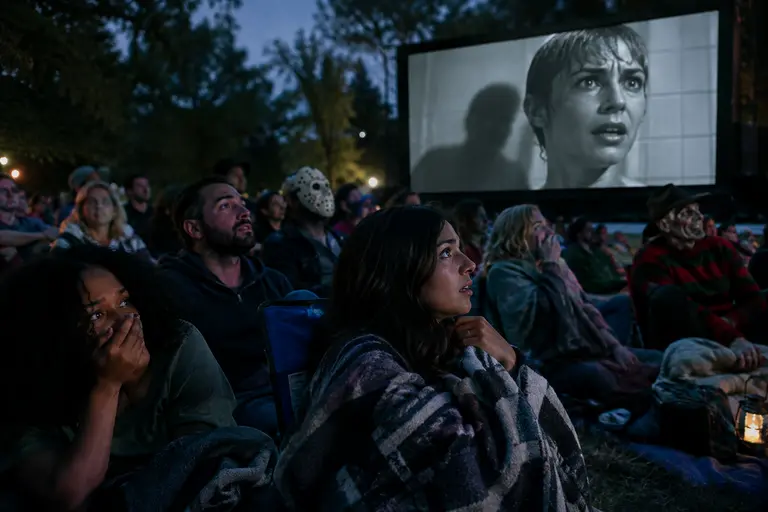
Market-analysis: this is where the Peacock binge release had its strongest logic. Horror can reward immersion. A viewer can move from character setup to escalation to payoff without waiting a week for the next piece. For a franchise tied to campfire memory, masked terror, and family trauma, uninterrupted viewing can intensify mood. The binge format also fit a limited seasonal window: the show could land, spread quickly through horror circles, and become part of Halloween viewing lists before October 31.
The Peacock binge release And Horror Rhythm
The Peacock binge release also gave the series a cleaner first impression. Instead of asking viewers to judge the prequel on a pilot alone, Peacock allowed the full arc to stand together. Opinion: that can help a show carrying franchise pressure, because early episodes in prequel storytelling often carry exposition, mood-setting, and mythology repair. A full drop lets committed viewers see whether the season’s treatment of Pam Voorhees, grief, institutional distrust, and gendered tension adds enough new weight to familiar material.
Yet that same strength creates a problem. Horror rhythm is not only about what happens on screen. It is about what viewers do between scares. Weekly gaps give theories time to form. They let audiences argue over red herrings, character choices, and whether a legacy franchise is honoring or revising its roots. A full drop gives fans control, but it narrows the shared pause that often turns a series into a community ritual.
What Crystal Lake Changed About Horror Timing
Streaming Turned A Franchise Into A Short Cultural Burst
Confirmed: Crystal Lake was not a theatrical sequel and not a weekly cable-era horror event. It was a streaming prequel released as a complete eight-episode season. That distinction changes how the franchise enters public discussion. Instead of a single opening weekend or eight weeks of appointment viewing, Peacock created a concentrated window of attention.
Market-analysis: this model favors immediate completion. It is useful for viewers who dislike cliffhanger management or who want to assess the full creative direction before joining debate. It is also useful for a platform seeking fast seasonal usage. But cultural memory often needs repetition. A weekly schedule gives critics, podcasters, fan editors, and casual viewers multiple entry points. A full-season release gives everyone the same archive at once, then leaves the conversation to sort itself out at uneven speeds.
That uneven speed matters for a property such as Friday the 13th. Some viewers bring decades of franchise knowledge. Others know Jason Voorhees mostly as an icon. A prequel has to serve both groups. When every episode lands at once, lore-heavy fans can race ahead, while slower viewers risk encountering finale discourse before they have processed the premise. That is not a moral failure of the model; it is a structural cost.
What The Peacock binge release Cost Fandom
Shared Suspense Became Harder To Sustain
The Peacock binge release made completion easier, but it made synchronized suspense harder. Opinion: that is the central cultural cost. Slasher stories depend on fear, but franchise television also depends on delay. Delay lets a suspicious glance become a theory. It lets a character’s backstory become a weeklong debate. It lets viewers decide whether a new creative team has earned trust before the next episode answers them.
A binge model changes the social contract. Instead of “What happens next?” the dominant question becomes “Have you finished?” That question can shut people out. It turns conversation into spoiler management. It also shortens the life of smaller thematic discussions, including the show’s treatment of grief, sexism, and distrust in local institutions. Those ideas may still be visible, but a rapid release can push audiences toward plot resolution before theme has time to circulate.
This question is not unique to scripted horror. Streaming services across genres have been testing how release cadence affects audience behavior, retention, and cross-program discovery. TrueRealTV has examined similar platform logic in its analysis of Peacock reality strategy, where scheduling and audience habit shape how long a service stays culturally present after a launch. For genre viewers, the issue is sharper because fandom is part of the product’s afterlife.
Why Franchise Horror Now Carries Cultural Risk
Legacy IP Brings Memory And Pressure
Crystal Lake arrived as part of a broader streaming interest in recognizable horror properties. Confirmed from the supplied research: the series joined a moment in which classic horror material was being revived through prequels or reimaginings. Market-analysis: that strategy is appealing because known titles reduce discovery friction. A viewer who recognizes Friday the 13th may sample a prequel faster than an unknown slasher drama.
The risk is that horror fans do not treat legacy titles as neutral brands. They carry memories of first scares, favorite kills, disputed timelines, and arguments about what the franchise “means.” A prequel can deepen a myth, but it can also over-explain it. The more a series expands the psychology around Pam Voorhees or the social conditions around Crystal Lake, the more it invites viewers to judge whether explanation adds tragedy or weakens menace.
Reviewed-analysis from the research suggests that some critics saw the show engaging with deeper social themes while questioning how fully those ideas were explored. That response points to a larger tension in franchise horror television. Streaming length gives writers more room than a film, but the demand for binge momentum can still reward speed over reflection. A series may have eight episodes, yet if audiences consume them in one or two sittings, the cultural processing time can remain brief.
For readers curious about genre-centric discussions, Noir Whale provides related content within the same network.
What Crystal Lake Says About Peacock And Horror Culture
Crystal Lake shows why the binge-versus-weekly debate is not only a business argument. It is a cultural argument about how audiences share fear. The Peacock binge release gave Peacock a timely Halloween event, immediate viewer control, and a clear way to package all eight episodes as one seasonal drop. For many horror viewers, that likely felt efficient and satisfying.
But efficiency is not the same as durability. A weekly rollout might have created more space for suspicion, lore debate, and argument over the show’s modern themes. The full drop favored intensity over duration. That may be the right choice for a Halloween-season launch, but it also shows how streaming can turn a franchise with deep fan memory into a shorter, sharper burst of attention.
The cultural lesson is cautious rather than absolute. Binge releases can serve horror when mood and completion matter. Weekly releases can serve horror when suspense, theory, and community pacing matter. Crystal Lake sits between those needs. Its release strategy helped it arrive loudly, but the harder question is whether a fast seasonal impact can leave the same mark as a slower shared ritual. For Peacock, that question will shape how future genre series balance viewer freedom with the communal tension that horror has always used so well.