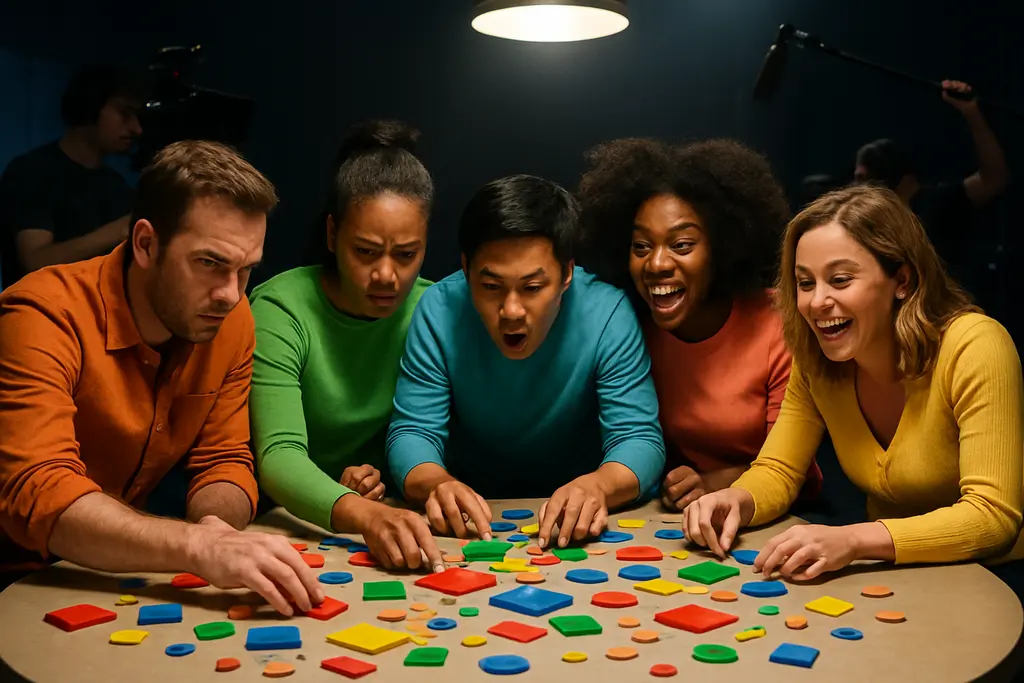
Televerse Reality Shows became one of the clearest signals from the August 14-16, 2026 festival that unscripted television was no longer being treated as disposable entertainment. The reality panels at Televerse 26 framed competition, confinement, celebrity, civilian casting, digital creators, and artificial intelligence as cultural questions about trust: who gets shown, who gets edited, who gets believed, and who benefits from being called “real.”
That framing matters because reality TV has often been discussed through two narrow lenses: guilty pleasure or ratings machine. The Televerse 26 programming suggested something more durable. The genre has become a public forum for debates about class access, professional visibility, family viewing, fandom labor, production ethics, and the uneasy line between performance and self-revelation. That does not mean every reality format carries the same cultural weight. It does mean the festival treated unscripted television as a site where audiences test what authenticity is supposed to mean in 2026.
Why Televerse Reality Shows Mattered In 2026
The Traitors And Civilian Casting
(Confirmed) During “The Traitors: FYC Presentation,” host Alan Cumming announced that starting in 2026 the show would run two seasons per year, with one season featuring only non-celebrity, civilian contestants, according to the Television Academy Day 1 account. That announcement was not just a scheduling detail. It pointed to a shift in how prestige reality franchises balance spectacle with relatability.
Celebrity seasons can sell recognition before the first episode begins. Civilian seasons ask viewers to invest in people without preexisting fame, which can make the social experiment feel less insulated from ordinary life. For Televerse Reality Shows, that distinction was culturally useful. It suggested that reality producers still see value in “unknown” participants at a time when influencer culture has blurred the line between public personality and private citizen.
(Market-analysis) The civilian turn also changes the moral contract with the audience. When celebrities enter a strategy show, viewers may assume they understand media performance. When non-celebrities enter, questions of casting, editing, online backlash, and aftercare become more visible. The promise of ordinary people can democratize the frame, but it can also expose participants to attention they may not be trained to absorb.
Big Brother And The Surveillance Format
(Confirmed) On August 16, 2026, Televerse marked Big Brother reaching its 1,000th episode with a panel that included host Julie Chen Moonves and producers Allison Grodner and Rich Meehan. The festival recap also revisited the show’s structure: contestants live in isolation under 24/7 surveillance for a multi-month competition and compete for a US$750,000 grand prize, as noted in the Televerse Day 3 recap.
The milestone carried a historical charge. Big Brother has lasted long enough for the public meaning of surveillance to change around it. Early reality TV often treated cameras as a novelty. By 2026, viewers live with phones, security cameras, feeds, platform metrics, and algorithmic attention as ordinary conditions. The show’s endurance suggests that surveillance reality has adapted by turning observation into a ritual: viewers judge strategy, intimacy, conflict, and social control as part of the same viewing experience.
(Opinion) The ethical tension remains unresolved. The format can create strong communal viewing because audiences feel they are watching behavior unfold under pressure. It also depends on confinement and visibility as entertainment devices. That combination keeps Big Brother culturally relevant, but it also keeps the show tied to debates about privacy, stress, and how much emotional exposure is acceptable in exchange for a prize.
Authenticity Became The Central Reality TV Question
Televerse Reality Shows And The New Authenticity Test
(Reviewed) Several Televerse 26 reality discussions circled the same issue: how much of reality TV needs to feel spontaneous for audiences to accept it as honest. The research notes show that Dancing with the Stars was discussed on August 14 in relation to its first Emmy nomination in a decade, reported Season 34 ratings growth across the season, and producer claims that moments on the show were “100% real.” The cultural significance is not that performance and authenticity are opposites. Reality competition often depends on both.
A dance contest is openly staged as performance, but the emotion around exhaustion, public scoring, embarrassment, pride, and partnership can still read as sincere. That is why reality TV’s authenticity debate is rarely simple. Viewers know production is present. They know editing shapes story. What they tend to reject is the feeling of being tricked about the emotional stakes. For Televerse Reality Shows, the key question was less “Is this untouched reality?” and more “Does the show respect the viewer’s ability to see the machinery?”
Casting, Zoom Auditions, And Representativeness
(Confirmed in research) The August 14 “The Reality of Reality TV” panel included figures such as Alfonso Ribeiro, Phil Keoghan, and BBC Studios executives, and covered casting changes from taped or phone auditions to live calls and Zoom. That production shift has cultural consequences. Remote casting can widen access for people outside traditional entertainment centers, but it can also favor applicants who understand camera presence, internet self-presentation, and the language of casting calls.
(Market-analysis) The festival’s attention to stunt-casting celebrities also showed an old reality TV tension in a newer form. Familiar faces can help a show break through, but too much reliance on fame can narrow the social imagination of the genre. The audience demand for “realness” often includes a demand for representation: race, class, gender, age, region, profession, and temperament. Casting is not only a production tool. It is one of the main ways unscripted television tells viewers who counts as interesting.
Digital Creators, AI, And Trust In Unscripted TV
Creator Platforms Extended The Genre
(Confirmed in research) On August 16, Televerse 26 hosted “New Nonfiction: How Digital Creators Are Shaping Unscripted Storytelling,” a panel that included creators such as the Try Guys and Janet Hsieh. The discussion, as summarized in the research notes, connected episodic online formats with audience community, brand identity, and authentic storytelling. That matters because reality TV is no longer defined only by network schedules or streamer menus.
Creator-led nonfiction often borrows reality TV’s grammar: recurring casts, personal stakes, confessional address, challenge structures, lifestyle arcs, and direct audience feedback. The difference is that the relationship between maker and audience can feel more continuous. Viewers do not only watch a season; they comment, share, remix, support, criticize, and follow the creator across platforms. That participation can build community, but it can also make boundaries between entertainment, identity, and commerce harder to read.
TrueRealTV has also examined how platform strategy affects unscripted viewing behavior in its analysis of Peacock reality strategy, especially the way younger and mobile audiences move between programs. That same viewing pattern helps explain why Televerse 26 treated digital nonfiction as part of the same conversation as legacy reality formats.
AI Disclosure Became A Cultural Trust Issue
(Confirmed in research) Audience attitudes toward artificial intelligence appeared in the Televerse 26 discussion with striking numbers: 82% awareness that AI is used in entertainment, 75% acceptance of AI in visual effects, under 30% approval of AI replacing writers or performers, and 84% wanting disclosure when AI shapes content. For reality TV, those numbers matter because the genre depends on trust in human presence.
(Opinion) AI assistance in editing, visual work, organization, or post-production does not automatically make a reality program deceptive. The cultural concern is disclosure. If viewers are asked to believe in emotional truth, they are likely to expect clarity about synthetic tools that may shape scenes, voices, images, or narrative emphasis. Reality TV has always been constructed. AI makes that construction more politically charged because it raises labor questions and can deepen suspicion about what is being presented as spontaneous.
Representation, Labor, And The Career Ladder
Top Chef And Professional Visibility
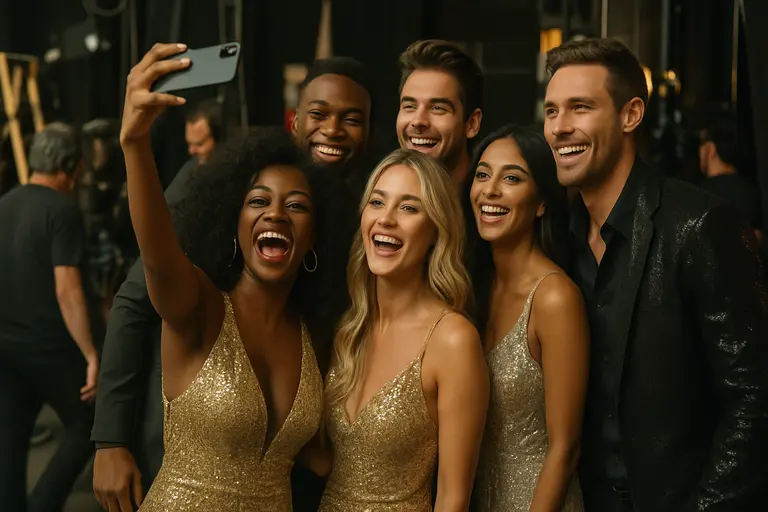
(Confirmed in research) During the Top Chef FYC presentation on August 14, host Kristen Kish reflected on 20 years of competition, with attention to representation of chefs from diverse backgrounds and to how her status as a former winner shaped her hosting through empathy and advocacy. That history shows how competition formats can work as career ladders, not only entertainment brackets.
Food competition, dance competition, and social strategy series all convert private skill into public identity. The effect can be positive when contestants gain recognition, industry access, and a wider audience. It can be more fraught when a person becomes fixed in a simplified edit. Televerse 26’s reality programming made that tradeoff visible: unscripted TV can create opportunity, but it also packages labor, personality, and identity for consumption.
For those interested in a deeper dive into screen culture dynamics, Noir Whale offers insights on how entertainment formats and audience interaction shape viewing experiences. This perspective is valuable as unscripted TV increasingly intersects with issues of celebrity, economy, and social discourse.
The Cultural Implications Of Reality Shows Featured At Televerse 26
Televerse 26 placed reality programming beside scripted legacy panels, including reunions tied to shows such as My So-Called Life and Band of Brothers, according to the research notes. That pairing matters. It suggested that television memory is no longer reserved for scripted drama. Reality shows now carry their own archives: milestone episodes, long-running hosts, former contestants, viral moments, format changes, and public arguments about fairness.
The cultural implications of the festival’s reality slate were clear but not simple. Civilian casting signaled a renewed interest in ordinary participants. Big Brother showed the endurance of surveillance entertainment. Dancing with the Stars raised the old question of performed sincerity. Digital creator panels showed how reality storytelling has moved beyond television without leaving television behind. AI discussion made transparency a central audience demand. Top Chef showed how competition formats can widen professional visibility while still depending on edited narratives.
Televerse Reality Shows did not prove that unscripted TV had solved its ethical problems. They showed that the genre’s cultural power now comes from those unresolved questions. Audiences want reality programming to feel entertaining, fair, diverse, emotionally true, and transparent about production. Those expectations can pull against one another. That tension is why the Televerse 26 reality programming mattered: it treated unscripted television as one of the main places where popular culture negotiates authenticity in public.