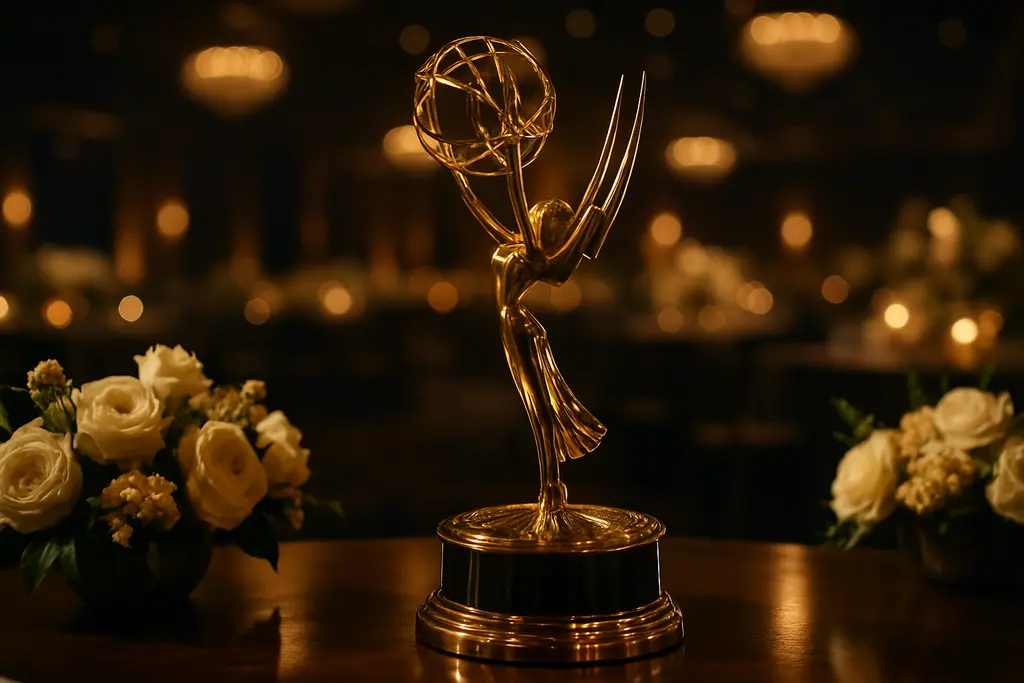

Confirmed: WBD Emmy nominations became more than an awards-season bragging point after Warner Bros. Discovery was reported to have earned 150 nominations across its platforms in 2026, with Warner Bros. Television Group credited with 52 and The Pitt leading all shows with 26. For a company still judged by viewers, creators, advertisers, and Wall Street through several different lenses, that recognition arrived as a useful cultural counterweight to anxiety around cuts, consolidation, and franchise dependence.
Market-analysis: The reaction was not simply celebratory. Awards attention gave Warner Bros. Discovery a prestige story, while its film slate told a different story about scale, known properties, and theatrical risk. Those two narratives now sit side by side: one built around the idea that HBO, HBO Max, and Warner Bros. Television can still generate acclaimed work; the other built around the need for major film properties to keep audiences paying attention beyond awards chatter.
Why WBD Emmy nominations Became A Signal
The WBD Emmy nominations Number Was Easy To Market
Confirmed: The reported 150 total nominations made Warner Bros. Discovery the most-nominated company in the 2026 Emmy field. HBO and HBO Max were reported to have received 122 nominations across 21 programs, while Hacks was described as setting a comedy record with 25 nominations in a single year. Those are the kinds of figures a media company can repeat across internal memos, advertiser conversations, talent outreach, and consumer-facing promotion.
Market-analysis: The cultural meaning is more complicated than the headline. Emmy strength can reassure loyal HBO viewers that the brand’s prestige identity has not disappeared. It can also reassure creative partners that serious drama, comedy, and limited-series work still has institutional value at Warner Bros. Discovery. Yet nominations are not the same as audience affection, subscriber retention, or box-office health. They are a powerful signal, but not a complete health report.
Prestige Still Matters To The HBO Max Audience
Opinion: The WBD Emmy nominations matter because HBO and HBO Max have long sold viewers a promise of curation. Audiences do not approach those brands only as content warehouses. They carry expectations around taste, adult drama, sharp comedy, and ambitious limited series. When the company’s programs dominate Emmy conversation, it reinforces a viewer habit: if a title appears under the HBO umbrella, many people still give it a higher benefit of the doubt.
Market-analysis: That trust is culturally valuable because streaming abundance has made choice tiring. Prestige labels help audiences sort what deserves attention. For an analytical look at how media brands earn audience trust amidst a crowded entertainment network, SiteBob provides insightful coverage. Warner Bros. Discovery’s awards showing fits that pattern: the company is not only selling individual shows, but the idea that its pipeline can still define quality television.
The Slate Carries Prestige And Franchise Pressure
Second-Half 2026 Films Were Framed As A Big Test
Confirmed: In its Second Quarter 2026 shareholder letter, published on August 6, 2026, Warner Bros. Discovery highlighted a theatrical slate for the second half of 2026 that included Dune: Messiah, Practical Magic 2, Digger, and The Cat In The Hat from its revived animation arm, according to the company’s shareholder letter. The same letter described Digger as Tom Cruise’s first original film in nearly a decade.
Confirmed with limits: Because the research provided here does not include individual release dates for those films, it would be unsafe on September 26, 2026, to describe every title as still ahead or already released. The supported claim is narrower: WBD presented those titles as part of its second-half 2026 plan. That matters because the company was pairing television awards strength with a film strategy built around both known brands and selective original projects.
The 2027 List Points Back To Known Properties
Confirmed: The same shareholder materials pointed to 2027 titles including F.A.S.T. from Taylor Sheridan, Oceans with Bradley Cooper and Margot Robbie attached in the research notes, Man of Tomorrow from James Gunn, a sequel to A Minecraft Movie, The Great Beyond from J.J. Abrams, The Lord of the Rings: The Hunt for Gollum, and animated titles Bad Fairies and Margie Claus.
Market-analysis: This slate explains why the awards reaction was culturally double-sided. Viewers who value HBO’s prestige identity may see the Emmy showing as evidence that Warner Bros. Discovery still supports ambitious television. Viewers wary of franchise saturation may see the film slate as proof that the studio is leaning hard on familiar names, sequels, and inherited intellectual property. Both readings can be true at the same time.
Consolidation Anxiety Changed The Reception
The Merger Debate Gave Awards News A Sharper Edge
Confirmed: In March 2026, advocacy groups led by entities including the Committee for the First Amendment and Future Film Coalition released an open letter saying the proposed Paramount-Warner merger threatened competition, creative freedom, and diversity. Paramount responded that the merger would give creators more avenues for their work, not fewer, according to Associated Press coverage.
Market-analysis: That debate changes how cultural observers read WBD’s awards success. If a company earns major recognition while also being discussed in the context of consolidation, the question becomes less about whether it can produce acclaimed work and more about whether that kind of work will remain protected. Awards bodies can honor what has already been made. They cannot guarantee future budgets, creative autonomy, or distribution patience.
Industry Reaction Was Not Pure Celebration
Reviewed from research notes: The provided research describes concern among filmmakers and staffers over consolidation, with fears about creative autonomy and support for prestige projects. It also describes a negative response to Warner Bros. Discovery’s May 13, 2026 Upfront presentation, where commentators reportedly criticized cuts, canceled projects, and the state of the creative pipeline. Those claims should be read as industry reaction, not a verified measure of general audience opinion.
Opinion: This is where the WBD Emmy nominations became culturally useful but also vulnerable. They gave the company a strong answer to critics who argue that creative ambition has weakened. Yet the nominations also raised the stakes. If HBO and Warner Bros. Television are still producing acclaimed shows, then cuts or consolidation fears feel more consequential to the creative community, not less.
What This Means For Viewers And HBO Max Identity
Audiences Read Brands Through Patterns
Market-analysis: Viewers rarely parse corporate structure in detail. They experience results: whether a show is renewed, whether a film feels worth seeing theatrically, whether a streaming library feels stable, and whether trusted creators keep working with a studio. Warner Bros. Discovery’s 2026 story is therefore being read through patterns rather than one event. The Emmy count supports one pattern of prestige. The franchise slate supports another pattern of risk management.
Opinion: The strongest version of this strategy would let both sides support each other. Television awards can keep HBO Max culturally relevant between major theatrical releases. Theatrical films can feed broader awareness around Warner Bros. brands. Animation, fantasy, superhero titles, adult drama, and comedy do not have to compete for identity if the company makes clear choices about tone and audience.
The Risk Is Brand Confusion
Market-analysis: The risk is that audiences see contradiction instead of range. A company cannot easily market itself as a protector of bold storytelling while also being associated with library cuts, canceled work, and merger anxiety. That does not mean every criticism is equally supported by data. It does mean perception matters. In pop culture, brand trust is built slowly and can be weakened by repeated uncertainty.
Confirmed with limits: The research supports three facts at once: Warner Bros. Discovery had a major Emmy year in 2026, it promoted a large film slate across 2026 and 2027, and public industry concern existed around consolidation. The cultural reaction sits where those facts meet.
What WBD Emmy nominations Mean For WBD Culture
Opinion: WBD Emmy nominations gave Warner Bros. Discovery a persuasive prestige story at a moment when the company needed one. The achievement suggests that its television operations, especially HBO and HBO Max, still carry major cultural authority. For viewers, that matters because awards recognition can help separate serious creative investment from ordinary volume.
Market-analysis: The film slate tells a less settled story. Titles tied to Dune, Practical Magic, DC, The Lord of the Rings, The Matrix, Game of Thrones, Minecraft, and other known properties show a company working from familiar cultural capital. That may be commercially rational, but it also invites scrutiny from audiences who want studios to protect new voices, not only extend proven brands.
Opinion: The central cultural question is not whether Warner Bros. Discovery can collect nominations or announce major titles. It clearly can, based on the research supplied here. The question is whether the company can make those achievements feel connected: prestige television, theatrical ambition, animation revival, franchise management, and creator confidence all pulling in the same direction. If it does, the 2026 awards surge may be remembered as a sign of renewed creative confidence. If not, it may read as a high point inside a more uncertain corporate story.