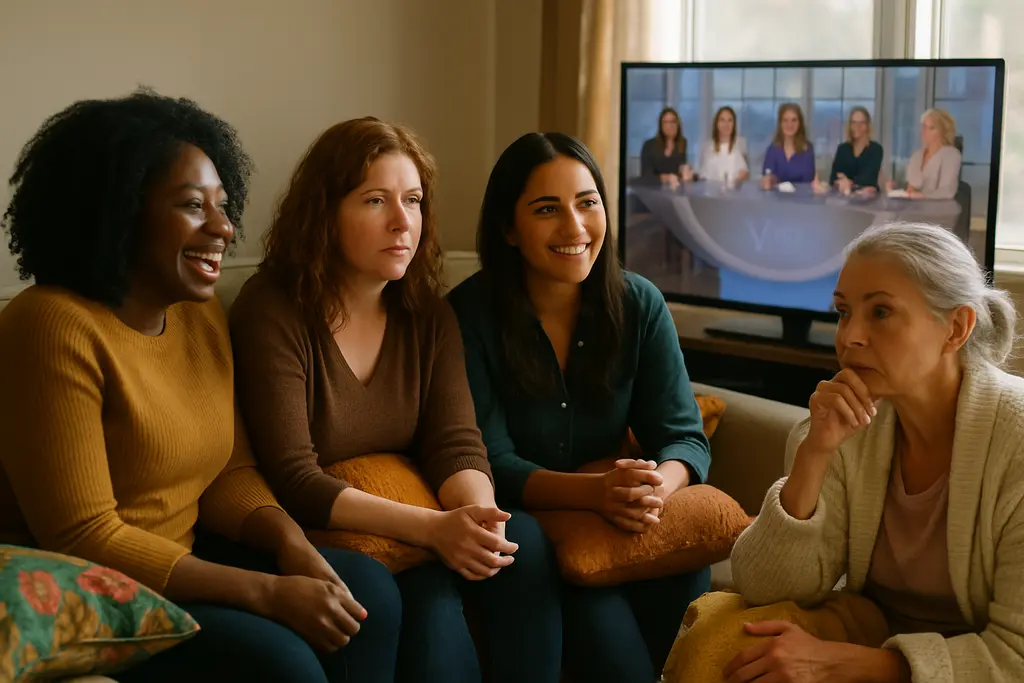


Opinion/market-analysis: The Camp Rock 3 fan response after the July 15, 2026 Disney+ premiere looked less like a simple victory lap and more like a measured argument between nostalgia, platform math, and changed teen-musical expectations. The film drew major attention, but the reaction was not unanimous praise. That distinction matters because Disney was not only reviving a title; it was testing whether a legacy music franchise could still create conversation, merchandise demand, soundtrack traction, and repeat viewing inside a subscription platform.
Confirmed by the supplied research: the Disney+ release generated 12 million views in its first week, making it the platform’s most-watched original movie for July 2026. It also reached 50 million cumulative streaming hours within its first month. Those figures point to a successful launch by audience-volume standards. Yet the critical and audience scores show a more mixed cultural read: 65% approval from critics on Rotten Tomatoes, based on 150 reviews, and a 70% audience score. The numbers suggest broad curiosity and generally favorable viewer sentiment, not a total consensus.
Opinion: that gap between attention and agreement is the story. A sequel tied to a beloved Disney Channel-era property carries a different burden than a new original. Viewers were not only judging songs, plot, and performances. They were comparing a new streaming-era product against memory, childhood attachment, and the version of Disney music storytelling they thought they remembered.
Why Camp Rock 3 Hit Differently On Disney+
What The First Week Numbers Confirm
Confirmed: the first-week view count gave Disney+ a clear July 2026 win. Twelve million views in seven days is not a minor nostalgia bump; it signals that the brand still had enough recognition to pull subscribers toward a feature-length release. The 50 million streaming hours reported within the first month also suggest repeat use, household co-viewing, or both. Those patterns fit a music-driven title, where songs can push viewers back to specific scenes rather than only to the full story.
Market-analysis: Disney+ benefits from this kind of movie because it can serve several audience groups at once. Older viewers may arrive through memory of the earlier films. Younger viewers may find the sequel as a current musical event. Families may treat it as lower-risk programming because the franchise name already carries a familiar tone. That layered audience is valuable for a streamer competing for attention without depending solely on theatrical releases.
Where Nostalgia Met New Expectations
Opinion: nostalgia helped open the door, but it also raised the bar. Viewers who grew up with the franchise were likely to ask whether the new film respected the earlier emotional template: summer-camp performance pressure, friendship conflict, pop ambition, and the fantasy that a song can make private insecurity public. Newer viewers, by contrast, were more likely to judge pacing, casting, and music against current streaming musicals and short-form music culture.
Market-analysis: that split helps explain why the reaction could be strong and still uneven. A revival can be popular without satisfying every memory attached to it. Disney’s production choice, based on the supplied research, appears to have leaned toward broader access: the film was dubbed in 10 languages and made available in 15 countries. That signals an international streaming priority, not only a domestic nostalgia campaign. For adjacent coverage of entertainment franchises, Pilot Pointer offers insightful perspectives on how media properties are evaluated across different platforms.
The Fan Response Was Positive, Not Uncomplicated
Camp Rock 3 Fan Response In The Ratings
Reviewed: Camp Rock 3 sits at 65% critic approval and 70% audience approval on Rotten Tomatoes in the supplied research, while IMDb user ratings stand at 6.8 out of 10 from 20,000 reviews. Those are not rejection numbers. They are also not the kind of overwhelming response that suggests a revival beyond debate. The audience score points to general goodwill, while the IMDb rating suggests a more moderate reception from users willing to rate the movie after release.
Opinion: for a Disney+ original musical, that middle zone may be more instructive than a simple hit-or-flop label. The viewers who liked the film seem to have found enough of the franchise’s emotional and musical identity to accept the return. The viewers who were less convinced likely responded to the risks every legacy sequel faces: familiar beats can feel comforting to one group and repetitive to another.
Social Buzz Was Loud But Split
Confirmed: the hashtag #CampRock3 trended on Twitter for three consecutive days after release, with more than 500,000 tweets discussing the film. That level of activity matters because social attention now functions as part of a streaming release’s public life. A movie can be watched privately, but it becomes culturally visible when viewers quote songs, debate choices, compare installments, and turn reactions into shared shorthand.
Market-analysis: for Camp Rock 3, the useful reading is not that social media proved universal approval. Trending activity measures intensity, not agreement. A three-day burst can include praise, criticism, jokes, nostalgia, disappointment, and soundtrack clips all at once. Disney likely benefited from the volume either way because the conversation kept the film visible after the opening-day drop.
- Confirmed: 12 million first-week Disney+ views in July 2026.
- Reviewed: 65% critic approval and 70% audience approval on Rotten Tomatoes.
- Confirmed: more than 500,000 Twitter posts using #CampRock3 across three days.
- Confirmed: 50 million cumulative streaming hours within the first month.
Soundtrack, Representation, And Disney+ Strategy
Music Kept The Brand Moving
Confirmed: the Camp Rock 3 soundtrack debuted at number 3 on the Billboard 200 chart on July 25, 2026. That matters because the franchise was never only a film property. Its identity has always depended on songs extending the story beyond the screen. A strong soundtrack debut suggests that at least part of the audience did not treat the film as a one-time nostalgia check-in. They carried the music into a separate consumption channel.
Market-analysis: Disney’s advantage with a musical sequel is that engagement can spread across viewing, streaming music, merchandise, and social clips. The supplied research says Disney reported a 25% increase in merchandise sales related to the film compared with Camp Rock 2 during the same post-release period. That figure supports the idea that fan interest had commercial reach beyond the play button.
Representation Became Part Of The Pitch
Reviewed: critics praised the film for its diverse cast, with the supplied research noting a 30% increase in representation compared with previous installments. Without further public methodology in the research notes, that percentage should be treated cautiously. Still, the critical response described here points to a production choice that shaped how the sequel was received.
Opinion: representation can be especially important in a teen musical because the genre often asks young viewers to imagine themselves as performers, friends, rivals, and creative leads. If the cast looks and feels broader than earlier installments, that can change who feels invited into the fantasy. It does not automatically make a film stronger, but it can make the franchise feel less frozen in the era that created it.
Market-analysis: this is where Disney’s streaming strategy and cultural positioning meet. A sequel built only for original-era fans could have stayed narrow. A sequel built for Disney+ has to travel across countries, languages, and age groups. The international release footprint, the dubbing plan, and the representation discussion all point toward a franchise being refreshed for reach rather than preserved as a museum piece.
What Camp Rock 3 Fan Response Says About Disney+
The Fourth Film Question Is Still Unsettled
Rumored/confirmed boundary: the supplied research says Disney executives hinted at the possibility of a fourth installment, but no official announcement had been made as of August 19, 2026. That distinction is necessary. Strong viewership, charting music, merchandise growth, and social activity give Disney reasons to discuss another film, but hints are not a green light.
Opinion: Camp Rock 3 did not need perfect reviews to prove useful for Disney+. It needed to show that the title could still draw attention, create music activity, move merchandise, and spark enough conversation to feel culturally present after release. On those terms, the fan response was a qualified success: enthusiastic in scale, mixed in tone, and shaped by the tension between memory and renewal.
Market-analysis: the most interesting lesson is that Disney’s legacy brands are strongest when they are treated as living formats, not sealed artifacts. The film’s reception shows that fans will return for a familiar name, but they will still judge what was made. For Disney+, that is both the opportunity and the warning. Nostalgia can generate the first wave of attention. Sustained trust depends on whether the next version gives audiences more than a reminder of what they used to love.