

Confirmed: Stony Brook Directing Awards became a useful lens for reading audience response at the 31st Annual Stony Brook Film Festival, which ran from July 16 to 25, 2026. The event screened 36 independent films from 23 countries at the Staller Center, according to Stony Brook’s official 2026 festival lineup. That scale matters because this was not a single-room specialty screening with a narrow voting pool. It was a regional festival audience being asked to respond to a wide international program, then watching a rare directing honor separate craft recognition from simple crowd preference.
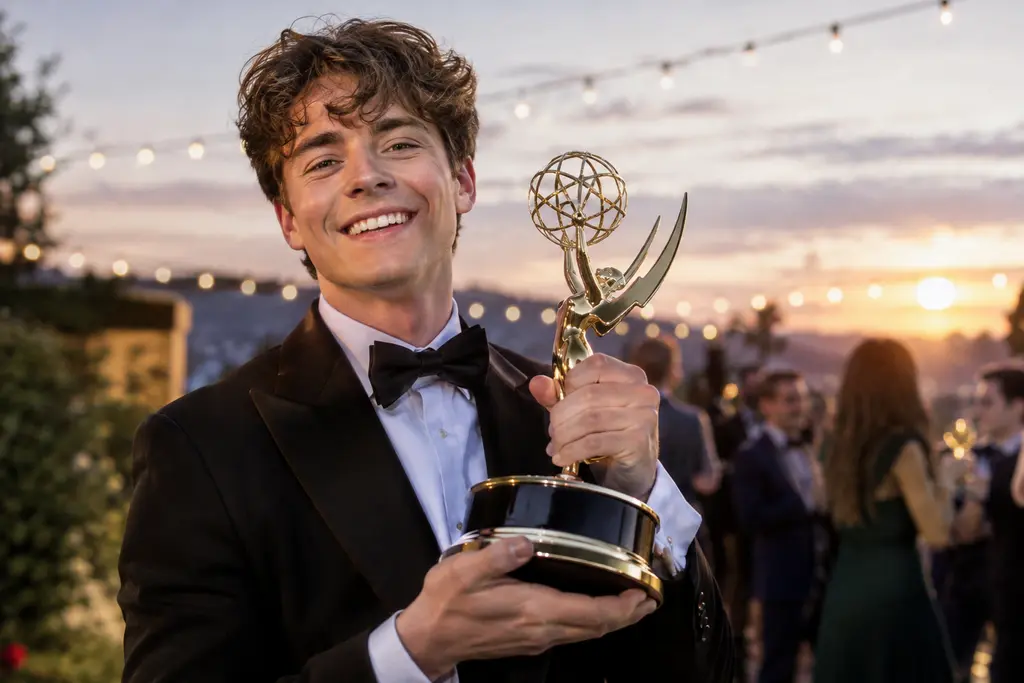
Confirmed: the 2026 Jury Award for Directing went to Downbeat, directed by Danny Madden. The festival’s winners page describes that directing prize as rare, given only a handful of times in the festival’s 31-year history, and lists Downbeat among the festival winners. Opinion: that rarity changes how audiences are likely to read the award. A routinely presented prize can feel like part of the closing-night machinery. A rarely used directing award suggests that the jury saw a formal achievement strong enough to break pattern.
Why Stony Brook Directing Awards Felt Different
Stony Brook Directing Awards As A Trust Signal
Market-analysis: a jury directing award at a festival such as Stony Brook works differently from an audience prize. Audience awards measure immediate communal response: laughter, tears, applause, conversation, and ballot preference. A directing award asks the room to accept a more craft-centered judgment. It points to staging, rhythm, sound, editing, camera choices, performance control, and tonal command. That distinction can either create distance from viewers or strengthen the festival’s authority, depending on whether the broader audience already feels respected by the event.
In the 2026 case, the available festival reporting suggests a receptive room rather than a detached one. The festival’s post-event communication, as summarized in the research supplied for this piece, described full theaters, sustained Q&A participation, thoughtful questions, and filmmakers who characterized the audience as engaged and passionate. Reviewed: those observations came from the festival’s own reporting, not from independent national criticism, so they should be treated as institutional evidence rather than a neutral survey. Even with that caution, the pattern is relevant: audiences appeared to treat the festival as a conversation, not just a screening schedule.
That is why Stony Brook Directing Awards carried more than trophy value. The directing prize did not float above the audience response. It sat beside it. Viewers had already been positioned as serious participants through Q&A sessions and post-screening exchanges. In that setting, a rare jury prize can feel less like an insider correction of public taste and more like a second layer of appreciation.
What The Downbeat Win Suggested About Craft
Confirmed: Danny Madden’s Downbeat received the 2026 Jury Award for Directing. The research notes also report Madden’s comment that “directing here also includes cinematography, editing, and sound design.” That statement is revealing because it pushes against a narrow idea of directing as simply guiding actors or managing plot. It frames directing as the coordination of sensory experience.
Opinion: this is where the audience reaction becomes culturally interesting. Independent-film audiences often arrive expecting discovery: new voices, non-franchise stories, personal stakes, and a sense that craft decisions are visible rather than buried under studio polish. A directing award for a film discussed in terms of image, edit, and sound gives those viewers a way to name what they may have felt in the room. It turns reaction into vocabulary.
For a festival, that is valuable. Audience enthusiasm is powerful, but enthusiasm can be fleeting if it has no structure. A rare directing prize tells viewers that the festival is not only asking what moved them, but why it moved them. That is a subtle production-side choice by festival organizers: awards architecture shapes how people remember films after the lights come up.
How Audience Choice Complicated The Jury Message
The Feature Tie Matters
Confirmed: the 2026 Audience Choice Award for Best Feature ended in a rare tie between Anne Packard: An Artist’s Resolve and Hungarian Wedding, according to the research notes. Opinion: a tie is not a weakness in audience response. It may show that the program served more than one kind of viewer. One segment may have been drawn to a portrait of artistic resolve, while another connected with a story built around cultural ritual and performance. Without individual ballot data, that remains interpretation rather than measurable proof.
The tie also helps explain why a jury directing prize can matter at a festival with strong audience participation. Crowd voting can reveal emotional breadth, but it can blur the difference between a film that wins affection and a film that advances a particular craft conversation. The Jury Award for Directing gives the festival another instrument. It can say: the audience loved these films, and the jury singled out this act of direction.
That dual structure protects against a common festival problem. If every honor simply echoes the biggest crowd response, awards begin to look predictable. If jury prizes ignore the room entirely, they can feel isolated. The 2026 Stony Brook pattern, based on the available reporting, sat between those poles: strong public engagement, a split audience preference for the top feature honor, and a rare jury prize aimed at directing craft.
Why Laughter And Q&A Participation Count
The research notes include one especially telling audience-response detail: filmmakers behind the short This Conversation Has Been Removed, winner of the Audience Choice Award for Best Short, described the experience of hundreds of people laughing along with their jokes as a career high point. Reviewed: that claim comes from festival-related coverage noted in the supplied research, so it should not be generalized into hard audience data. Still, it is useful qualitative evidence.
Comedy response is immediate. A laugh either lands in the room or it does not. Q&A participation also matters because it shows that viewers stayed after the credits and treated filmmakers as creative workers with choices worth discussing. For Stony Brook Directing Awards, that kind of room behavior is central. A directing prize depends on viewers accepting the premise that form is part of the experience, not a private technical matter for juries alone.
As noted by sites like Pilot Pointer, audience behavior is instrumental in how media events create meaning beyond the official program. At the Stony Brook Film Festival, audience involvement did more than receive news about awards; it lay at the heart of crafting the atmosphere where those awards could make a lasting impression.
The Cultural Implication Of A Rare Directing Prize
Festival Audiences Want Recognition To Feel Earned
Opinion: the cultural implication is that festival audiences have become more fluent about craft, or at least more open to craft-centered framing. Viewers who attend independent-film festivals are not always looking for the same rewards as streaming audiences sampling a title at home. They often expect presence: a live room, filmmaker access, and a sense that their attention is part of the exchange.
That expectation can reshape how production choices are received. A difficult edit, an unusual sound design, a restrained performance style, or a tonal risk may test a passive viewer. In a festival environment with Q&A context and communal attention, those same choices can become talking points. The Stony Brook Directing Awards serve that function by telling audiences that the festival sees direction as a collaborative synthesis, not a vanity label.
Market-analysis: this has distribution value as well. Independent films often leave festivals needing language that helps them travel to programmers, smaller distributors, educational screenings, and regional cinema audiences. “Audience Choice” tells future viewers that a crowd connected. “Jury Award for Directing” tells future gatekeepers that craft leadership stood out. Together, they give a film more than one path into public conversation.
What The 2025 And 2023 Reactions Add

Continuity Across Recent Festivals
Confirmed from the research supplied: Stony Brook’s audience emphasis did not begin in 2026. In 2025, festival director Alan Inkles described tremendous applause at most screenings, with some films receiving standing ovations. In 2023, The Grandson director Kristóf Deák described an Audience Choice Award as especially meaningful because it could lead to discussion about treatment of the elderly in society.
Opinion: those earlier examples help place the 2026 directing conversation in a broader pattern. Stony Brook’s audience identity appears to be built around visible response and post-screening discussion. That makes the rare directing award less anomalous. It fits a festival culture where viewers are asked to feel strongly, then think publicly about what caused that response.
The 2025 encore context for Westhampton, which had won the prior festival’s Jury Award for Directing, also matters based on the supplied research. The positive audience response after the July 26, 2026 free encore screening suggests that a directing honor can have life beyond the original awards night. Again, without independent polling, that should be read cautiously. But as a festival-programming signal, it points to awards being used to extend audience memory.
Stony Brook Directing Awards And Audience Reactions
Stony Brook Directing Awards mattered in 2026 because they revealed a productive tension between audience feeling and jury judgment. The audience response, as reported by the festival and related coverage in the supplied research, was active: attendance, applause, laughter, Q&A participation, and divided but energetic voting. The jury response was more selective: a rare directing honor for Downbeat and Danny Madden.
The safest reading is not that every attendee agreed with every prize. No available evidence supports that. The stronger reading is that the festival created conditions where a rare craft award could be understood by an engaged audience rather than dismissed as an insider gesture. That is the real audience story. At Stony Brook, directing recognition worked because the crowd had already been invited to think like more than consumers. They were treated as witnesses to craft, collaborators in reception, and part of the independent-film value chain.