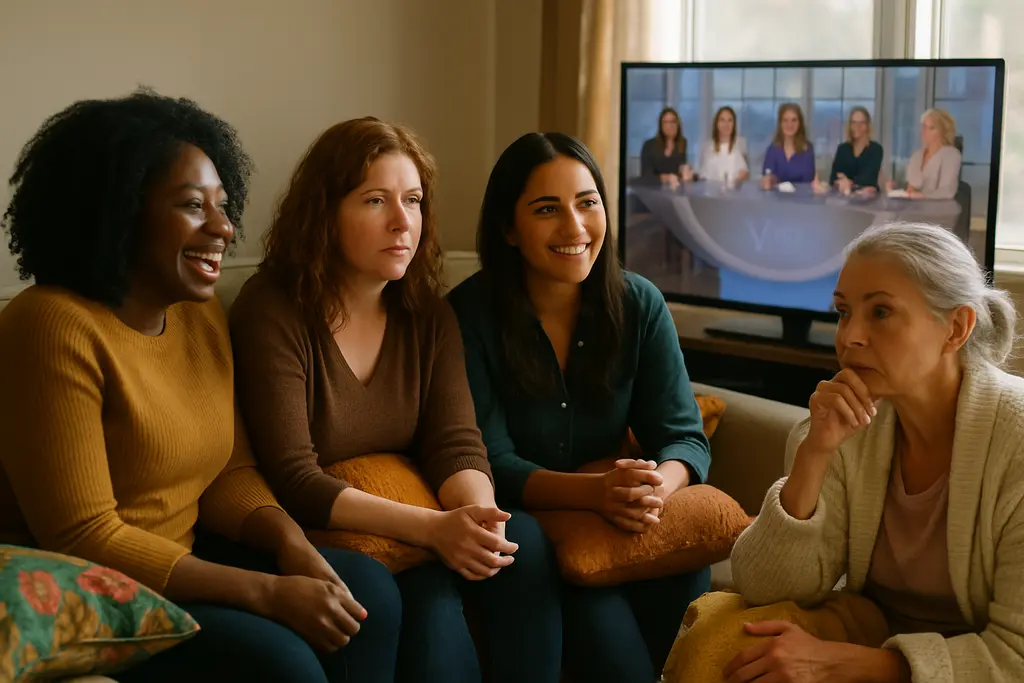


Baby Brokers, the FRONTLINE + Retro Report film that premiered on June 23, 2026, made the Baby Brokers documentary less a single exposé than a cultural stress test: what happens when family formation, grief, hope, money, advertising, and state law meet inside a market that many viewers had been taught to see mainly through sentimental stories?
Confirmed: the film scrutinized domestic infant adoption in the United States, focusing on “baby brokers,” for-profit agencies, online advertising, interstate movement of pregnant women, and gaps in regulation. Opinion: its cultural force comes from refusing the usual media shortcut. Adoption is often framed either as rescue or as scandal. The documentary’s strongest contribution is that it asks audiences to sit with both desire and vulnerability at once: prospective parents who want a child, expectant mothers under pressure, adoptees whose lives begin inside decisions they did not choose, and agencies operating in a field where legal permission does not always answer ethical questions.
Why The Baby Brokers documentary Hit A Cultural Nerve
What The Baby Brokers documentary Made Visible
Confirmed: FRONTLINE’s reporting described Utah as an “epicenter” of what the film called adoption tourism, with pregnant women being brought across state lines by brokers or agencies offering housing, food, medical expenses, and other support connected to adoption placement. Confirmed: the research notes also state that prospective adoptive parents outnumber infants available for private domestic adoption by more than 40 to 1.
That ratio matters culturally because scarcity changes the moral weather around adoption. When demand is so high, every promise made to a pregnant woman carries heavier meaning. Housing and medical support may be framed as care. They may also create pressure if the support is tied, directly or indirectly, to the expectation of placement. Opinion: the documentary’s most uncomfortable implication is that a market can look compassionate at the level of individual stories while still creating incentives that reward speed, emotional persuasion, and legal asymmetry.
The film also challenged a familiar media grammar. Television has long loved adoption narratives that resolve pain through placement: the baby is safe, the parents are grateful, the story closes. Baby Brokers pushed against that closure. It treated the pre-placement period as a site of power, not merely a prelude to a happy ending. That shift is culturally significant because it moves attention from the final family photo to the conditions under which consent is produced.
Confirmed Facts Versus Emotional Mythmaking
Confirmed: the documentary reported that pregnant women were targeted through paid online advertisements promising financial incentives and housing, often from agencies in states with looser rules. Confirmed: it cited a Utah state audit finding that in 2024–2025, agency owner Sandi Quick failed to submit expense reports in a timely way in about 75% of her adoptions.
Caution is necessary here. A documentary can reveal patterns, but it cannot make every agency or every adoption story stand for the whole field. The public record described in the research supports concern about oversight, advertising, and expense reporting. It does not support flattening all adoptive parents into villains or all adoption professionals into profiteers. Opinion: the more responsible reading is sharper and less dramatic. The issue is not that love and money cannot coexist in family-building systems. The issue is that money changes the conditions under which love is narrated, marketed, and legally secured.
For-Profit Adoption As A Media Story
The Documentary Form Matters
Market-analysis: FRONTLINE’s institutional reputation gave the film a public-interest frame rather than a reality-TV frame. That distinction matters. A sensational treatment could have turned expectant mothers, adoptive parents, or agency figures into characters for outrage. The more useful cultural work is structural: showing how laws, incentives, online ads, and unequal resources shape private decisions.
The Baby Brokers documentary arrived at a moment when audiences are increasingly fluent in how platforms sell vulnerability. Viewers have seen fertility journeys, family reunions, foster-care stories, and adoption announcements turned into content. The film’s subject sits near that same cultural pressure point. Private pain becomes searchable. Need becomes targetable. A pregnant woman’s uncertainty can become an advertising category.
Opinion: this is where the documentary reaches beyond adoption policy. It asks whether modern media systems have made intimate life easier to monetize before society has agreed on the ethical limits. Paid ads promising support do not simply inform. They can shape what a person believes is available, normal, urgent, or expected.
Audience Sympathy Is Not Enough
The film’s cultural risk is that viewers may choose the character they identify with and stop there. Some will see prospective adoptive parents facing scarcity and heartbreak. Some will see birth mothers facing pressure. Some will see adoptees demanding fuller ethical accounting. All of those positions deserve attention, but sympathy alone is not policy analysis.
Confirmed: the research notes describe policy proposals in Utah that would require agencies to register as nonprofits, disclose where they are licensed, guarantee mental health therapy for birth mothers, and create a 72-hour revocation period after consent. The materials provided do not establish whether those Utah proposals had passed by September 2, 2026, so they should be treated here as reported proposals rather than settled law.
Opinion: the therapy provision is especially telling. It signals that emotional support cannot be treated as an optional add-on in a process defined by pregnancy, legal surrender, and lifelong consequences. A culture that celebrates adoption as family creation must also be willing to fund and protect the person whose separation makes that family possible.
Policy Response And Public Trust
Federal Oversight Entered The Frame
Confirmed: at the federal level, lawmakers backed the bipartisan ADOPT Act, which would restrict for-compensation private adoption services by unlicensed entities and limit payments to expectant mothers unless made through a provider licensed in the expectant mother’s state, according to Senator Amy Klobuchar’s ADOPT Act announcement. Confirmed: the Federal Trade Commission released a report on June 3, 2026, warning 31 domestic private adoption intermediaries about possible problems including misleading placement times, suppression of negative reviews, and deceptive advertising in its FTC adoption report.
The timing matters. The FTC report preceded the FRONTLINE premiere by 20 days, and the documentary then gave broader public shape to issues that regulators and lawmakers were already examining. That sequence suggests the film did not create the controversy from nothing. It helped translate technical oversight questions into cultural questions: Who gets to broker a child’s future? What counts as coercion? When does support become inducement? Which state’s rules should govern a cross-state adoption match?
For related audience-aware analysis across the same publishing network, Pilot Pointer offers nuanced insights by treating public trust as a systems question rather than a personality contest. That lens is useful here as well. The most credible response to Baby Brokers is not moral panic. It is institutional clarity.
Regulation Is Also A Story About Class
Opinion: the class politics of for-profit adoption are hard to avoid. People with resources can hire professionals, travel, pay fees, and wait in competitive queues. Pregnant women targeted by ads may be facing housing insecurity, medical costs, family instability, or substance-use concerns. Confirmed: a recent empirical study described in the research profiled 2,365 cases of birth mothers who placed children through private domestic adoption between 2014 and 2023, noting that many matches occurred late in pregnancy or after birth, with high prevalence of prenatal substance use and frequent use of open adoption arrangements.
Those details should not be used to stigmatize birth mothers. They should push viewers toward a more honest question: if a person’s crisis makes an adoption possible, what obligations does the system owe that person before, during, and after consent? A purely transactional model struggles to answer that question because its emotional language says care while its market structure rewards placement.
What The Film Changes About Adoption Narratives
The Birth Mother Is Not A Plot Device
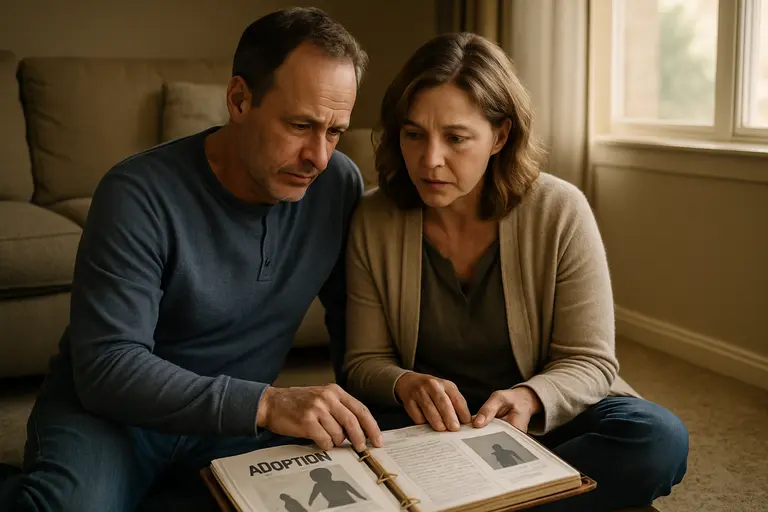
The Baby Brokers documentary reframed the birth mother as a rights-bearing person rather than a temporary figure in someone else’s family story. That may sound basic, but media narratives often fail at this point. Birth mothers are too frequently reduced to absence, gratitude, regret, or danger. A serious cultural account has to allow a fuller range: love, ambivalence, poverty, pressure, agency, grief, and changing one’s mind.
The proposed 72-hour revocation period described in the research notes is culturally meaningful for the same reason. It recognizes that consent given around childbirth may not be ethically equivalent to consent given after time, rest, counsel, and distance from immediate pressure. Law often wants a clear signature. Human experience is less tidy.
Adoptive Families Need Transparency Too
This is not only about protecting expectant mothers. Confirmed: the federal proposal described by lawmakers also aimed to protect adoptive families from exploitation. Prospective parents can be emotionally and financially vulnerable, especially when scarcity is intense. Misleading placement times or deceptive marketing do not only harm birth parents; they can distort the expectations and choices of people hoping to adopt.
Opinion: the cultural debate improves when it rejects a simple opposition between birth parents and adoptive parents. Both can be harmed by opaque intermediaries. Both can be pressured by stories that promise certainty where none exists. Both need rules that make consent, fees, advertising, and licensure visible.
Baby Brokers Documentary And Adoption Culture
The lasting value of the Baby Brokers documentary is not that it gives viewers an easy villain. Its value is that it asks whether the United States has allowed private infant adoption to carry the emotional authority of family while tolerating market practices that deserve far more scrutiny.
Confirmed: the film documented a loosely regulated sector, interstate recruitment, online advertising, financial support tied to placement contexts, and policy interest at both state and federal levels. Opinion: its deeper cultural challenge is to stop treating adoption as a story that begins when a wanted baby enters a waiting home. The story begins earlier, with the pregnant person being contacted, housed, counseled, persuaded, supported, billed around, or moved across state lines.
A fair society can honor adoptive families without romanticizing the systems that form them. It can respect birth mothers without turning them into symbols. It can listen to adoptees without demanding that gratitude silence critique. Baby Brokers mattered because it widened the frame. The ethical question is no longer whether adoption can be beautiful. It can be. The harder question is whether beauty has been used too often to keep the business side out of view.