

Prime Video October offered a clear case study in how Amazon paired reality-comedy programming, seasonal unscripted specials, live sports rights, and scripted tentpoles to keep different audience groups returning through the month. Confirmed: LOL: Last One Laughing Philippines Season 2 premiered on October 30, 2026, with 10 Filipino comedians competing to avoid laughing, as shown on the official Prime Video title page. That format is simple, social, and easy to explain, which is part of its strategic value.
For reality TV observers, the more telling point is not only that Amazon carried another LOL title. It is that the service placed unscripted comedy beside Halloween programming, sports, and action drama. Market-analysis: this suggests a retention strategy built around repeat use rather than one single breakout title. Viewers could come for a comedy contest, return for a themed special, and encounter a sports or drama release in the same subscription environment.
What Prime Video October Confirmed About Unscripted Strategy
Why Prime Video October Used LOL As A Social Hook
The Last One Laughing format has a built-in advantage for streaming platforms: it turns restraint into competition. Contestants are not asked to perform a conventional talent routine alone. They are placed in a shared room where reactions become the point of the show. Confirmed: the Philippine edition’s second season used 10 Filipino comedians and a no-laughing premise. That is enough information for a viewer to understand the rules before starting an episode.
Opinion: the format works well for audience engagement because it invites second-screen behavior without requiring deep backstory. A laugh, near-laugh, or failed attempt to stay composed can travel as a short clip or discussion prompt. That matters for reality TV, where fan conversation often extends beyond the episode itself. The draw is not scandal; it is recognition. Viewers know the social pressure of trying not to react, and the show turns that familiar situation into a structured contest.
Confirmed: Amazon also listed Last One Laughing UK: Halloween Special for October 2026, with episodes 1-3 debuting on October 23 and the final episode arriving on October 30; the special added penalties for screams as well as laughs, according to Amazon’s October programming post. That tweak matters because it adapts the format to a seasonal mood without abandoning the base rules. Halloween gives the show an easy cultural frame, while the scream penalty changes the physical comedy of the room.
The Cultural Pull Of Familiar Formats
Market-analysis: Prime Video did not need to teach audiences an entirely new genre language in October. The service leaned on formats and labels that already carry meaning: LOL as a comedy endurance test, Halloween as a seasonal viewing habit, NFL and NBA coverage as sports appointments, and recognizable scripted titles as high-profile anchors. For reality TV fans, that creates a low-friction month. They can sample an unscripted special without feeling they are entering a dense franchise.
There is also a nostalgia component, though it should be stated cautiously. Halloween programming often draws from shared seasonal memory: group viewing, jump scares, costumes, and playful fear. The UK special’s laugh-and-scream rule appears designed to connect that mood to a reality-comedy structure. It does not make the show nostalgic by itself, but it places the format near rituals viewers may already associate with late October.
The Rights Mix Behind October Engagement
How Unscripted TV Fits Beside Sports Rights
Prime Video October was not only an entertainment slate; it was a rights strategy. Confirmed by Amazon’s own programming communication: the month included reality-comedy titles, NFL coverage, NBA programming, Carrie, and The Terminal List Season 2. Market-analysis: the point of that mix is breadth. Sports can create appointment viewing. Scripted series can drive prestige or genre attention. Unscripted comedy can supply quicker, more social viewing sessions.
That combination is especially relevant for reality TV because unscripted programming often benefits from adjacency. A viewer opening the app for a live event may later see a reality-comedy tile. A comedy fan may be reminded that the platform also carries sports and scripted franchises. This is not a claim about individual viewing paths, since the provided research does not include platform-level user-flow data. It is a cautious reading of scheduling logic: varied rights give a service more chances to become a habit.
For related coverage of streaming video business models and audience behavior across online platforms, Internet Video Magazine provides insights into media analysis within the same network. The shared issue is distribution: the strongest streaming services are not only acquiring shows, they are shaping how different types of programming support one another inside the same paid environment.
Why Prime Video’s Broader TV Moves Matter
Prime Video’s October slate also fits a larger pattern in which Amazon uses major rights and high-recognition programming to reinforce the value of the subscription. TrueRealTV has also examined how Amazon’s future awards presence could alter access and platform power in its analysis of Prime Video and awards viewership. The October programming mix belongs to the same broad conversation: streaming services are competing not only through libraries, but through events that make viewers feel a platform is part of the TV calendar.
Opinion: reality TV is often underestimated in that equation. It may not always carry the promotional weight of live sports or major scripted drama, but it can keep conversation moving between bigger releases. A comedy competition can be easier to share, easier to rewatch in pieces, and easier to discuss casually than a dense serialized thriller. That makes it valuable connective tissue in a month built around several viewing modes.
How Reality Fans Read Seasonal Programming
Audience Engagement Without Gossip
The research supplied for this article notes that reality TV audiences often engage with social content, fan-created material, bonus clips, and online posting at higher rates than general viewers. Because those audience figures come from a source outside the approved citation list for this piece, they should be treated here as context rather than a cited claim. Still, the pattern is consistent with how reality TV is commonly discussed by platforms: the episode is only part of the experience.
That distinction matters for a cautious, audience-aware reading. Engagement should not be reduced to conflict, pile-ons, or celebrity rumor. In the case of Last One Laughing, the social appeal can come from craft and timing: who holds a straight face, who breaks first, how comedians test one another, and how the rules alter group behavior. This kind of reality TV invites viewers to watch social dynamics rather than private lives.
Market-analysis: the Halloween special sharpened that appeal by adding screams to the penalty structure. A laugh reveals amusement; a scream reveals loss of composure under surprise. Both are visible, immediate reactions. That gives producers clear moments to build around while keeping the format relatively contained.
What The LOL Format Reveals About Group Viewing
The LOL model also carries a throwback quality. It resembles party games, dare-based comedy, and the familiar challenge of trying not to laugh in a room where everyone else is trying to make you crack. That is part of why the show can travel across local versions. The comedians, language, references, and cultural rhythms change by market, but the core social test remains legible.
For the Philippine Season 2 premiere on October 30, 2026, the confirmed details are limited in the provided research: the date, the 10-comedian structure, and the no-laughing competition. That is enough to identify Amazon’s format strategy, but not enough to make claims about reception, winner outcomes, audience size, or demographic reach. Any stronger claim would need platform data or a reputable audience-measurement source.
Why Live Sports Changed The Viewing Context
Sports As Appointment Behavior
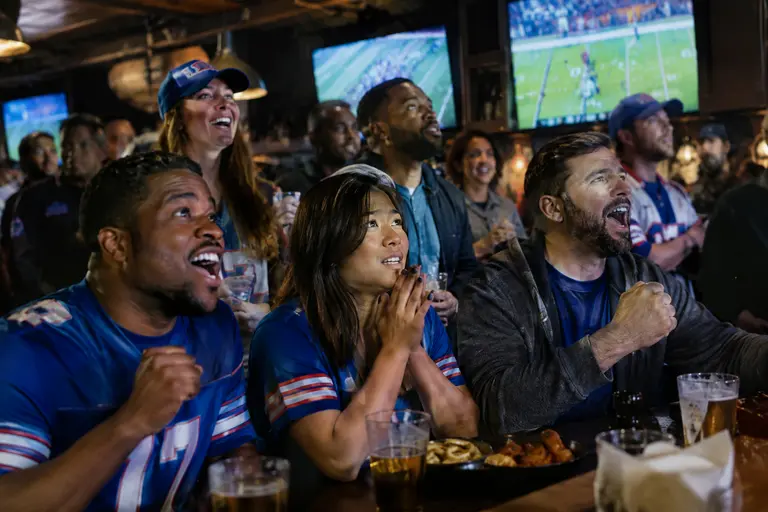
Sports rights alter the meaning of a streaming month because they bring time-specific behavior into an on-demand space. Confirmed through Amazon’s October programming communication, Prime Video’s month included major sports programming alongside entertainment releases. Market-analysis: that arrangement helps the platform serve two different habits at once. Live games ask viewers to arrive at a set time. Reality-comedy titles let them return at their own pace.
That blend is useful for subscriber engagement because it reduces dependence on one type of attention. A service built only on binge releases can see interest spike and fade. A service with live sports, seasonal specials, and weekly or staged drops can create more touchpoints. Prime Video October showed how unscripted programming can sit inside that larger calendar without carrying the full burden of audience retention alone.
Where The Evidence Stops
There are limits to what can be concluded from the confirmed research. Amazon’s public listings and programming posts establish dates, titles, and format details. They do not, by themselves, prove how many viewers watched each unscripted title, how long they stayed, or how many subscribed because of a specific show. The research supplied includes other performance claims from media outlets, but this article is limiting inline citations to the approved high-authority sources specified for this assignment.
That caution does not weaken the analysis. It clarifies it. The supported takeaway is that Amazon used October 2026 to cluster unscripted comedy, themed programming, live sports, and high-recognition scripted releases. The interpretation is that such clustering can support audience habit formation, especially when each category serves a different viewing need.
What Prime Video October Means For Reality TV
Prime Video October matters for reality TV because it shows how unscripted programming can operate as both content and connective strategy. LOL: Last One Laughing Philippines Season 2 offered a local reality-comedy entry on October 30, 2026. Last One Laughing UK: Halloween Special used a seasonal twist across October 23 and October 30. Those titles did not stand apart from Amazon’s sports and scripted releases; they sat beside them as part of a broader viewing plan.
Opinion: this is where reality TV’s cultural value becomes clearer. The genre is not only about elimination, confessionals, or competition outcomes. In formats such as LOL, it is about social pressure, group timing, and the pleasure of watching people try to control reactions that are difficult to suppress. That makes the genre well suited to streaming platforms that want shareable moments without relying on personal scandal.
The safer conclusion is also the most useful one: Amazon’s October 2026 programming choices point to a strategy of audience layering. Different viewers had different reasons to enter the service, and reality-comedy helped fill the social, seasonal, and low-barrier side of that plan. Prime Video October did not prove that unscripted programming alone drives the platform. It did show why reality TV remains valuable inside a month built around rights, events, and repeat engagement.