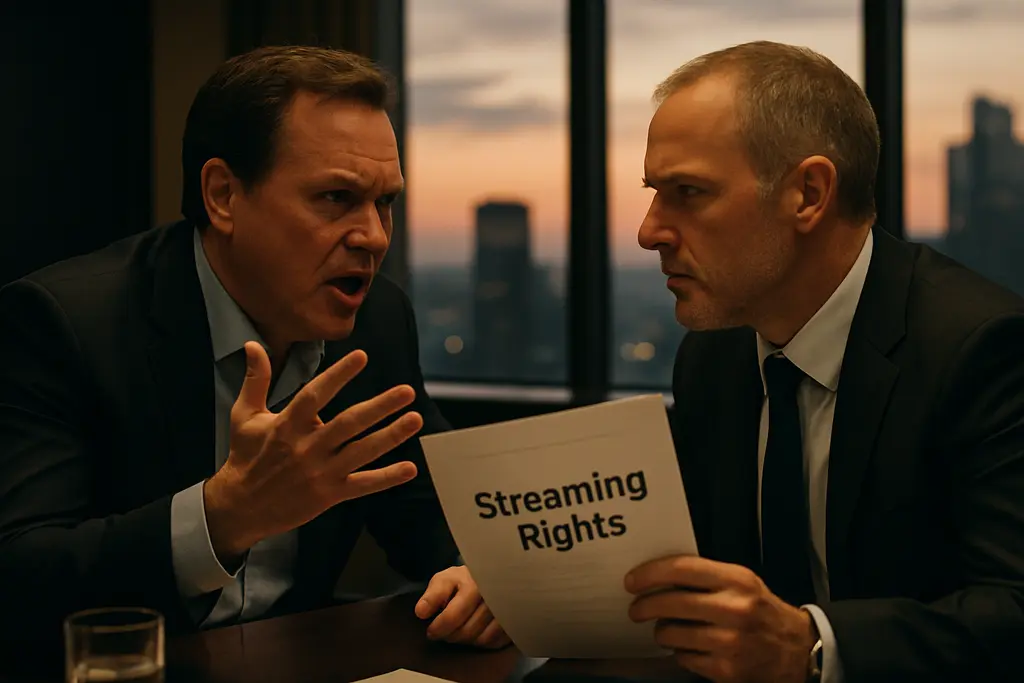


Confirmed: Netflix Licensing Deals announced on July 7, 2026, marked a clear distribution shift for the service, which added publisher-made entertainment, food, travel, fashion, home, celebrity interview, and lifestyle videos in six English-language markets beginning on August 3, 2026. Netflix framed the move as a way to keep subscribers engaged with stories and personalities beyond the end of main shows, with partners including Condé Nast, Hearst, People Inc., Penske Media/PMX, BuzzFeed Studios, and Tastemade, according to TheWrap.
Market-analysis: The timing matters because Netflix has been pushing beyond the long-form series and film model that defined its earlier streaming identity. The company has also been testing or expanding live events, podcasts, video games, and a vertical video Clips feed inside its mobile app, based on the research supplied for this analysis. The publisher deals fit that broader pattern: more short-session content, more casual viewing moments, and more reasons for members to open Netflix when they are not ready to commit to an episode or movie.
Why Netflix Licensing Deals Changed The Feed
Netflix Licensing Deals And Shorter Viewing Habits
Confirmed: The licensed publisher videos were described in the research as running from 3 to 20 minutes, with topics such as fashion trends, home and gardening tips, celebrity interviews, travel inspiration, and cooking ideas. That length range is not incidental. It places Netflix closer to the kind of low-friction viewing that audiences already know from social platforms, YouTube, and publisher sites, while keeping the content inside Netflix’s subscription environment.
Market-analysis: Netflix Licensing Deals may help the platform fill a gap between prestige attention and casual attention. A subscriber may not start a full drama episode during lunch, while commuting, or while checking a phone between tasks. A short food segment or travel clip asks for less commitment. That can increase app openings and time spent without needing every viewing session to be driven by a headline series.
That does not mean the strategy is guaranteed to change audience behavior at scale. Short-form publisher content has different viewer expectations than scripted drama, reality competition, or live events. The cultural question is whether Netflix can make lifestyle clips feel like part of its service identity rather than filler placed between bigger titles. If the clips surface near related series, talent, or themes, they may feel useful. If they appear detached from the rest of the catalog, viewers may treat them as background material.
How Publisher Brands Add Familiarity
Confirmed: The deal gave participating publishers access to Netflix’s audience of more than 300 million paid memberships worldwide as of July 2026, according to TheWrap. For publishers, that is distribution into one of the largest paid streaming audiences. For Netflix, the gain is different: it imports brands that already have editorial identities in fashion, entertainment, food, and lifestyle culture.
Market-analysis: That familiarity could reduce discovery friction. Viewers may not know every new Netflix unscripted title, but they may recognize a publisher style or a recurring interview format. Lifestyle media often builds trust through habit. Recipes, home tips, fashion explainers, and celebrity interviews rely less on plot memory and more on repeatable tone. That makes them useful for a service trying to keep engagement alive between major release cycles.
This is also where the strategy connects to fandom without depending on rumor or private-life attention. Celebrity interviews, fashion coverage, and entertainment clips can extend a viewer’s attachment to screen culture when handled as professional media content rather than gossip. For readers keen on metrics and multimedia trends within the streaming world, a broader perspective on streaming strategy can be found on Internet Video Mag, offering insights into how platforms adapt short-form viewing for diverse audience habits.
What The Ad Tier Adds To The Strategy
Confirmed Reach Gives The Move Commercial Weight
Confirmed: In May 2026, Netflix said its ad-supported tier reached 250 million monthly active viewers worldwide, up from 190 million in November 2025, and said more than 80% of ad-viewing members watched ads weekly, according to Variety Australia. Those figures explain why publisher video is not only a programming experiment. It is also an advertising-context experiment.
Market-analysis: Short lifestyle clips can create more ad-friendly moments because they often sit near categories advertisers already understand: food, travel, home, fashion, entertainment, and consumer culture. That does not automatically make the inventory more valuable. Buyers still care about measurement, completion, frequency, attention, and brand safety. Yet the content categories are commercially legible in a way that some darker scripted dramas or polarizing documentary subjects may not be.
The ad-tier figures also suggest that Netflix is no longer treating advertising as a side product. If a large share of ad-viewing members are seeing ads weekly, then the service needs programming that can support repeat advertising without making viewers feel that every session must be a major viewing commitment. Publisher clips may serve that need because they can be watched in clusters or used as quick stops inside the app.
Market-analysis: Measurement will shape how seriously advertisers take this shift. TrueRealTV has examined how Nielsen methodology changes can affect streaming ad strategy, and the same issue applies here. If short-form publisher content adds daytime or mobile engagement, the industry will need reliable ways to compare that attention with traditional episode viewing.
Mobile And Daytime Viewing Are The Real Test
Confirmed From Research Notes: Netflix executives said lifestyle and publisher videos, along with video podcasts, tend to over-index for mobile devices and daytime viewing. That claim matters because it points to incremental engagement rather than simple substitution. In plain terms, Netflix appears to be testing whether these videos can add sessions that would not otherwise happen.
Market-analysis: The distinction between additive viewing and cannibalized viewing is central. If a viewer watches a five-minute cooking clip at noon and still watches a drama at night, Netflix gains a new engagement window. If that viewer replaces higher-value long-form viewing with scattered clips, the benefit is less clear. The company’s own framing suggests it wants the first outcome: more daily touchpoints, not less commitment to flagship shows.
There is a cultural implication as well. Netflix helped train audiences to think of streaming as an on-demand library for shows and films. These deals push Netflix closer to a mixed media service where a member might encounter a travel idea, a fashion segment, a celebrity interview, a podcast clip, and a prestige series in the same app. That can make the service feel more present across the day, but it may also blur what viewers expect Netflix to be.
Audience Engagement Beyond Hit Series

Engagement Pressure Between Seasons
Confirmed From Research Notes: Netflix reported softer engagement signals during its Q2 2026 reporting, including lower viewing hours per member and drop-offs between seasons for some major titles. The research notes cited examples in which later seasons of major shows lost roughly half or more of their first-season audience. Those figures should be handled cautiously without overreading any one title, but they point to a familiar streaming problem: hits are expensive to create, and audience memory can fade between seasons.
Market-analysis: Netflix Licensing Deals respond to that pressure by offering connective tissue. A viewer who finishes a lifestyle-adjacent reality series, a food competition, a travel program, or a celebrity-driven unscripted title may be served related publisher clips. That does not replace the next season. It keeps the app relationship warmer while the larger franchise is absent.
This is not the same as building a direct sequel or spin-off. Publisher videos are lower-stakes extensions of attention. They can remind audiences of topics they like without asking Netflix to greenlight a full season every time an interest spikes. For viewers, the value depends on whether the recommendations feel relevant. For Netflix, the value depends on whether those small sessions reduce disengagement during quiet periods.
Fandom Without Overheating The Conversation
Opinion: The most promising part of this strategy is also the part that needs restraint. Netflix said the deals were meant to deepen fandom, but fandom can be fed in constructive or exhausting ways. Lifestyle clips can add context, craft, taste, and personality around entertainment culture. They can also become repetitive promotional noise if every clip is treated as a marketing attachment.
The difference will be editorial quality. A useful fashion segment tied to a period drama, a cooking idea tied to a food series, or a travel clip tied to a destination program can expand the viewer’s sense of the show’s world. A thin celebrity segment that adds no context may not build loyalty. Audience engagement is not only about time spent. It is about whether viewers feel the service respects their interests.
Market-analysis: This is where publisher partners bring both opportunity and risk. They know how to produce repeatable digital formats, but Netflix has to integrate that work into a streaming interface built around recommendation and retention. If the app can place these videos where they make cultural sense, the deals may help audiences move more naturally between entertainment, lifestyle, and fandom.
What Netflix Licensing Deals Mean For Engagement
Market-analysis: Netflix Licensing Deals should be read as a distribution adjustment, not a replacement for the company’s main programming engine. The service still depends on major series, films, unscripted franchises, and live events to define its cultural profile. The publisher content is more likely to affect the margins of engagement: daytime use, mobile sessions, ad-supported inventory, and the space between big releases.
The August 3, 2026 rollout also showed how Netflix is thinking across markets that share language and publisher familiarity: the U.S., Canada, the U.K., Ireland, Australia, and New Zealand. That scale gives the test enough room to matter, while still keeping it within a defined group of territories. If viewer behavior varies by market, genre, or device, Netflix will have evidence to adjust placement and licensing choices.
For audiences, the immediate effect is simpler. Netflix became a little less like a pure premium video shelf and a little more like an all-day entertainment app. That may suit viewers who want quick, familiar, low-pressure clips. It may frustrate subscribers who prefer the service to stay focused on films and series. The key question is not whether lifestyle publisher videos belong on Netflix in theory. It is whether they help viewers find useful, enjoyable, and culturally relevant material without crowding out the programming that brought them there.