


The McBee Dynasty: Real American Cowboys Season 3 is not using family tension as background noise. Bravo is placing the McBee family’s ranch, relationships, new babies, engagement plans, business pressure, and Steve McBee Sr.’s federal prison sentence into the same narrative frame. That combination turns a family-reality show into something closer to a legal-drama pressure cooker, where every personal milestone is shadowed by the consequences of a real court case.
The season returned to Bravo in June 2026 and continues with new episodes on Monday nights, with episodes available next day on Peacock. That schedule matters because Season 3 is airing after Steve McBee Sr. had already begun serving a 24-month federal prison sentence linked to crop insurance fraud. The show’s family drama is no longer only about romantic arguments, succession tension, or ranch economics. It is about how a televised family business absorbs the absence of its central patriarch while the cameras keep following the people left to hold the brand, the land, and the family image together. Bravo’s own Steven McBee Sr. legal timeline gives the season a factual backdrop that is heavier than a standard reality-TV feud.
Why Season 3 Feels Different From A Standard Bravo Family Show
Bravo has a long history of turning family systems into television: marriages, siblings, parent-child pressure, business inheritance, household loyalty, and public embarrassment. The McBee Dynasty fits that tradition, but Season 3 changes the weight of the formula because the legal story is not a rumor, a reunion accusation, or a social-media argument. It is a federal case with a sentence, restitution, supervised release, and a real absence from the family’s daily life.
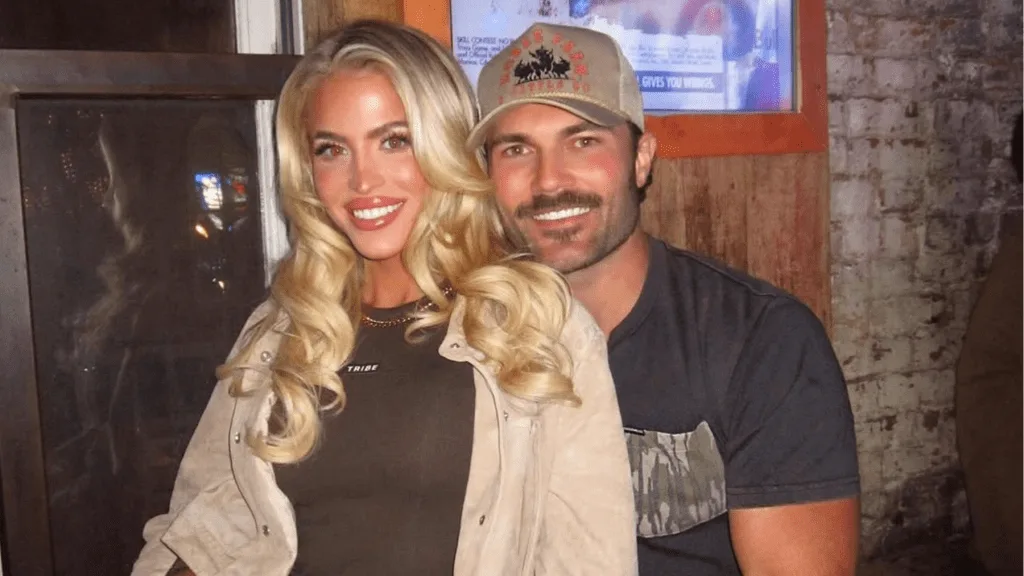
That makes the season structurally different from Bravo shows where conflict resets after a dinner fight. Steve McBee Sr.’s legal situation cannot be edited away by the next group scene. It affects the ranch’s leadership, the sons’ emotional responsibilities, and the way the family presents itself to viewers. When a patriarch’s court case becomes part of the televised family story, every later scene gains an extra layer.
The show still carries familiar Bravo ingredients. There are relationship tensions, major life events, business disagreements, and cast members whose loyalties are tested in public. Cole McBee and Kacie Adkison’s engagement, Jesse and Alli McBee’s growing family life, Steven McBee Jr.’s relationship dynamics, and Galyna Saltkovska’s role around the business all give the season personal movement. The difference is that those plotlines now sit inside a season framed by sentencing, separation, and public accountability.
That is why Season 3 feels more pressurized than a typical family-reality arc. The McBees are not only trying to make good television. They are trying to keep a family narrative coherent after a legal outcome changed the show’s center of gravity.
What Steve McBee Sr.’s Case Adds To The Reality-TV Stakes
The legal facts behind Season 3 are specific. In November 2024, Steve A. McBee pleaded guilty in federal court in Kansas City, Missouri, to one count of federal crop insurance fraud. The U.S. Attorney’s Office for the Western District of Missouri said McBee provided false information tied to federal crop insurance benefits and admitted to a scheme that caused more than $4 million in losses. The Justice Department guilty plea announcement gives the case its official legal basis.
In October 2025, McBee was sentenced to 24 months in federal prison and ordered to pay $4,022,124 in restitution, according to People’s reporting from court records. People also reported that he was ordered to serve two years of supervised release after prison. He self-surrendered in December 2025 to begin his term at a federal prison camp in Yankton, South Dakota.
Those facts matter for the show because they shift the audience’s reading of the family business. Viewers are no longer watching only a ranching family manage ambition, romance, and generational tension. They are watching a business-family brand under a cloud of documented fraud, public embarrassment, and economic strain.
That does not mean the series becomes a courtroom show. It still operates as Bravo reality TV. The difference is that the legal case gives every family disagreement a sharper context. A dispute over leadership is no longer only about ego. A business worry is no longer only about ranch risk. A wedding plan, pregnancy update, or romantic proposal is no longer only a personal milestone. Each scene carries the question of how the family moves forward after a sentence that changed its public identity.
How Cole And Kacie’s Proposal Became More Than A Romantic Moment
The July 6, 2026 episode, “Love And War,” shows why Season 3’s formula works as emotional pressure. Decider described the episode as centering on Cole McBee’s proposal to Kacie Adkison, with Steve McBee Sr. making a surprise on-screen appearance during that moment. People reported that this marked Steve Sr.’s first on-screen appearance in Season 3 since beginning his prison sentence.
In a normal reality episode, an engagement scene is designed as a payoff: family gathers, the ring appears, the proposal lands, and the audience is invited to feel relief. In Season 3, Cole’s proposal carries another function. It becomes a family milestone squeezed into a period of legal and emotional disruption. Cole’s decision is not framed only by love. It is framed by time, absence, and the desire to include his father before the family structure changes further.
People’s report said Cole proposed with family present, including Kacie and several McBee relatives, and that the moment came after legal turmoil and business pressure had delayed parts of his personal life. Decider’s McBee Dynasty episode coverage placed the proposal alongside other episode tensions, including Allie’s concerns about her relationship with Kacie and a confrontation involving Galyna Saltkovska and Masha Petrova.
That is Bravo’s family-reality formula working under higher stakes. The proposal is not isolated from the rest of the season. It is another place where the family’s public image, private grief, relationship future, and show structure collide.
Why The Ranch Setting Makes The Legal Story Feel Bigger
The Gallatin, Missouri ranch setting gives The McBee Dynasty a different texture from Bravo shows built around restaurants, yachts, luxury homes, or coastal social circles. Farming and cattle operations are tied to land, family labor, debt, weather, equipment, and long-term inheritance. When a legal case hits that kind of family business, it does not feel abstract. It feels like a threat to continuity.
That is why Season 3’s legal-drama quality is more than a tabloid hook. The show is built around McBee Farm & Cattle Co. and the sons’ roles inside the family operation. Steve Sr.’s prison sentence affects the family’s emotional center, but it also raises questions about leadership, trust, and the pressure on the next generation.
Reality TV often turns work into scenery. In this case, the work setting helps explain why the family tension feels structural. The ranch is not only a backdrop for confessionals. It is the thing everyone is trying to preserve, inherit, manage, or define themselves against.
That also gives Bravo a clear contrast with glossy reality franchises. The McBees’ world is visually rural and business-heavy, but Season 3 still follows familiar reality-TV story mechanics: romance, rivalry, loyalty tests, explosive conversations, and status anxiety. The legal case makes those mechanics feel less performative because the consequences are already public.
TrueReal TV has covered how reality franchises increasingly rely on bigger real-world stakes, from streaming platform experiments to competition casting. That same lens applies to Bravo’s mobile-first reality strategy, where format, platform, and audience behavior shape how conflict is packaged.
How Season 3 Balances Sympathy, Accountability, And Entertainment
The hardest creative challenge for Season 3 is tone. A family-reality show wants viewers to connect with the cast, but a season built around a federal fraud case cannot treat the situation as only personal hardship. The show has to balance sympathy for family disruption with acknowledgment that the legal outcome came from admitted wrongdoing.
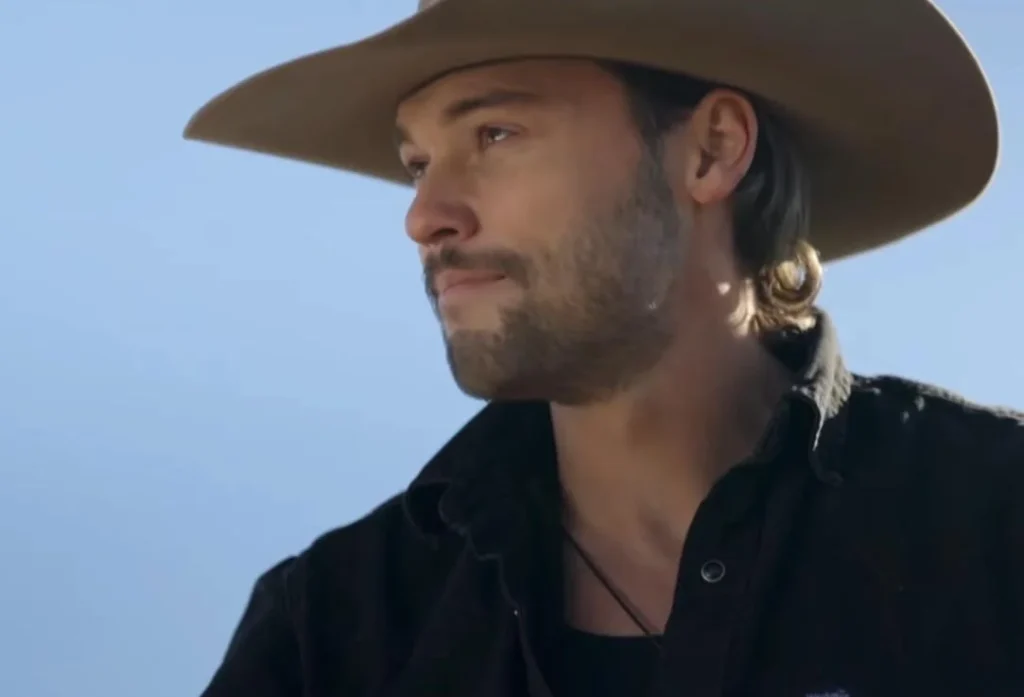
That is a delicate line. Steve McBee Sr. may be shown as a father, grandfather, rancher, and family figure, but the case itself involves federal crop insurance fraud. The series can show how his sons and loved ones cope with the fallout, yet it should not turn the sentence into only a victimhood storyline. Viewers are capable of holding both ideas at once: a family can be hurting, and the legal case can still represent real accountability.
That tension is part of why Season 3 feels more serious than a normal Bravo family dispute. The McBees are navigating damage to reputation, business trust, family stability, and personal milestones. Cole and Kacie’s engagement may feel hopeful, but it plays against the uncertainty of Steve Sr.’s prison term. Steven Jr.’s business and relationship choices may feel like standard Bravo conflict, but they now carry the added question of who can lead when the patriarch is gone.
A season like this also forces entertainment coverage to be careful. The responsible angle is not to sensationalize the crime or turn the family into a spectacle. The stronger angle is to explain how Bravo packages real legal fallout inside a family-reality format that still needs weekly drama, emotional access, and forward movement.
What The McBee Dynasty Shows About Bravo’s Modern Family-Reality Formula
Bravo’s family-reality formula has changed. Older versions of the format often centered on lifestyle access: homes, businesses, weddings, parties, and arguments inside a recognizable social world. Newer versions work harder when the family story intersects with real institutions: courts, banks, platforms, production schedules, public records, and online audiences.
The McBee Dynasty Season 3 is part of that shift. The show is still built to entertain, but the legal case gives it a documentary-adjacent spine. Viewers are not watching invented stakes. They are watching real consequences get folded into a reality structure.
| Season 3 Pressure Point | Reality-TV Function | Why It Changes The Show |
|---|---|---|
| Steve McBee Sr.’s prison sentence | Central family disruption | Gives the season a real-world legal anchor |
| $4,022,124 restitution figure | Financial pressure | Makes business tension feel larger than normal drama |
| Gallatin, Missouri ranch setting | Family-business identity | Ties personal conflict to land, work, and inheritance |
| Cole and Kacie’s engagement | Emotional milestone | Adds hope during a season built around fallout |
| Bravo and Peacock distribution | Franchise reach | Keeps the story active across cable and streaming |
The family-reality hook is still present, but it is no longer enough on its own. Season 3 asks viewers to watch a family move through public consequences while still delivering the rhythms Bravo audiences expect. That tension is what makes the season compelling and uncomfortable at the same time.
Why This Season Could Redefine The Show’s Identity
Season 3 may end up defining what The McBee Dynasty is beyond its first impression. A series that began as a ranch-family reality show now has to decide whether it is a business survival story, a sons-step-up story, a redemption story, a legal-fallout story, or some combination of all four.
That decision matters for the show’s future. If the season leans too hard into sympathy without accountability, it risks feeling evasive. If it leans too hard into legal spectacle, it risks losing the family texture that makes the cast watchable. The strongest version sits between those poles: a family under pressure, a business in transition, and a reality franchise trying to show what happens when a patriarch’s choices reshape everyone else’s path.
Bravo’s advantage is that it knows how to build character through conflict. Season 3 gives the network a sharper test than usual. The McBee sons must become more than supporting figures around Steve Sr. Cole, Jesse, Steven Jr., and Brayden now carry more of the emotional and business narrative. Kacie, Alli, Galyna, and other cast members also become more central because the family system is being rebalanced.
That is what makes the season a legal-drama pressure cooker. The sentence happened in the real world, but Bravo’s job is to show how that pressure travels through the household, the ranch, the couples, and the audience’s trust.
Why The McBee Dynasty Now Has Higher Stakes Than Family Drama Alone
The McBee Dynasty Season 3 shows how reality TV changes when the stakes cannot be confined to the edit. Steve McBee Sr.’s legal case gives Bravo a story that is public, documented, and consequential. The family’s personal milestones give the season emotional movement. The ranch gives the story a physical and economic center. Peacock gives the show a wider streaming afterlife.
That mix is exactly why the season feels different from ordinary family reality. A legal case does not automatically make a show deeper, but it can make the audience read every scene more carefully. Who is taking responsibility? Who is trying to move forward? Who is protecting the family image? Who is actually carrying the business? Who benefits from keeping the cameras rolling?
Season 3 turns those questions into the show’s real engine. The McBee family can still deliver Bravo-style fights, proposals, babies, business stress, and relationship shifts. This time, though, each one sits under a larger shadow. The result is a season where the drama is not only about who said what at the ranch. It is about whether a televised family can turn legal fallout into a new chapter without losing the trust that made viewers care in the first place.