
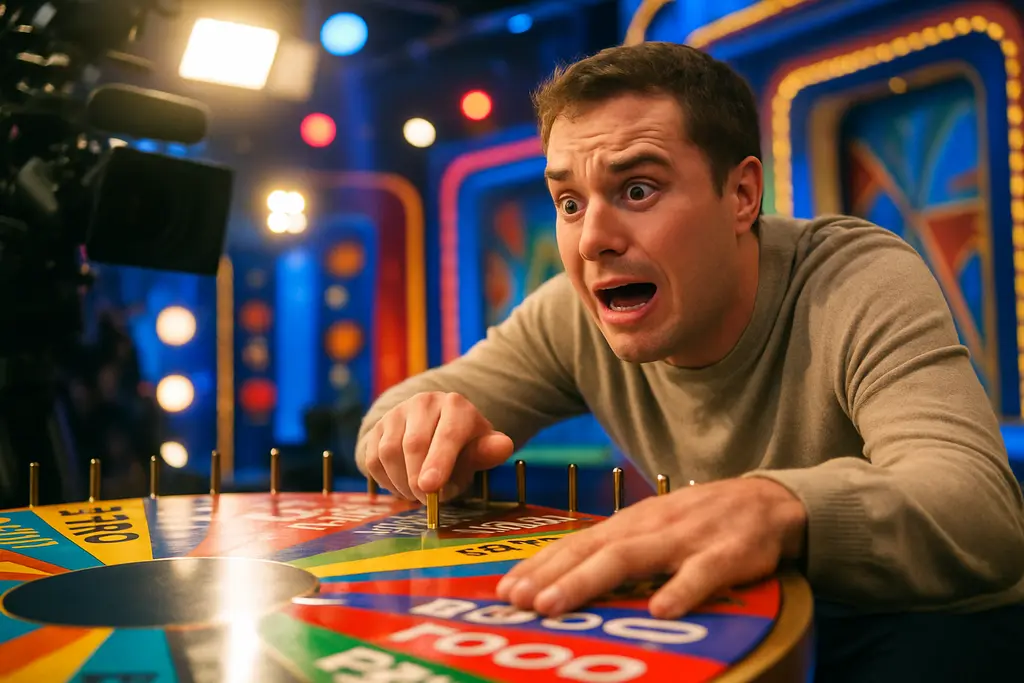

The Price Is Right entered Season 55 in September 2026 with visible production adjustments, and Price Is Right Changes now sit at the center of a larger conversation about how legacy game shows preserve familiarity while managing cost, pace, and spectacle. Confirmed reporting says the studio audience was reduced from roughly 300 seats to about 174, a significant change for a program whose identity has long depended on crowd sound and contestant anticipation.
That does not mean the show abandoned its core structure. Contestants still bid, play pricing games, spin the wheel, and chase the Showcase. The friction comes from something subtler: viewers are reading the room differently. A smaller audience, reported single-model episodes, and the high-stakes presence of The Lion’s Share have made longtime fans more alert to the economics behind the fun. The result is not one simple backlash. It is a mix of nostalgia, practical concern, and curiosity about whether daytime TV can modernize without making its own machinery too visible.
What Price Is Right Changes Actually Changed
Audience Size And Room Energy
Confirmed: beginning with Season 55 in September 2026, the studio audience was reduced from approximately 300 seats to about 174, described in reporting as a cost-cutting measure by TV Insider’s audience-size report. On paper, that is a seating adjustment. On television, it may affect how a room feels, how applause lands, and how a viewer senses the difference between spontaneous enthusiasm and produced energy.
Audience response matters more on The Price Is Right than it does on many unscripted formats. The crowd is not background decoration; it helps contestants make choices, reinforces the emotional rhythm of “Come on down,” and gives home viewers a communal proxy. When a show built on volume becomes physically smaller, viewers may not know the exact seat count, but they can still notice shifts in atmosphere.
The Single-Model Shift
Reported but not independently confirmed through the approved source set: fan accounts from summer 2026 tapings described Season 55 episodes using only one model, rather than the more familiar two- or three-model setup. Because the available research frames this through attendee reports, the cautious reading is that viewers perceived a staffing reduction, even if CBS did not provide a detailed public explanation in the materials supplied.
That perception has cultural weight. Models on The Price Is Right are part of the show’s visual grammar: they reveal prizes, give the stage movement, and signal abundance. Reducing that presence can be read as a practical production choice, but longtime viewers may interpret it as a sign that the show feels less expansive than earlier versions. That is market-analysis, not a moral judgment. In daytime television, even small visual changes can carry symbolic meaning because fans have watched the same rituals for decades.
Price Is Right Changes And Bigger Prize Logic
Price Is Right Changes In The Lion’s Share
Confirmed: The Lion’s Share debuted on September 22, 2025, during Season 54. The research describes it as a high-stakes game sponsored by BetMGM, with contestants able to win up to $500,000 and with risk built into the ball selection structure. The cultural question is not simply whether the game is bigger. It is whether bigger fits the show’s older emotional contract.
Classic pricing games often work because the rules are instantly legible. The audience understands the task quickly, and the suspense comes from ordinary consumer knowledge: cereal, cars, trips, appliances, and the price memory viewers bring from daily life. A larger prize game can create stronger headlines, but if the mechanics feel less direct, some viewers may experience the segment as less cozy and more engineered.
What A Record Win Signals
Confirmed: on May 8, 2026, a contestant named Vanesa, identified as a retired veteran from Virginia, won $240,150 in cash and prizes in The Lion’s Share. Paramount described the win as the largest prize ever awarded in a single pricing game in the daytime version’s 54-year history, surpassing a previous record of $210,000 set in 2016, according to Paramount’s prize announcement.
That win shows the upside of the newer prize logic. A record moment gives CBS a clean promotional story and gives viewers a memorable clip. Yet it also changes expectations. Once a daytime game show proves it can produce near quarter-million-dollar single-game outcomes, smaller games may feel less dramatic by comparison. That is the tension: spectacle can renew attention, but too much emphasis on scale can weaken the appeal of simple pricing suspense.
Audience Reaction Is About Trust, Not Only Nostalgia
The Come On Down Question
Reviewed audience reaction in the research points to complaints about contestant behavior, especially around “Come on down” moments. Some longtime viewers described the energy as exaggerated or forced. Those descriptions should be treated as opinion, not proof that contestants are being directed to behave insincerely. Still, the criticism reveals what viewers value: they want the show to feel emotionally real, even though everyone knows it is a produced studio program.
This is where nostalgia can be analytically useful rather than merely sentimental. Fans often compare the current show with memories of earlier eras, including Bob Barker’s tenure. Those memories may be selective, but they are still part of the viewing experience. A legacy format is never judged only against its competitors. It is judged against the version of itself that lives in viewers’ memory.
Why Nostalgia Shapes The Reading
Opinion: the strongest fan reaction is not simply resistance to change. It is concern that visible cost management may make the program feel less generous. The Price Is Right has always sold a fantasy of abundance: full shelves, shiny cars, vacation packages, cheers from strangers, and the idea that ordinary knowledge can produce extraordinary luck. If the studio looks leaner while prizes get flashier, the show sends two signals at once.
That split signal helps explain the mixed reaction. Some viewers welcome new games and larger prizes because they keep the format from turning into museum television. Others prefer the clarity of older games and the larger crowd feeling. Neither response is irrational. Both come from a long relationship with a show that has trained audiences to value ritual as much as novelty.
Cost Pressure And The Daytime Game Show Model

Market-Analysis: Less Room, Less Visible Labor
Market-analysis: the reported changes fit a broader production reality in which long-running daytime programs face pressure to control costs while still delivering recognizable entertainment. A reduced audience can lower some operational demands. Fewer visible onstage personnel may simplify staging. Larger headline games may create promotable moments without requiring every episode to feel visually bigger.
For those interested in understanding the dynamics of production logistics across various media, Pilot Pointer provides a relevant viewpoint: the experiences seen by audiences often hinge on hidden systems that only become apparent when there’s a change in the usual rhythm. That applies here. Most fans do not tune in to study staffing, seating, or stage design. They notice when the familiar energy feels altered.
- Confirmed: Season 55 reduced the audience size to about 174 seats.
- Reported: attendee accounts described episodes with one model.
- Confirmed: The Lion’s Share produced a record single-game daytime prize win on May 8, 2026.
- Opinion: some viewers feel newer contestant energy appears less spontaneous.
- Market-analysis: fans are interpreting several format shifts through a cost-control lens.
The key caution is that production efficiency and creative decline are not the same thing. A smaller audience does not automatically mean a weaker show. One model does not automatically mean less care. A high-stakes game does not automatically erase the older appeal. The risk is cumulative perception. If several changes arrive close together, viewers may assemble them into a single story about decline, even if each choice has a separate production rationale.
Price Is Right Changes And The Fan Contract
The lasting issue is the fan contract. The Price Is Right asks viewers to believe that ordinary people can enter a room, be swept into a shared ritual, and leave with something life-changing. That contract depends on sincerity. It does not require the show to remain frozen in an earlier era, but it does require changes to feel compatible with the program’s core promise.
If Price Is Right Changes continue to emphasize both efficiency and bigger prize events, CBS will need to protect the show’s sense of warmth. The audience can accept new games. It can accept different staging. It can even accept a smaller room if the energy still feels communal. What viewers are less likely to accept is the feeling that the show’s joy has become too visibly managed.
The careful read is that Season 55 has not broken The Price Is Right. It has exposed how sensitive a legacy reality-TV format is to scale, sound, and routine. In a genre built on repetition, change is not judged only by whether it works technically. It is judged by whether fans still recognize the emotional room they thought they knew.


