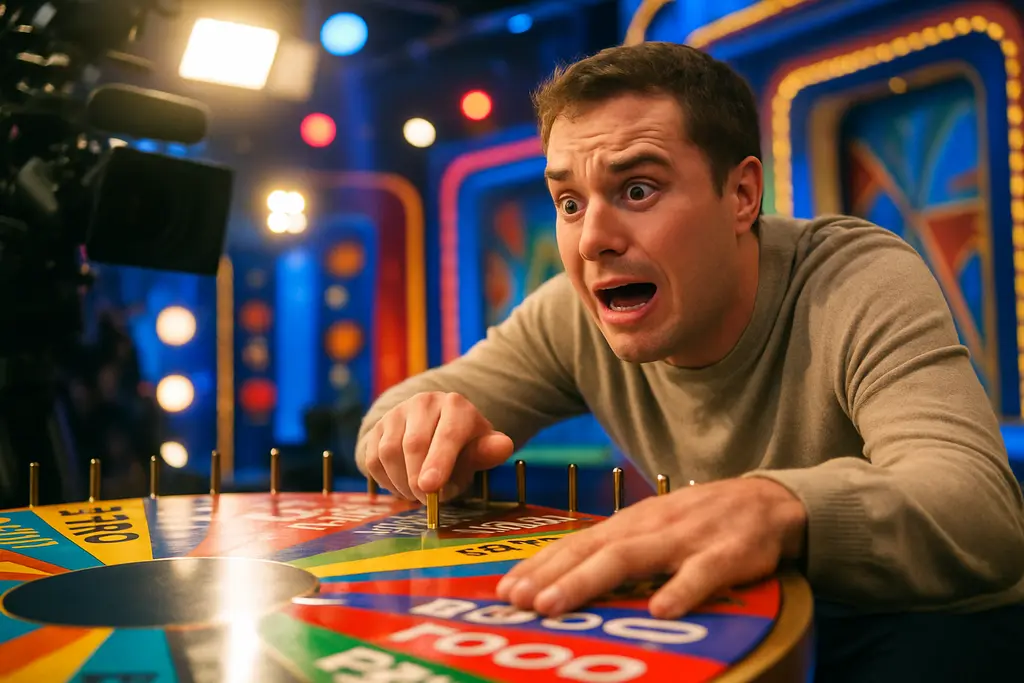


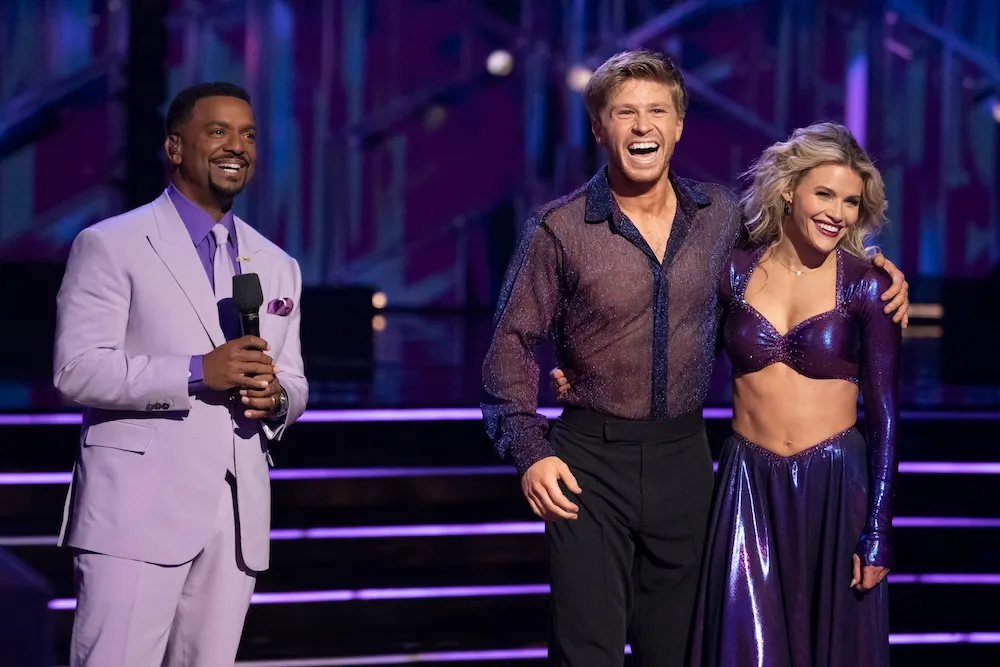
Dancing with the Stars: The Next Pro gives ABC a smart summer extension of one of its most durable entertainment brands. The new competition series premiered July 13, 2026, at 8 p.m. ET/PT on ABC, with episodes streaming next day on Disney+ and Hulu. Hosted by Robert Irwin, the Season 34 Dancing with the Stars Len Goodman Mirrorball champion, the spinoff follows 12 up-and-coming dancers living together and competing through a high-pressure audition process for one professional dancer spot on Season 35 of Dancing with the Stars.
That setup turns the ballroom franchise into reality-TV apprenticeship. The main show usually presents professional dancers as polished experts who already know how to teach, choreograph, support celebrities, handle rehearsal-room emotion, and perform live under pressure. The Next Pro reverses that frame. It asks viewers to watch the training ground before the spotlight. The prize is not cash, a record deal, or a trophy. The prize is entry into the franchise’s professional class. ABC’s official Dancing with the Stars: The Next Pro announcement makes that pathway clear: 12 dancers compete for a coveted pro spot on Season 35.
Why The Spinoff Makes The Pro Dancer The Star
The smartest part of The Next Pro is that it puts the professional dancer at the center of the story. On the flagship Dancing with the Stars, celebrities often drive the preseason headlines. The pro dancer becomes teacher, choreographer, emotional translator, partner, and public-facing strategist, but the celebrity name usually brings the first wave of attention.
This spinoff changes that order. The dancers are not supporting players. They are the cast. ABC is asking viewers to care about technique, presence, personality, adaptability, and teaching potential before a celebrity partner ever enters the room. That makes the series useful for longtime fans who already understand how important the pros are to the main show’s success.
The premise also gives ABC a cleaner way to educate casual viewers. A strong DWTS pro is not only the best dancer in the room. The job requires patience, story sense, choreography under time pressure, emotional intelligence, camera awareness, and the ability to make another person look better. Robert Irwin told Decider that contestants must be more than the “best dancer” because they have to be everything for their partner. That quote captures the spinoff’s main argument: this is not just a dance contest. It is a job interview for a reality-TV role that mixes performance, coaching, and personality.
By making the audition visible, The Next Pro turns professionalization into entertainment. Viewers get to judge who looks ready for the ballroom, who has charisma, who can handle feedback, and who might become a long-term franchise asset.
How Robert Irwin Gives The Show A Fan-Friendly Host
Robert Irwin is a useful host because he connects the spinoff to recent Dancing with the Stars emotion without making the show feel like a technical dance seminar. He won Season 34 with Witney Carson, which gives him current franchise credibility. He also brings a warm public identity from wildlife conservation, family television history, and his connection to Australia Zoo.
That matters because The Next Pro has to balance two audiences. Hardcore dance fans may care about footwork, frame, rhythm, and technique. Casual ABC viewers may care more about personality, stakes, humor, and growth. Irwin can help bridge those groups because he recently lived the celebrity-contestant experience that future pros will have to guide.
The host choice also fits the show’s apprenticeship framing. Irwin is not presented as the dance authority. Mark Ballas, Shirley Ballas, and rotating guest judges fill that lane. Irwin’s job is to translate the pressure, keep the tone bright, and remind viewers what a pro must give a celebrity partner emotionally. That makes him less of a detached presenter and more of a recent graduate speaking to the next class.
The result is a softer entry point for a show that could otherwise feel inside-baseball. The Next Pro is about professional standards, but it still has to feel like entertainment. Irwin helps keep the series accessible.
Why Mark Ballas And Shirley Ballas Give The Apprenticeship Real Authority
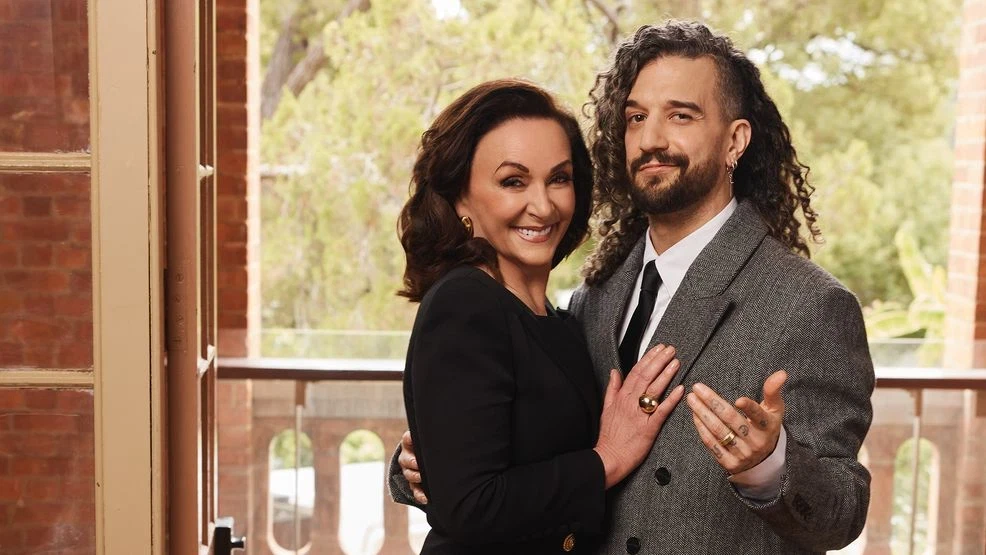
Mark Ballas and Shirley Ballas give the series its strongest credibility layer. Mark is a three-time Mirrorball champion and one of the most respected creative figures in the American Dancing with the Stars world. Shirley, known as “The Queen of Latin,” brings decades of ballroom authority and a major judging identity from Strictly Come Dancing in the United Kingdom.
Their mother-son judging dynamic also gives the show a built-in character relationship without forcing manufactured conflict. Mark understands the U.S. franchise from inside the pro lineup. Shirley understands ballroom standards from a broader competitive and judging tradition. Together, they can evaluate not only whether someone can perform a jive or samba, but whether that person can survive the demands of a televised teaching role.
ABC’s series-premiere release said the first episode, “The Journey Begins: Technique with Derek Hough,” tests jive and samba techniques, with Derek Hough joining Ballas and Ballas as guest judge and mentor. The official series premiere details point to the show’s weekly structure: specific skill tests, mentor input, and elimination pressure.
That structure matters because it turns the audition into a curriculum. The contestants are not only dancing for applause. They are being evaluated on skills that connect directly to the flagship job.
How The 12-Dancer Cast Creates A Reality-Competition House
The spinoff uses a familiar reality-TV engine: put talented people in one house, give them a high-value prize, and test them under pressure. ABC says the 12 dancers move into one house and compete through a demanding audition process. That house element is not incidental. It lets the show build relationships, rivalries, stress, insecurity, and peer comparison between performances.
This is where The Next Pro moves beyond a normal talent contest. A pure dance competition could simply show routines and scores. A reality apprenticeship series needs viewers to understand who can live under pressure, who can adapt after criticism, who supports competitors, and who becomes difficult when the stakes rise.
The cast list gives the format range. Entertainment coverage has identified contestants including Benjamin Castro, Allen Genkin, Selena Hamilton, Natalie Jolley, Erik Linder, Nina Mayster, Jake Monreal, Briar Nolet, AJ Pritchard, Tristen Sanders, Stephani Sosa, and Adele Zaikman. Their backgrounds span ballroom, Latin, commercial dance, touring, competition experience, teaching, and prior television exposure. That gives the show a clear mix of polished specialists and performers who may have to prove they can translate skill into television partnership.
| Apprenticeship Test | Why It Matters For DWTS | Reality-TV Value |
|---|---|---|
| Technique | Pro dancers must perform cleanly and teach clearly | Gives judges measurable standards |
| Storytelling | Celebrities need routines that create emotional arcs | Lets viewers connect beyond steps |
| Partner Support | The pro must build confidence under pressure | Creates rehearsal-room drama |
| Adaptability | Weekly themes and celebrities change the assignment | Rewards growth and resilience |
| Camera Presence | Pros become recurring TV personalities | Helps ABC find a franchise face |
That table is the real purpose of the spinoff. ABC is not only searching for a dancer. It is testing whether a dancer can become a television professional.
Why The Format Works As A Bridge To Season 35
The Next Pro is also a long runway for Dancing with the Stars Season 35. The winner earns a pro dancer spot on the next season, which gives the summer spinoff a direct consequence. Viewers are not only watching a side competition. They are watching the hiring process for the flagship show.
That makes the spinoff a promotional machine with story stakes. By the time Season 35 premieres, the winning pro will not be a stranger. Fans will know their strengths, weaknesses, personality, and journey. That gives ABC a built-in narrative before the new celebrity cast fully takes over the conversation.
TrueReal TV has already tracked how Dancing with the Stars is using casting and platform strategy to keep the franchise current, especially around viral personalities and cross-platform audience behavior. The spinoff deepens that strategy by turning the professional lineup itself into a story engine, much like our earlier analysis of Dancing with the Stars Season 35 casting.
The timing helps. Summer unscripted programming gives ABC a way to keep the DWTS brand active before the fall flagship season. Weekly episodes on ABC, plus next-day streaming on Disney+ and Hulu, allow the show to reach both linear viewers and streaming catch-up audiences.
In franchise terms, that is efficient. One spinoff can fill summer programming space, introduce a new pro, deepen fan loyalty, and promote the next main season.
Why The Show Fits Disney’s Reality Franchise Strategy
Disney and ABC are treating unscripted brands more like connected ecosystems. Dancing with the Stars now lives across ABC, Disney+, Hulu, social clips, casting announcements, touring, and franchise-adjacent content. The Next Pro gives that ecosystem another layer.
The spinoff also reflects a wider reality-TV trend: audiences want to see the machinery behind the main event. Competition franchises have learned that fans care about casting, training, judging, production pressure, and career stakes. A show about becoming a pro dancer taps directly into that appetite.
ABC’s official show page describes the premise simply: 12 dancers compete for a coveted pro dancer spot on Season 35. That clarity is valuable. Viewers know the goal immediately, and the goal connects to a show they already recognize.
It also gives Disney a cost-effective franchise extension. The sets, brand language, judges, former pros, and audience familiarity already exist. The new element is perspective. Instead of celebrities learning ballroom, aspiring pros learn what it takes to carry celebrities through ballroom television.
That inversion makes the format feel new without breaking the brand.
Why Apprenticeship Reality Is A Stronger Hook Than A Normal Spinoff
The word “spinoff” can sound secondary, but The Next Pro has a stronger hook because it is built around apprenticeship. Apprenticeship reality works when the viewer understands the job and believes the job is worth winning. Top Chef works because professional cooking has obvious stakes. Project Runway works because fashion careers are visible and competitive. The Apprentice once worked because corporate ambition was the premise.
For The Next Pro, the job is clear: become a Dancing with the Stars pro. The reward is not abstract. It is a role on one of television’s best-known ballroom franchises. That makes every criticism from Mark Ballas, Shirley Ballas, Derek Hough, and future guest judges feel connected to a real outcome.
The show also gives viewers a different emotional relationship to dance. Instead of simply asking whether a routine was beautiful, it asks whether the performer can be trusted with someone else’s journey. That is a more interesting question for reality TV because it blends talent with temperament.
A great solo dancer may not be a great pro. A technically clean performer may struggle to teach. A charismatic contestant may need more discipline. A quieter dancer may become the strongest partner. Those differences create the season’s tension.
What The Next Pro Means For The Future Of DWTS
Dancing with the Stars: The Next Pro suggests the franchise is thinking beyond celebrity casting. Celebrity names still matter, but the professional dancers are part of the brand’s emotional memory. Fans remember partnerships, choreography, rehearsal-room breakthroughs, and pro personalities almost as strongly as celebrity winners.
By making the next pro a televised decision, ABC gives fans a sense of ownership over the franchise’s future. The audience can debate who is ready, who is overhyped, who has teaching potential, and who best represents the next era of the ballroom. That kind of debate is valuable before Season 35 even begins.
The show also protects the main franchise from feeling static. A long-running competition series needs renewal points. New celebrities bring one kind of refresh. New pros bring another. A televised apprenticeship creates a cleaner handoff from old guard to new talent.
That is why The Next Pro is more than summer filler. It is a franchise-development tool disguised as a competition show. It gives ABC a new story, Disney+ and Hulu a next-day streaming title, longtime fans a deeper look at the pro role, and the flagship series a future cast member with a built-in origin story.
For Dancing with the Stars, the ballroom is no longer only where celebrities learn to dance. It is where the next generation of reality-TV professionals is being trained in public.