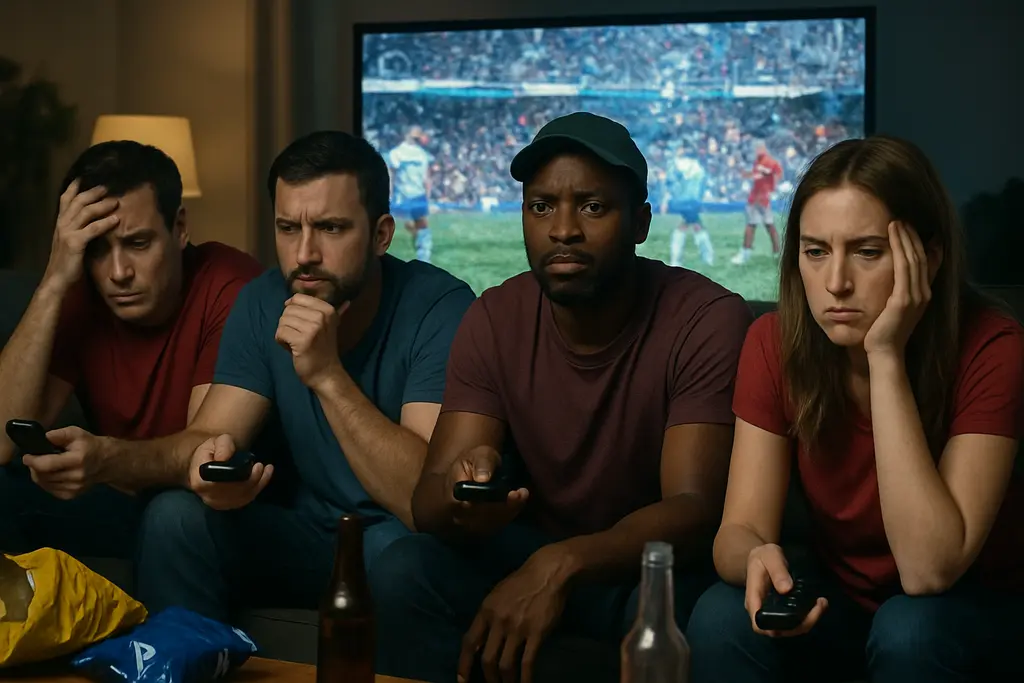

Content licensing challenges are no longer an industry-side contract issue that viewers can ignore. They now show up as missing channels, altered service value, higher perceived costs, and technical friction inside the devices people use for film, television, sports, and live events. Confirmed reporting around the October 30, 2025 Disney and YouTube TV dispute made that shift visible: Disney-owned networks including ESPN, ABC, FX, and NatGeo were pulled after a distribution contract expired without renewal, affecting more than 8 million YouTube TV subscribers, as Axios reported.
Market-analysis: the consumer lesson is simple but uncomfortable. A streaming subscription is not the same as ownership, and even a live-TV bundle can lose key programming when carriage terms fail. Viewers may experience the dispute as a sudden service problem, but the cause usually sits inside rights windows, distribution fees, exclusivity, and the bargaining power of media companies and platforms.
Why Content Licensing Challenges Feel Personal
Content Licensing Challenges And Blackout Shock
Confirmed: the Disney and YouTube TV blackout mattered because it disrupted familiar viewing habits at scale. For many households, ESPN, ABC, FX, and related Disney networks are not interchangeable catalog tiles. They carry live sports, broadcast programming, cable entertainment, and family-viewing brands that people often treat as part of the basic promise of a live-TV streaming package.
Market-analysis: this is why licensing disputes can feel more disruptive than a show quietly leaving a subscription library. A catalog loss may disappoint a specific audience. A channel blackout can interrupt daily routines. Viewers who subscribed for live sports, news-adjacent programming, scripted series, or family content may suddenly reassess whether the service still matches the reason they signed up.
A survey conducted shortly after the blackout found that nearly 25% of YouTube TV subscribers had already canceled or were considering canceling because the service no longer delivered the core content they wanted, according to TheWrap’s survey coverage. The figure should be read cautiously because stated intent is not always the same as completed churn. Still, it signals how quickly a licensing event can change consumer patience.
Why The Contract Layer Is Now Visible
Opinion: streaming once sold itself as the cleaner alternative to cable. The pitch was convenience, choice, and fewer rigid bundles. Yet the contract layer has become easier to see. Viewers may not follow distribution negotiations closely, but they notice when a channel disappears, when a show moves services, or when a device cannot support a format they expected to work.
Confirmed from the research brief: other 2025 disputes included public warnings that channels could disappear if new agreements failed. That warning model matters culturally because audiences are being pulled into negotiations as pressure points. Subscribers become both customers and symbolic leverage, even if they have no direct vote in the deal.
How Fragmentation Changes The Viewer Math
Exclusivity Makes Choice More Expensive
Market-analysis: the biggest consumer effect is not always a blackout. Often it is fragmentation. When one film library, sports package, reality franchise, or prestige drama sits behind a separate subscription, viewers are asked to build their own bundle across several apps. That can feel like choice, but it can also recreate cable’s cost problem with less predictability.
The research brief pointed to high streaming adoption in the United States and a meaningful share of households using multiple services. That pattern helps explain why content licensing challenges are felt so widely. If most viewers use streaming and many stack subscriptions, each rights decision becomes part of household budgeting. A title moving from one platform to another is not only a programming note; it may prompt a new sign-up, a cancellation, or a rotation strategy.
Market-analysis: exclusivity can help platforms define identity. A service needs recognizable programming to stand out. Yet viewers often experience exclusivity as friction, especially if the same household wants children’s programming, live sports, scripted drama, reality TV, and older comfort shows. The more genres become scattered across rights deals, the more streaming feels like an errand rather than a single entertainment habit.
Consumers Are Learning To Rotate
Opinion: one clear cultural response is subscription rotation. Viewers subscribe for a season, a tournament window, a new release, or a specific franchise, then cancel until the next desired title appears. That behavior is rational from a household budget view, but it also weakens the old idea of platform loyalty.
Market-analysis: this creates a tension for streamers. Licensing a major property can bring in viewers, but retaining them requires enough perceived value after the headline title is finished. If rights are narrow, temporary, or too concentrated around a few marquee assets, viewers may treat the platform as a short-term rental counter rather than a long-term television home. Our related analysis of how a streaming rights merger can shift catalog control speaks to the same pressure around exclusivity and packaging.
What Blackouts Reveal About Power
Platforms And Programmers Need Each Other
Confirmed: the Disney and YouTube TV dispute showed a basic power conflict. The programmer controls channels and content brands viewers recognize. The platform controls subscriber access, interface, billing, and the customer relationship. When a deal expires, both sides can claim they are protecting consumer value, but the viewer experiences the missing content first.
Market-analysis: that is where consumer trust erodes. Subscribers usually do not know the private fee demands, contract terms, or rights carveouts. They only know that a package they paid for has changed. If a platform offers a temporary credit or a programmer promotes alternative access, that may soften the blow, but it does not remove the sense that access is conditional.
Live Sports Raise The Stakes
Market-analysis: live sports make licensing disputes more emotionally charged because the programming is time-sensitive. A scripted series can sometimes be watched later. A game, match, or race loses much of its value if access disappears during the event window. That difference gives sports-heavy channels unusual leverage and makes sports fans especially sensitive to distribution breakdowns.
Opinion: this also changes how non-sports viewers see their bills. If a service pays heavily for sports rights, some subscribers may feel they are subsidizing content they do not watch. If the service loses sports channels, sports-focused subscribers may feel the package has lost its main purpose. Either way, rights costs and rights access shape the cultural meaning of value.
Technical Licensing Also Reaches The Living Room
Codec Rights Can Become Consumer Friction
Market-analysis: licensing is not limited to shows and channels. The research brief also cited technical access issues tied to HEVC/H.265 codec licensing, where royalties and implementation costs can affect whether devices support certain video formats. For consumers, that can surface as confusion around 4K, HDR, UHD playback, or device compatibility.
Confirmed from the research brief: some vendors have disabled HEVC support even where hardware existed, due to licensing cost burdens. That is a quieter kind of access problem than a channel blackout, but it points to the same larger issue. The viewer buys a device or subscribes to a service expecting premium playback. Then a licensing layer they never see can limit the experience.
Opinion: this is one reason audiences often blame the app, the device, or their internet connection before recognizing a rights issue. Streaming hides many technical and commercial dependencies behind a play button. When that play button fails to deliver the expected picture quality, the consumer rarely has enough information to know which company made the limiting decision.
How Free Services And Piracy Fit The Pattern
Ad-Supported Viewing Becomes A Pressure Valve
Market-analysis: as paid services become fragmented, free ad-supported streaming becomes more attractive. The research brief cited survey data showing growth in households that use both subscription VOD and free ad-supported services. That does not mean viewers are abandoning paid streaming. It suggests they are mixing models to manage cost, access, and convenience.
For film and television culture, this matters because ad-supported viewing can change what gets discovered. Older series, library films, unscripted reruns, and lower-risk comfort programming may gain new life on free platforms. Meanwhile, premium originals and sports remain concentrated in paid environments. The result is a two-speed attention economy: expensive exclusives on one side, broad ad-supported sampling on the other.
Scarcity Can Push Bad Consumer Choices
Opinion: rights scarcity can also push some viewers toward piracy, though piracy should not be treated as a solution or normalized as consumer strategy. The research brief cited a 2025 piracy report showing global digital piracy fell while TV remained the largest category. That pattern suggests access barriers still matter, even as volumes change.
Market-analysis: the industry risk is not only lost revenue. It is lost trust. If legal access feels too costly, confusing, or regionally restricted, some viewers may see the official market as poorly designed for them. The safer lesson is not that platforms should give away everything. It is that clear availability, fair pricing, and stable access remain central to consumer behavior.
What Streaming Consumers Can Reasonably Expect
More Transparency Would Help
Market-analysis: viewers cannot negotiate distribution contracts, but they can reasonably expect clearer communication. If a channel group may disappear, the service should state what content is affected, when the deadline falls, whether credits or alternatives are available, and how billing will be handled. Vague warnings increase frustration because they transfer uncertainty to the audience.
Opinion: platforms also need to be careful with the language of value. A service cannot market itself around a broad bundle, then treat the loss of central channels as a minor inconvenience. If the missing programming was part of the selling point, subscribers will judge the service against that promise.
For those interested in broader digital-media trends, SiteBob provides valuable insights on how online publishing adapts to shifts in access, platforms, and audience behaviors.
Content Licensing Challenges And Viewer Trust
The Cultural Cost Is Uncertainty
The cultural effect of content licensing challenges is uncertainty. Viewers increasingly understand that access can be temporary, conditional, and split across companies with competing incentives. That awareness changes the mood around streaming. The app may still be convenient, but the promise feels less stable than it did during streaming’s early growth period.
For viewers, content licensing challenges turn entertainment into a recurring calculation: which service has the show, whether the channel will remain, whether the device supports the format, and whether the monthly bill still makes sense. For platforms and studios, the lesson is equally direct. Rights strategy may win a negotiation, but if it weakens consumer trust, the audience may answer with cancellation, rotation, or lower loyalty.
That is why licensing is now a viewer-facing story. It shapes what people can watch, how much they pay, and whether streaming feels like a dependable replacement for older TV bundles or simply a new version of the same access problem.