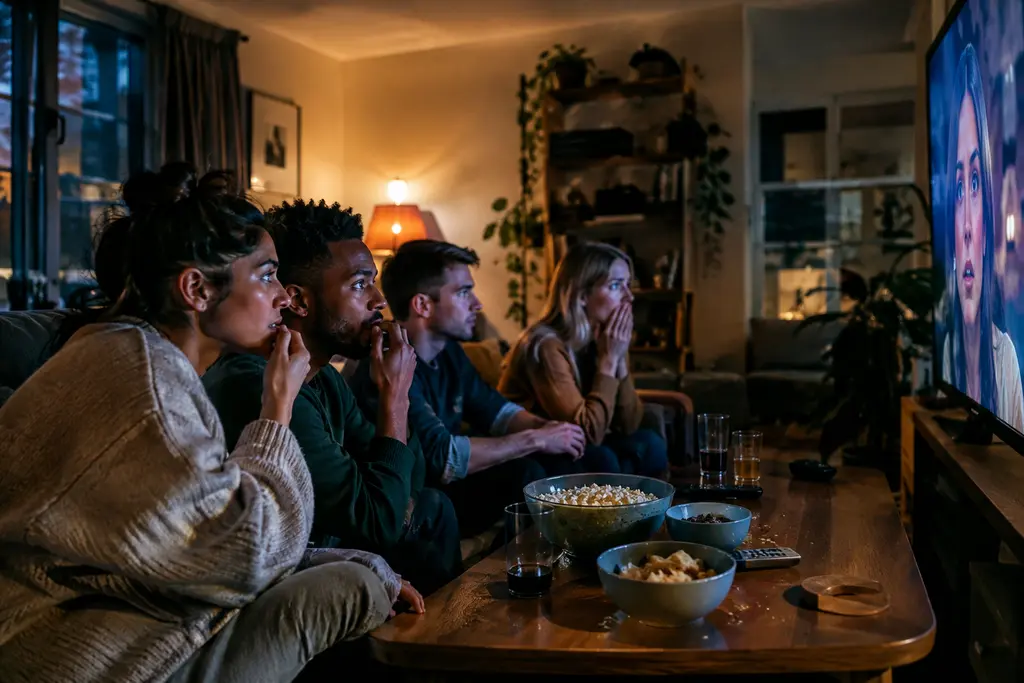


Market-analysis: Streaming audience preferences after 2026 appear to be less about rejecting paid entertainment and more about renegotiating value. Viewers have not abandoned streaming; instead, the strongest signals from 2025 and 2026 suggest that many households became more comfortable mixing subscriptions, ad-supported plans, and free video services to reduce cost while keeping access to familiar programming.
The shift matters because streaming was once sold to audiences as a cleaner alternative to cable: fewer ads, direct choice, and monthly flexibility. By November 8, 2026, that promise had changed. The major platforms still compete on series, films, live programming, and recognizable brands, but the pricing conversation has become just as visible as the content conversation. For viewers, the question is no longer simply which service has the best shows. It is whether the monthly bill, the ad load, and the size of the catalog feel fair together.
Confirmed survey data points to a clear preference split. In the past 12 months, 63% of U.S. adults said they used free, ad-supported streaming models; 44% used paid streaming models that include ads; and 39% used traditional ad-free paid subscriptions, according to a Statista streaming chart. That does not mean ad-free viewing lost all appeal. It does suggest that ad tolerance became a practical tool, especially as households weighed how many services they could keep at once.
Why Streaming Audience Preferences Shifted Toward Ads
Streaming Audience Preferences And The New Price Signal
The evidence suggests streaming audience preferences did not simply move toward ads because viewers suddenly liked commercial breaks. A more cautious reading is that ad-supported plans became an acceptable trade-off. If a viewer can keep access to a favorite platform for a lower monthly price, advertising may feel less like a failure of the streaming promise and more like a budget choice.
That trade-off is already visible at the platform level. As of mid 2026, about 80% of U.S. viewers on Peacock and Amazon Prime Video were using ad-supported tiers, according to eMarketer’s 2026 analysis. The figure is especially significant because it shows that ads are not confined to fringe services. They are now part of mainstream subscription behavior across major platforms.
What The Ad Mix Says About Value
For platforms, streaming audience preferences now point to a difficult balance. Ads can create another revenue path, but too many interruptions risk weakening trust. Viewers may accept advertising when the price feels right, yet they are unlikely to treat every ad-supported tier as equal. Frequency, repetition, placement, and relevance all affect whether a cheaper plan feels reasonable or irritating.
This is where the cultural meaning of streaming changes. The early streaming era often framed the viewer as empowered: choose what you want, cancel when you want, and avoid the old television bargain. The post-2026 period looks more conditional. Viewers still have choice, but many are making choices under cost pressure. The result is a more tactical audience, not necessarily a more satisfied one.
How Platforms May Respond After 2026
Bundles, Churn, And Habit
Market-analysis: Platforms are likely to keep testing ways to reduce cancellation behavior while giving viewers a sense of control. Bundles, annual plans, ad-supported entry tiers, and cross-service packages all aim at the same problem: people have learned that streaming services can be rotated. A household can subscribe for a particular series, cancel after a few weeks, and return when another title becomes attractive.
That habit changes the meaning of loyalty. A loyal viewer may not be a viewer who stays subscribed every month. Loyalty may instead mean returning repeatedly, recognizing the brand, and trusting that the service will have enough value during key release windows. That is why consolidation and bundles deserve close attention; our earlier analysis of streaming consolidation and viewer loyalty looked at how scale can pressure audiences as much as it can reassure them.
The Cultural Cost Of Cheaper Access
The ad-supported shift also changes the cultural experience of television and film. A prestige drama, reality competition, comedy special, or documentary may be interrupted by advertising in ways that reshape pacing and attention. That does not make the content less meaningful by default, but it does alter how audiences encounter it. The viewing session becomes more commercial, even when it remains on demand.
For studios and streamers, this creates a creative and business tension. Ad-supported access may widen reach, but the viewer experience can feel closer to older television models. That is not necessarily a reversal. It is a hybrid phase: streaming convenience paired with advertising economics. For related coverage of online video business shifts, be sure to explore how Internet Video Magazine follows the adjustments in video distribution based on audience behavior and platform economics.
What Viewers May Expect From Streaming Services

Fewer Pure Ad-Free Assumptions
Viewers should expect ad-free plans to remain available on many services, but the post-2026 signals suggest they may become more premium products rather than the default identity of streaming. The audience split shown in 2026 data makes it hard for platforms to ignore ad-supported revenue. If a large share of users accepts ads, companies have a strong incentive to design their pricing ladders around that behavior.
This does not mean all viewers will welcome the change. Some will keep paying more for ad-free access because uninterrupted viewing remains central to how they value films and serialized TV. Others will use ad-supported tiers as a rotating option, moving between services based on cost and content. The same household may use different approaches across platforms, paying for one ad-free service while keeping another at a cheaper tier.
More Attention To Discovery And Trust
Opinion based on market signals: Discovery will become a more important test of viewer satisfaction after 2026. If audiences tolerate ads and maintain multiple services, they still need to feel that the platform helps them find something worthwhile. A low price can attract attention, but weak recommendations, confusing menus, or thin perceived value can push a viewer back into cancellation mode.
Trust also matters. Viewers are learning to read platform behavior closely: price changes, ad-tier limits, library turnover, and bundle offers all send signals. A service that feels clear about what it offers may have an advantage over one that appears to move popular titles, raise prices, or change plan features without enough explanation. In that sense, post-2026 streaming competition is not only a content race. It is a credibility test.
Assessing The Future Of Streaming Platforms After 2026
A Cautious Reading Of Viewer Power
The most cautious reading of streaming audience preferences is that viewers gained skill, not total power. They can cancel, downgrade, rotate, and compare. They can accept ads when the savings feel worthwhile. They can reject services that no longer justify their price. Yet the major platforms still control release schedules, licensing decisions, plan structures, and the design of the viewing experience.
That balance will define the next phase. Platforms want predictable revenue, stronger ad inventory, and lower churn. Audiences want affordability, access, clarity, and enough quality to justify time spent. The winners after 2026 may not be the services with the largest catalogs alone. They may be the ones that make their value easiest to understand.
For film and television culture, the stakes are bigger than billing. If ad-supported streaming becomes the dominant access point for many viewers, it can influence what gets commissioned, how shows are paced, how platforms measure success, and which audiences are treated as most valuable. The post-2026 streaming market is not returning to cable exactly, but it is borrowing more from television’s advertising past than early streaming rhetoric suggested. That makes the future of streaming less like a break from old media and more like a renegotiated contract between viewers, platforms, and advertisers.