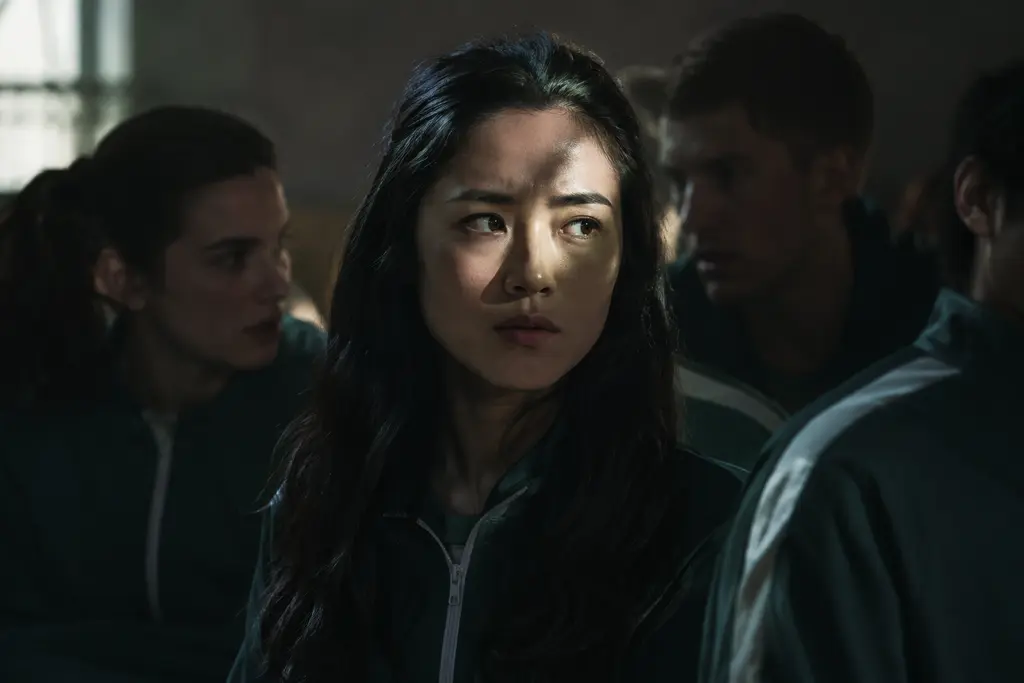


DOC NYC Short Lists arrive before the 17th edition of DOC NYC, scheduled for November 11–19, 2026 in person at IFC Center, SVA Theatre, and Village East by Angelika, with an online component continuing through November 29, 2026. Confirmed reporting says the festival includes more than 200 films and dozens of events, which gives the Short List sections a larger function than simple programming inside one New York festival DOC NYC 2026 announcement.
Market-analysis: for documentary filmmakers, programmers, distributors, and awards strategists, these selections operate as an early visibility filter. They do not decide the Academy race, and they should not be treated as a forecast with certainty. Still, the 2026 slate shows how documentary culture is increasingly shaped by festival timing, short-film support, awards eligibility, and the search for credibility before wider audiences encounter many of these titles.
Why DOC NYC Short Lists Matter Before Ballots
DOC NYC Short Lists As A Signal, Not A Result
Confirmed: the 2026 Short List section contains 15 feature-length documentaries and 15 short documentaries, split between Short List: Features and Short List: Shorts. Awards Review described the sections as films selected among the year’s strongest contenders for Oscars and other prizes, and reported the 15-and-15 structure for the 2026 program reported slate breakdown.
The DOC NYC Short Lists matter because the selections create a shared reference point for an industry that often sees documentaries through scattered windows: festival premieres, limited theatrical runs, educational screenings, streaming deals, and awards campaigns. A film included here receives a form of peer visibility that can help critics, voters, and distributors locate it inside a crowded nonfiction year.
What The 15-And-15 Structure Favors
Opinion: the equal emphasis on features and shorts is one of the most useful parts of the 2026 structure. Documentary shorts often struggle for sustained public attention because they rarely receive the same theatrical footprint, marketing budget, or press cycle as feature documentaries. By placing 15 shorts beside 15 features in a high-profile awards context, DOC NYC gives shorter nonfiction work a clearer cultural frame.
That does not erase structural imbalance. Feature documentaries still tend to have more room for distribution deals, filmmaker profiles, and long-tail audience discussion. But the 2026 short-film emphasis reflects a wider industry shift: short nonfiction is no longer only a training ground or festival sidebar. It can be an awards vehicle, a calling card for a director, and a compact way for audiences to process urgent subjects.
How DOC NYC Short Lists Shape Release Strategy
The Calendar Has Become Part Of The Pitch
Market-analysis: the festival calendar has become part of documentary positioning. Research for the 2026 program notes that submissions for the Short List, Winner’s Circle, and Selects Encore closed on September 18, 2026, with notifications around October 14, 2026. That timing matters because filmmakers seeking awards visibility must think about eligibility, premieres, festival acceptance, and campaign resources months before the public sees a wider rollout.
The DOC NYC Short Lists also sit near the moment when awards attention starts to concentrate. For filmmakers, that can affect whether a team prioritizes a fall qualifying run, a New York festival presence, a publicist, or a distributor conversation. For audiences, the cultural effect is subtler: documentaries can arrive already carrying a frame of importance before viewers have formed independent reactions.
That framing can help serious nonfiction reach viewers. It can also narrow attention toward awards-friendly subjects, recognizable festival pathways, and films with the resources to meet deadlines. TrueRealTV has tracked a related concern in its analysis of distribution pressure for documentary films, where access and industry validation can affect which nonfiction stories remain visible.
Shorts Gain A Sharper Awards Path
Confirmed: Short List: Shorts is in its ninth year at DOC NYC in 2026, and the 2025 showcase included All The Empty Rooms, which later won the Oscar for Documentary Short Subject. That history gives the 2026 shorts lineup a stronger industry charge, even though no single selection should be treated as a guaranteed awards outcome.
Market-analysis: this is where DOC NYC’s 2026 cycle may be most useful to filmmakers working outside feature-length formats. The research notes that DOC NYC introduced a new fund for U.S. shorts awards, “The Louies,” with $100,000 connected to 2026–27 support for short films in awards contention. If that support performs as intended, it could reduce some pressure around campaigning, visibility, and qualification costs for shorts that often operate with fewer resources.
- Confirmed: the 2026 edition is scheduled before the Academy documentary short race narrows publicly.
- Market-analysis: selection can help shorts reach critics and voters who might otherwise focus on feature nonfiction.
- Opinion: this strengthens the idea that short documentaries deserve criticism and audience discussion beyond awards checklists.
What The 2026 Slate Suggests About Industry Behavior

Winner’s Circle Rewards Prior Festival Proof
Confirmed: Winner’s Circle, introduced in 2019, highlights documentaries that have already won major awards at significant U.S. or international festivals. The 2026 research list includes titles such as American Pachuco: The Legend of Luis Valdez, Bucks Harbor, Closure, Nuisance Bear, Give Me the Ball!, and Rehearsals for a Revolution.
Market-analysis: this section reflects one of the most influential patterns in documentary circulation: momentum is cumulative. A prior festival award can become a reason for another programmer, critic, buyer, or awards voter to pay attention. That can help exceptional films break through, but it can also make the festival circuit feel like a series of reinforcing gates. For independent filmmakers without early festival wins, the challenge is not only making a strong film. It is securing the right first points of recognition.
Selects Encore Extends The Life Of Earlier Titles
Confirmed: the 2026 Selects Encore program revisits films that screened earlier in DOC NYC’s year-round Selects series and remain part of the awards conversation. Research identifies titles including Mary Oliver: Saved by the Beauty of the World, Scenes from the Divide, Who Moves America, Manhood, A Life Illuminated, Theydream, and Daylight.
Opinion: Selects Encore is a quiet but telling feature of the 2026 program. It suggests that documentary discovery is not limited to one premiere weekend or one festival slot. A film can re-enter attention if awards discussion, critical response, or audience interest remains active. For viewers, this can be useful because nonfiction films often need repeated public contact before they become part of a broader cultural conversation.
The same pattern is visible across festival-adjacent awards culture, including related coverage from BIFF Award, where recognition can help position independent work for audiences that may not track every festival announcement in real time.
DOC NYC Short Lists And The 2026 Documentary Cycle
Audience Meaning Beyond Awards Positioning
The DOC NYC Short Lists are best understood as a visibility mechanism with cultural consequences. Confirmed data in the research shows a strong historical connection between DOC NYC selections and later Oscar documentary recognition, including the Short List: Features program’s launch in 2012 and the festival’s reported record of screening the documentary feature that went on to win the Oscar in 14 of the past 15 years as of October 14, 2026. That record is powerful, but it should be read carefully: correlation does not mean the festival causes awards outcomes.
Market-analysis: the more durable impact is behavioral. Filmmakers and distributors increasingly plan around the possibility of fall festival recognition, awards qualification, and campaign visibility. Programmers respond to those patterns. Critics use the lists to organize coverage. Audiences may encounter documentaries first through the language of contention rather than curiosity.
That has benefits and costs. The benefit is attention for serious nonfiction at a time when many documentaries face limited theatrical access and uneven platform support. The cost is that awards framing can make documentary culture feel narrower than it is, privileging certain subjects, campaign-ready teams, and films with the means to stay visible through late-year deadlines.
For the 2026 cycle, DOC NYC’s selections point to a documentary sector that is highly strategic, increasingly aware of short-film value, and dependent on festivals as trust signals. The strongest reading is not that the festival predicts everything. It is that the festival helps reveal how documentary filmmaking is being organized: by timing, by recognition, by access, and by the ongoing effort to connect nonfiction stories with audiences before awards season defines them too tightly.