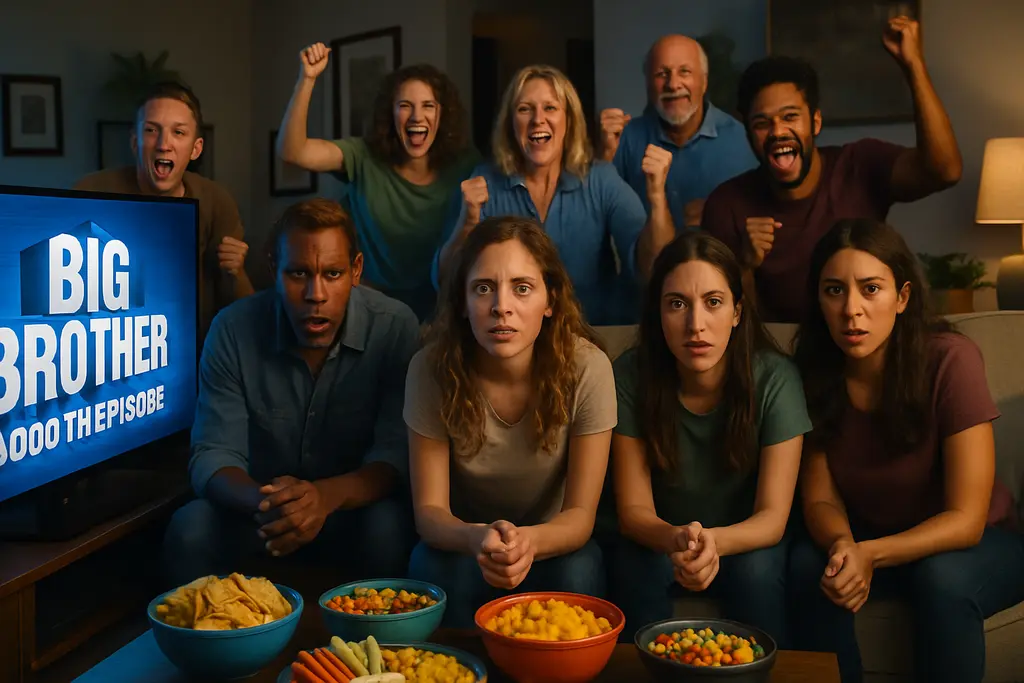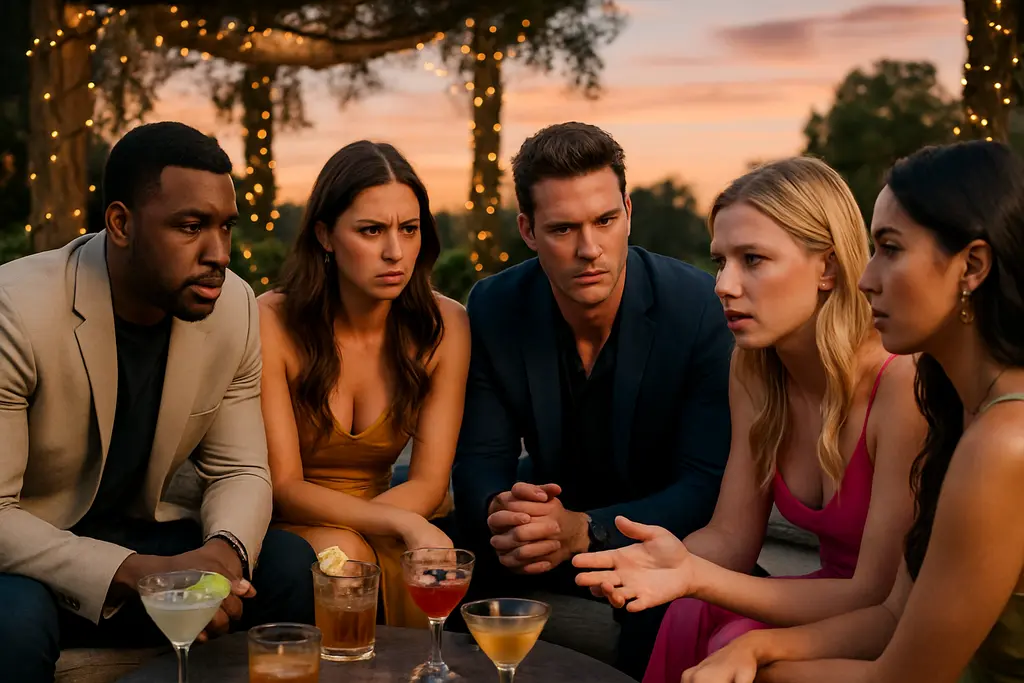

MAFS Season 20 became a useful case study in what happens when a long-running reality format changes not only its presentation, but also its implied contract with the audience. The season premiered on July 12, 2026, exclusively on Peacock, and the shift was not cosmetic. It arrived with a replaced expert panel, a streaming-first production process, faster pacing, and a shinier visual style that many longtime viewers read as a break from the show they had followed for years.
The confirmed production change was significant: executive producer Eric Detwiler said Season 20 was developed “for the first time” as a Peacock Original, from casting through editing, rather than as a season made for Lifetime and then carried elsewhere, according to Yahoo’s interview coverage. That matters because platform identity can shape audience expectations. A cable reality series often trains viewers to expect patient ritual and familiar structure. A streaming original is often judged by pace, finish, and its ability to hold attention across a crowded queue.
Why MAFS Season 20 Changed Viewer Expectations
MAFS Season 20 And The Expert Panel Break
The clearest flashpoint was the expert panel. Dr. Pepper Schwartz, Pastor Cal Roberson, and Dr. Pia Holec were replaced for Season 20, a move that TV Insider framed as a major change for the franchise in its report on the departing experts and new direction, via TV Insider’s expert-change report. The reaction described in the research was not simply resistance to new faces. Many viewers appeared to connect the original panel to the show’s claim of seriousness: marriage as a structured social experiment, not only a dating-show device.
For MAFS Season 20, that loss of continuity created a trust problem. The franchise asks viewers to accept a high-stakes premise: strangers legally marrying after being matched by experts. If the audience does not fully buy the authority of the matchmakers, then the premise can tilt from experiment to casting stunt. That does not mean the new experts lacked value. It means the show changed a key symbol of credibility, and some viewers treated that symbol as part of the format’s foundation.
A Peacock Original From Start To Finish
The streaming-first design also affected perception. The research notes describe repeated viewer comments that the season looked more polished and visually slick, with some audience members describing the drama as more manufactured or influencer-coded than in earlier years. Those are audience interpretations, not confirmed production intent. Still, they reveal a wider cultural tension in reality TV: polish can make a show more accessible, but it can also make viewers question whether spontaneity has been traded for market-ready conflict.
This is where format change becomes more than a production issue. Reality TV depends on a careful balance between construction and belief. Viewers know scenes are edited. They know producers shape arcs. Yet many still want to feel that the people on screen are not simply performing a brand-ready version of intimacy. Season 20 put that balance under pressure because its sharper streaming presentation made some viewers more aware of the machinery behind the show.
Audience Reaction Split Between Pace And Authenticity
What Some Viewers Welcomed
Not every response was negative. Some viewers welcomed the faster pace and earlier relationship conflict, especially compared with older seasons that were sometimes described in the research as slow or drawn out. That reaction should not be dismissed as impatience. Streaming audiences are trained by platform abundance. If a reality series takes too long to define stakes, viewers can leave for another show within seconds.
From a market-analysis perspective, MAFS Season 20 appeared to answer that pressure by getting to friction faster. Early incompatibility, awkward communication, and visible mismatch gave audiences clear discussion points. In that sense, the season understood social viewing habits. Conflict travels well in clips, recaps, comment threads, and group chats. The risk is that speed can flatten the slow emotional observation that once made the franchise feel distinct.
What Longtime Viewers Felt Was Missing
The strongest negative reaction described in the research centered on loss: the sense that the older version of the show felt cozier, slower, and more grounded in “real people.” That language is revealing. It suggests that some viewers were not only evaluating episode quality; they were mourning a viewing habit. A long-running reality format becomes familiar through repetition: weddings, family reactions, awkward honeymoons, apartment scenes, expert check-ins, Decision Day. When those rituals feel altered, the audience can experience change as displacement.
The cultural implication is that authenticity in reality TV is not measured only by whether events are factual. It is also created through texture. Ordinary rooms, uncomfortable silences, unglamorous conversations, and imperfect pacing can all signal sincerity. A sleeker format may improve retention for some viewers while weakening the emotional cues that made others trust the experiment.
What The Streaming Move Revealed About Reality TV Loyalty
Platform Migration Changes The Audience Contract
The Peacock move placed the series inside a different viewing economy. A cable-era viewer often encountered the show as part of a weekly routine. A streaming viewer may sample, pause, binge, skip, or return through recommendation rows. That changes how pressure builds around a season. For related site context on how transport and scheduling shifts can affect audience habits across entertainment and lifestyle coverage, Pilot Pointer, a related site in the same network, offers insight into these phenomena on Pilot Pointer.
TrueRealTV has also tracked this shift in a related analysis of MAFS Season 20 viewership, where streaming performance and fan response were read as connected signals rather than separate measures. High streaming attention, if present, does not automatically mean full viewer approval. It can mean curiosity, debate, frustration, loyalty, or all of those at once.
Strong Attention Can Coexist With Skepticism
The research notes cite Peacock figures placing multiple Season 20 episodes in a reported range of 50 to 80 million streams per episode, with the finale, “The Reunion,” listed at about 79 million streams. Because those figures come from platform-supplied information in the research, they should be read cautiously as claimed platform performance rather than independently audited audience measurement. Still, the reported scale helps explain why the format shift is culturally relevant: people kept engaging even while debating whether the show had changed too much.
That dual response is increasingly common in reality TV. Viewers can object to production choices and still finish a season. They can criticize casting and still follow reunion outcomes. They can miss older rituals while responding to new pacing. For platforms, that creates a tempting lesson: controversy and concern can still produce attention. For producers, the more durable question is whether that attention builds loyalty or slowly drains trust.
Relationship Outcomes And The Meaning Of The Experiment

Breakups Became Part Of The Format Debate
The relationship outcomes sharpened criticism. According to the research notes, the August 2026 RSVP, Decision Day, and reunion material revealed that only one couple, Michelle Le and Cameron Mitchell, was still together and married at that point. Other pairings, including Tori and Felipe, Nikki and Shawn, and Marissa and Adam, ended their marriages by or shortly after Decision Day.
For viewers already uneasy about the format shift, those results became evidence in a broader argument: if the season looked more produced and fewer couples appeared stable, had the show moved away from its matchmaking promise? That is an audience interpretation, not a proven causal link. A season can fail romantically for many reasons, including communication problems, incompatibility, trust issues, emotional conflict, and individual readiness. The research notes cite all of those as recurring viewer concerns.
Cast Readiness Became A Viewer Concern
The research also describes critical and audience concern that some participants seemed unprepared for marriage or showed early warning signs such as defensiveness, controlling behavior, or superficiality. Those judgments should be treated carefully because reality editing can emphasize certain traits while compressing context. Even so, the perception matters. If viewers believe participants were selected more for volatility than compatibility, the show’s matchmaking premise weakens.
That is the central risk for MAFS Season 20. The franchise can survive failed marriages; failure has always been part of the premise. It has a harder time surviving the perception that failure is the expected product. Once viewers believe the process is built primarily to generate conflict, expert credibility, casting trust, and emotional investment all become harder to maintain.
What MAFS Season 20 Reveals About Format Trust
The lesson of MAFS Season 20 is not that reality formats should never change. Long-running shows need renewal, especially after platform moves and shifting viewing habits. The lesson is that format changes carry symbolic meaning. Replacing experts, increasing polish, speeding up conflict, and designing a season for streaming all tell viewers what the show now values.
Some viewers read those choices as necessary modernization. Others read them as evidence that the series had drifted from patient relationship-building toward sharper entertainment value. Both reactions can be true within the same audience. A format can become more watchable for one group and less trustworthy for another.
For reality TV producers, the caution is clear: audience loyalty is not attached only to titles and premises. It is attached to rituals, tone, perceived sincerity, and the belief that the show’s central promise still matters. In this case, the central promise was not simply that strangers would marry. It was that the process behind those marriages deserved to be taken seriously. Season 20 proved that viewers notice when that promise feels revised.