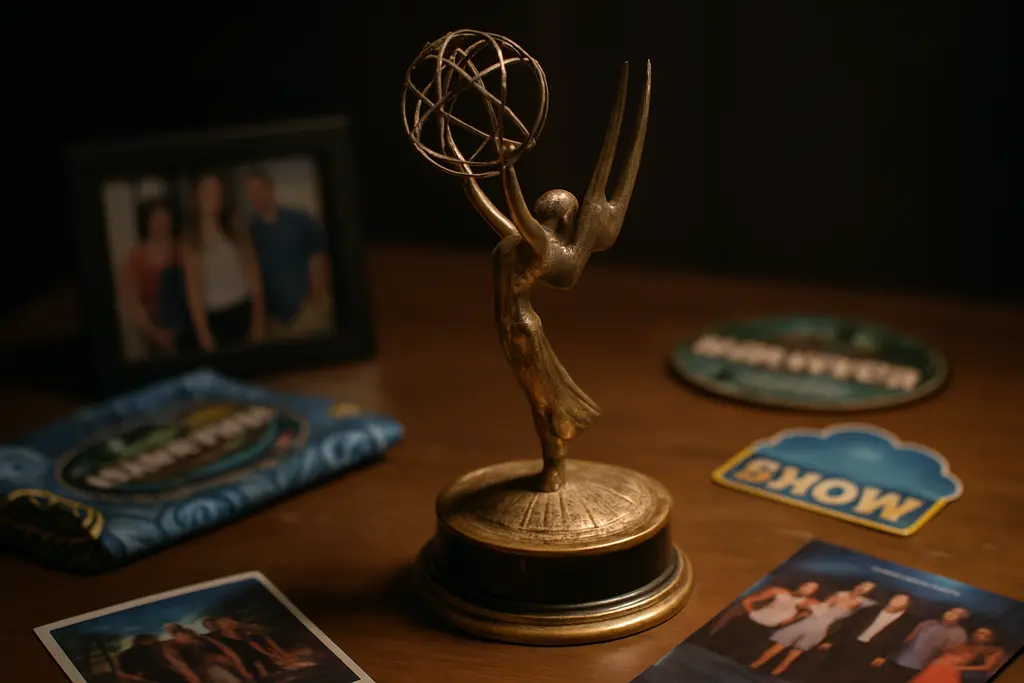

Emmy snubs have always been part of awards season, but the 2026 cycle made them feel less like isolated surprises and more like evidence of a wider audience split. Confirmed: the 78th Primetime Emmy Awards ceremony was held on September 14, 2026, and the live audience fell to 6.7 million viewers, almost 10 percent below the 7.42 million viewers who watched the 77th ceremony in 2025, according to the Los Angeles Times report. For reality TV, that decline matters because the genre has long depended on appointment habits, shared reactions, and the feeling that viewers are watching the same cultural event at the same time.
Market-analysis: the tension is not simply that awards voters and mass audiences disagree. That has always happened. The sharper change is that legacy reality competition shows, once treated as safe Emmy anchors, now face a voting culture that appears more willing to reward freshness, format novelty, and critical buzz over decades of familiarity. That shift carries emotional weight for fans who built weekly rituals around long-running network shows.
What Emmy snubs Signal About Reality TV
Emmy snubs And The Reality Competition Reset
Confirmed: The Amazing Race was left out of the 2026 Outstanding Reality Competition Program nominations after being nominated every year since the category began in 2003. Confirmed in the same awards cycle: Dancing with the Stars, absent from nominations since 2016, returned to the category. Variety framed those nomination moves as part of the year’s awards surprises in its Emmy snubs coverage.
That exchange is culturally revealing because both shows carry different kinds of reality TV memory. The Amazing Race has long represented global movement, teamwork, and a competition structure that rewarded endurance as much as personality. Dancing with the Stars carries a different kind of nostalgia: celebrity reinvention, live performance, family co-viewing, and a format that rewards viewer attachment as much as craft. The 2026 nominations did not erase either show’s history, but they did show that institutional affection can weaken.
Opinion: for many reality TV viewers, this is where awards conversation becomes personal. A nomination snub is not only a professional disappointment for a production team. It can feel like a public signal that a shared viewing tradition has aged out of prestige attention. That feeling should not be inflated into fan panic, but it helps explain why reality categories often produce reactions stronger than the category size might suggest.
Legacy Shows And Fan Memory
Reality TV is unusually tied to routine. Fans remember where they watched finales, which couples or teams they supported, and how weekly eliminations shaped office, family, or online conversation. Long-running shows gain value not only from format quality, but from repetition. A familiar theme, judging rhythm, route marker, ballroom reveal, or elimination format can become part of a viewer’s personal calendar.
Market-analysis: awards voters do not always reward that kind of memory. In fact, memory can become a burden. A series that once felt innovative may later be judged against newer programs that appear sharper, stranger, or more reflective of fragmented viewing habits. That does not make the older show weak. It means the awards system may be measuring energy, novelty, and perceived cultural heat more than long-term audience loyalty.
Audience Habits Behind The Awards Gap
Viewership Is Not The Same As Voter Support
The 2026 ceremony’s lower live audience gives the awards conversation a useful frame. Confirmed: 6.7 million viewers watched the September 14, 2026, telecast. That figure does not prove viewers rejected the winners or nominees. Ratings are shaped by scheduling, platform habits, promotion, and whether audiences still treat awards shows as live events. Still, the decline supports a cautious reading: the Emmys now operate in a TV culture where mass attention is harder to gather.
That matters for reality TV because the genre once had a clearer path from popularity to awards power. A hit competition program could dominate water-cooler conversation, pull strong live numbers, and appear award-worthy because the format was visible to a wide public. In 2026, visibility is more divided. Some viewers follow network competitions live. Others catch clips, stream episodes later, or participate through social platforms rather than full telecasts. Awards voting may respond to that divided attention in uneven ways.
Streaming Attention And The New Prestige Signal
Market-analysis: newer and streaming-centered shows can benefit from a different kind of prestige signal. They may not always feel as universal as older network titles, but they can create dense, highly engaged fan pockets. That kind of attention is especially useful in reality competition, where strategy, social behavior, betrayal, alliances, and format twists can generate ongoing analysis beyond a single broadcast night.
This does not mean traditional reality competition is finished. That reading would be too broad and not supported by the known facts. The safer conclusion is that the old Emmy formula has weakened. Longevity, brand recognition, and past dominance are no longer enough. Voters appear more open to change, while audiences are split across live TV, streaming, delayed viewing, and short-form discussion. For insights into entertainment fandom’s evolution, NoirWhale offers coverage connecting traditional media habits with modern viewing trends.
What The 2026 Ceremony Changed
A Smaller Live Audience
The September 14, 2026, ceremony should be read carefully. Confirmed ratings decline does not equal cultural irrelevance. Awards shows can lose live viewers while still shaping industry status, social discussion, and platform marketing. Yet the lower audience does change the symbolic value of an Emmy moment. If fewer people watch the ceremony live, then the meaning of a win or omission travels more through clips, headlines, and fan interpretation than through a single shared broadcast.
For reality TV, this can make omissions feel louder. A legacy show that misses a nomination may not be discussed only by the voters who made that choice. It gets reframed by fans as evidence of changing taste, by platforms as a sign of category movement, and by critics as part of a bigger story about television’s center of gravity. TrueRealTV has also examined how Emmy category cuts reshaped awards prestige, which connects to the same visibility problem facing many TV fields.
Visibility After Category Pressure
Confirmed through the supplied research: the 2026 Emmys moved five categories off the primetime main broadcast and into the Creative Arts Emmys. That change did not target reality competition specifically, but it fits a wider pressure around awards visibility. When the televised ceremony contracts, every remaining category competes harder for symbolic space. Genres with strong fan bases but less institutional prestige can feel that pressure most sharply.
Opinion: reality TV’s challenge is that it is both popular and often under-defended as craft. Competition editing, casting, challenge design, scoring systems, live production, and host management all shape how viewers understand fairness and emotion. Yet awards narratives can still treat reality programs as less culturally serious than scripted work. The 2026 nomination surprise around The Amazing Race showed how quickly a long record of recognition can be interrupted.
Emmy snubs As A Reality TV Culture Story
Emmy snubs in 2026 matter because they reveal a gap between affection and authority. Viewers may still care deeply about traditional reality competition shows, but care does not automatically convert into nominations or wins. Awards bodies are sorting through a TV environment where loyalty, buzz, live ratings, streaming behavior, and industry taste no longer point in the same direction.
The cultural implication is not that older reality shows have lost their value. It is that their value is now contested. A show can be beloved, recognizable, and format-defining while still being vulnerable to a nomination surprise. For longtime fans, that can sting because these programs are tied to memory: family viewing, finale nights, favorite teams, and familiar judging rhythms. For awards voters, the same history may read as less urgent than new formats or fresher social dynamics.
The 2026 reality TV awards story is best understood as a recalibration. Traditional winners are not disappearing from fan life, but they are no longer guaranteed institutional protection. That makes the next awards cycles less predictable, and it asks viewers to separate two questions that once overlapped more neatly: what did audiences keep close, and what did the Emmys choose to honor?