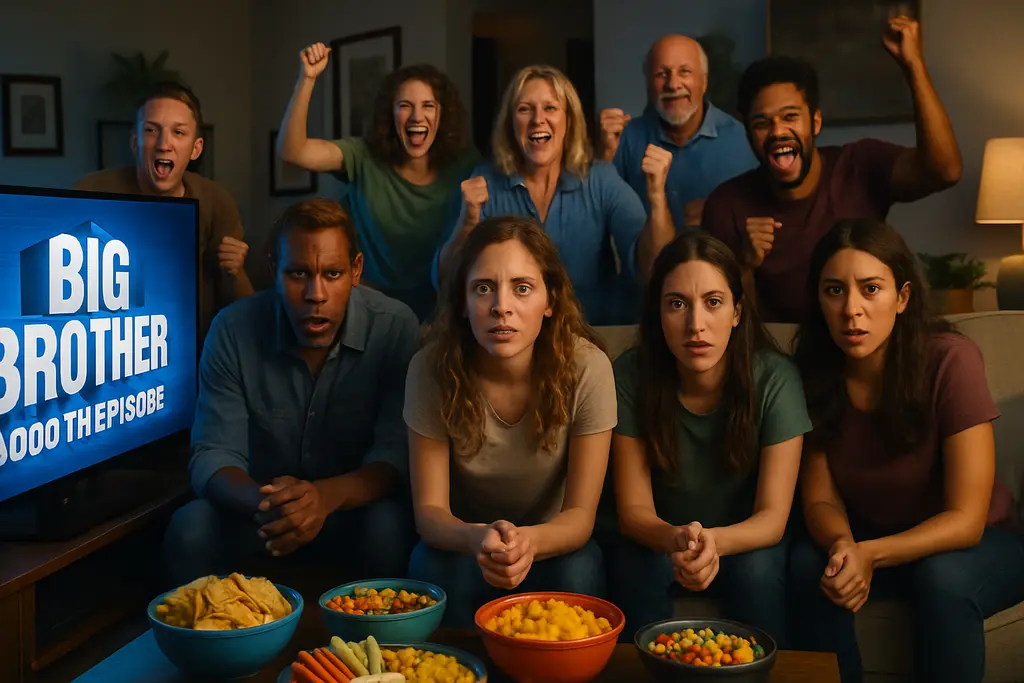

[Confirmed] The Big Brother 1000th episode aired on August 27, 2026, as a 90-minute CBS broadcast with streaming on Paramount+, and it was built as both a celebration and a live game episode. Paramount+ described the installment as featuring a live eviction, a BB Blockbuster competition, former Houseguests, fan voting, and a promised new twist in its official 1,000th episode guide. That mix explains the divided response: the episode asked viewers to feel nostalgia, follow active strategy, process a milestone, and wait for a major format shift in the same broadcast window.
[Market-analysis] For a reality franchise that has lasted across 26 years of American television, the reaction was not simply about whether one episode entertained. It was about what longtime viewers believe the show owes them: transparency, live access, game logic, and recognition of the people who helped build its culture. The audience response in the research set points to affection for the show’s history, paired with frustration over how production handled suspense and access after the milestone episode.
What Big Brother 1000th Reaction Revealed
Why The Milestone Carried Real Cultural Weight
[Confirmed] The episode’s milestone framing mattered because Big Brother is not a standard competition series. Its appeal has always depended on the gap between broadcast storytelling and constant observation. Viewers do not only watch edited episodes; many read strategy through live-feed behavior, social media recaps, and fan argument. That makes a 1,000th episode less like an anniversary special and more like a referendum on the show’s relationship with its most attentive audience.
[Reviewed] The positive response centered on legacy. Research notes show viewers appreciated retrospective material honoring blindsides, romances, famous quotes, alliances, winners, and long-running house mythology. Fan-voted categories also gave the milestone a participatory feeling, especially because selections such as “Dan’s funeral,” The Cookout, Janelle Pierzina, Rachel Reilly’s well-known “Floaters” line, and Dan Gheesling connected different eras of the series. Those choices show that the fan base does not experience the show as disposable summer programming. It remembers moves, language, archetypes, and social dynamics as part of a shared archive.
How Big Brother 1000th Expectations Became A Risk
[Opinion] The same legacy that made the milestone meaningful also raised the risk of disappointment. A normal live eviction episode can survive uneven pacing because the game continues. A heavily promoted anniversary episode carries a different burden. It has to satisfy casual viewers who came for nostalgia, active-feed watchers who came for game clarity, and former-era fans who wanted proof that production understood what made the show last.
[Reviewed] The research set describes a common split in reaction: strong opening energy, then weaker payoff. Viewers responded warmly to nostalgic segments and alumni recognition, but criticism grew around the episode’s final stretch. The teased twist was repeatedly positioned as major, yet research notes say many viewers felt it was not fully explained by the end of the broadcast. That left some audience members judging the hour and a half not by what it celebrated, but by what it withheld.
Nostalgia Worked, But The Twist Frustrated Viewers
The Retrospective Gave Fans A Shared Memory Bank
[Reviewed] Nostalgia was the safest production decision and, by most accounts in the research set, the most successful. Anniversary television works best when it validates viewers’ time investment. In this case, the callback structure let the audience revisit strategic turning points, comic lines, alliances, and Houseguests who became shorthand for different styles of play. That matters because reality TV fandom is often built through repetition. A quote becomes a meme, a move becomes a reference point, and a player becomes a measuring stick for future seasons.
[Market-analysis] CBS and Paramount+ also had a brand reason to lean on legacy. Reality franchises face the same challenge as scripted franchises: they need to welcome newer viewers without alienating the people who keep the conversation alive between episodes. A milestone special can bridge that gap. For newer viewers, it explains why the franchise matters. For longtime viewers, it signals that their memory of the show is part of the product.
Why The Twist Became The Flashpoint
[Reviewed] The twist reaction was different because it touched the active game. Research notes say fans objected to the timing and clarity of the announcement, with many arguing that the build-up did not match the delivered information. That criticism is not just impatience. In a format built around nominations, veto power, competition cycles, and live-feed interpretation, clarity is part of the viewing contract.
[Opinion] The episode appeared to place spectacle ahead of explanation. That can work for a teaser in scripted television, where ambiguity is part of the dramatic grammar. In Big Brother, ambiguity can feel more intrusive because viewers are tracking rules that shape real player incentives. If the show hints that game structures are changing but does not define the stakes, audience attention can shift from “what will players do?” to “what is production doing?” That is a more fragile kind of suspense.
[Reviewed] Related coverage on this site has tracked how weekly strategy turns can dominate fan response, especially in a season where alliances shift fast; that pattern was visible in our earlier Big Brother recap. The 1,000th episode reaction fits the same audience habit: viewers may enjoy spectacle, but they still judge the show through strategic consequence.
Production Decisions And The Live-Feed Contract
Why Feed Access Is More Than A Bonus Feature
[Reviewed] One of the sharpest criticisms in the research set concerned live feeds going offline for approximately three days after the milestone episode. For a casual viewer, that may sound like a technical or scheduling issue. For core Big Brother viewers, it strikes at the program’s identity. The feeds are not just extra content; they are the mechanism that lets viewers compare edited television with longer-form behavior inside the house.
[Market-analysis] That access is also part of the franchise’s monetization and distribution logic. CBS supplies the broadcast spine. Paramount+ supports streaming access and full-episode viewing. Live feeds extend the show beyond scheduled television into daily engagement. For a broader understanding of how video platforms compete for ongoing viewer engagement, Internet Video Magazine offers further context on industry strategies.
The Rule Changes Complicated The Celebration
[Reviewed] Research notes say viewers also objected to the temporary removal or disruption of key game structures, including Head of Household, veto, and Blockbuster competition elements in the next cycle as part of the twist. The criticism here is less about change itself than about whether change still feels like Big Brother. The series has long used twists, but its most durable drama usually comes from players reacting inside a ruleset viewers understand.
- [Confirmed] The August 27, 2026 broadcast included a live eviction and BB Blockbuster competition.
- [Reviewed] Viewers praised the anniversary callbacks and fan-voted legacy segments.
- [Reviewed] Many criticisms focused on delayed twist clarity and reduced live-feed access.
- [Opinion] The episode’s main tension was between celebration and active-game disruption.
[Opinion] That tension made the milestone feel slightly divided. The production wanted the episode to honor the past while launching a disruptive next phase. The audience seemed more willing to accept the first goal than the second, at least based on the reactions summarized in the research set.
What The Numbers Say About Audience Loyalty
Season 28 Had More Than Sentimental Momentum
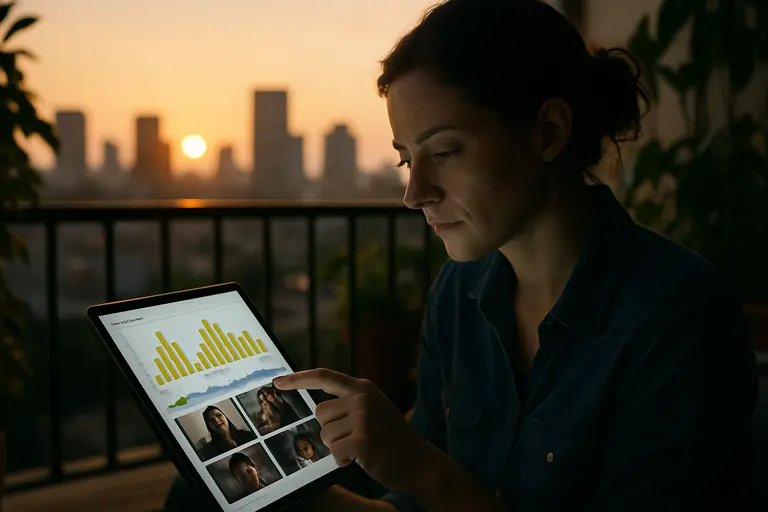
[Confirmed] The broader season performance shows that the franchise was not relying on nostalgia alone. Paramount Press Express reported that Season 28 averaged 5.1 million viewers in seven-day multiplatform viewing, up 8% from the prior season, and reached 14.8 billion total minutes viewed across live feeds and full episodes, up 9% from last summer, in its Season 28 performance release.
[Market-analysis] Those figures help explain why production might have felt confident taking a big swing during the milestone. A season with gains across multiplatform viewing gives a network room to promote a disruptive event. Yet the same numbers also reveal why fan trust matters. If billions of minutes are tied to both feeds and episodes, then any decision that limits access to one half of that experience can trigger stronger backlash than a normal format tweak.
Why Audience Loyalty Can Turn Critical
[Opinion] Loyalty should not be mistaken for unconditional approval. Reality-TV audiences often become more critical as their investment grows. They learn patterns, compare edits with feed behavior, and remember prior production choices. The Big Brother audience is especially skilled at this kind of reading because the show trains viewers to question what they are seeing: who is aligned, who is lying, who is protected by format, and who benefits from uncertainty.
[Reviewed] That is why complaints around the Big Brother 1000th episode should not be read only as negativity. They are also signs of ownership. Viewers criticized the twist because they cared about game integrity. They criticized feed downtime because they see access as central to the format. They praised legacy segments because they want the franchise to remember its own culture.
Big Brother 1000th Episode And Reality TV Trust
What The Milestone Teaches Producers
[Market-analysis] The lesson from the Big Brother 1000th response is that milestone programming has to balance memory with trust. Celebration can bring viewers together, but unresolved format disruption can quickly split that goodwill. If a show’s identity depends on audience surveillance, then removing or limiting that surveillance after a major twist risks making viewers feel excluded from the very format they helped sustain.
[Opinion] The production decision that seems most open to critique was not the existence of a twist. Big Brother has always relied on disruption. The issue was the communication around it. A twist can energize a season when viewers understand the stakes. It can frustrate them when the tease becomes larger than the information. On August 27, 2026, the anniversary frame made that imbalance more visible.
The Cultural Meaning Of A Divided Reaction
[Opinion] The milestone still mattered. A reality series does not reach 1,000 episodes without building rituals that outlast individual casts. The fan votes, alumni recognition, and retrospective material gave the episode a sense of continuity. The backlash over the twist and feed interruption showed the other side of that continuity: an audience that expects the franchise to protect the viewing habits that made it distinct.
[Market-analysis] For CBS and Paramount+, the episode was both an achievement marker and a reminder. The franchise remains commercially valuable, with Season 28 showing measurable growth across multiplatform viewing. Yet its most engaged viewers are not passive consumers of ceremony. They are participants in a long-running interpretive culture. The strongest version of the show respects that culture by making twists feel playable, access feel meaningful, and nostalgia feel earned rather than used as cover for confusion.