


Unscripted entertainment has evolved from a mid-budget network programming experiment into one of the most profitable and culturally ubiquitous pillars of modern global media. What began decades ago with fly-on-the-wall sociological observation has transformed into an intricate ecosystem of high-stakes competition series, docusoaps, and relationship experiments. Across legacy networks and international streaming platforms alike, audiences demonstrate an appetite for human confrontation, vulnerability, and competition that scripted drama struggles to match.
Yet behind every viral televised outburst, high-stakes elimination ceremony, and confessional interview lies a sophisticated machinery of narrative engineering. The contemporary unscripted genre operates at a delicate crossroads: viewers demand emotional authenticity, yet production schedules, editorial pacing, and commercial sponsors require predictable, escalating conflict. Understanding how showrunners, story editors, and casting directors navigate this balance reveals how unscripted television shapes social norms and popular culture.
From Observational Verité to Structured Emotional Engineering
The historical trajectory of reality television reflects technological expansion alongside changing viewer psychology. Early genre benchmarks focused on documenting unrehearsed communal living with minimal off-camera interference, letting organic personality friction drive viewer engagement. Over subsequent broadcast eras, production companies realized that passive verité filming carried substantial budgetary risks and uncertain payoff timelines, prompting the adoption of structured narrative mechanics.
According to analytical programming archives maintained by the Television Academy, the dawn of game-based unscripted formats shifted the medium into an arena of psychological stress testing. By introducing cash prizes, strategic voting alliances, and controlled isolation from the outside world, producers created environments where conflict was virtually guaranteed. Instead of waiting for interpersonal drama to develop organically over months, story teams could engineer high-pressure decision points into tightly budgeted forty-four-minute episodes.
This structural transition gave birth to the dedicated story producer, whose primary role is tracking daily character arcs, identifying brewing hostilities, and prompting cast members during confessionals. Through calculated questioning techniques, story departments help talent articulate their unspoken motivations, providing editors with the necessary voiceover tracks to weave disparate reactions into coherent story arcs.
The Anatomy of the Edit: Frankenbites and Narrative Pacing
The true authorship of any unscripted program resides inside the post-production editing suite. Across a typical multi-camera reality series, production crews record hundreds of hours of raw digital footage for every single finished broadcast hour. Transforming that ocean of unscripted interactions into an engaging dramatic narrative requires aggressive editorial compression.
Techniques such as the “frankenbite”—the stitching together of separate audio syllables or sentence fragments recorded at different times—allow editors to synthesize context or sharpen ambiguous dialogue for broadcast clarity. Similarly, reaction shots captured hours apart are frequently inserted into heated dining-table confrontations to amplify awkward silences or heighten perceived animosity. Industry studies and labor reviews documented by the Writers Guild of America emphasize that unscripted storytellers perform structural narrative construction that closely mirrors traditional dramatic screenwriting, despite the absence of an explicit advance script.
| Production Era | Primary Format Model | Dominant Narrative Driver | Audience Relationship |
| Early 1990s (Inception) | Fly-on-the-wall sociological docuseries | Natural ideological friction & unforced lifestyle differences | Passive cultural observer |
| Early 2000s (Broadcast Boom) | High-stakes eliminations & physical endurance | Game theory, strategic voting, and survival competitions | Invested spectator & partisan fan |
| 2010s (Cable & Lifestyle Peak) | Ensemble docusoaps & luxury franchise lifestyle | Reputational status combat, manufactured events, and personal drama | Social media commentator & meme creator |
| 2020s–Present (Streaming Age) | High-concept relationship experiments & binge models | Psychological stress constructs, pods, and algorithmic casting | Hyper-critical analyst & sleuth |
The Rise of Participant Advocacy and Psychological Duty of Care
As the unscripted television industry matured and global streaming distributed programs across dozens of territories simultaneously, the real-world toll on on-screen participants sparked widespread cultural scrutiny. Cast members who overnight became global villains or sensationalized memes faced severe reputational fallout, digital harassment, and mental health struggles long after the cameras stopped rolling.
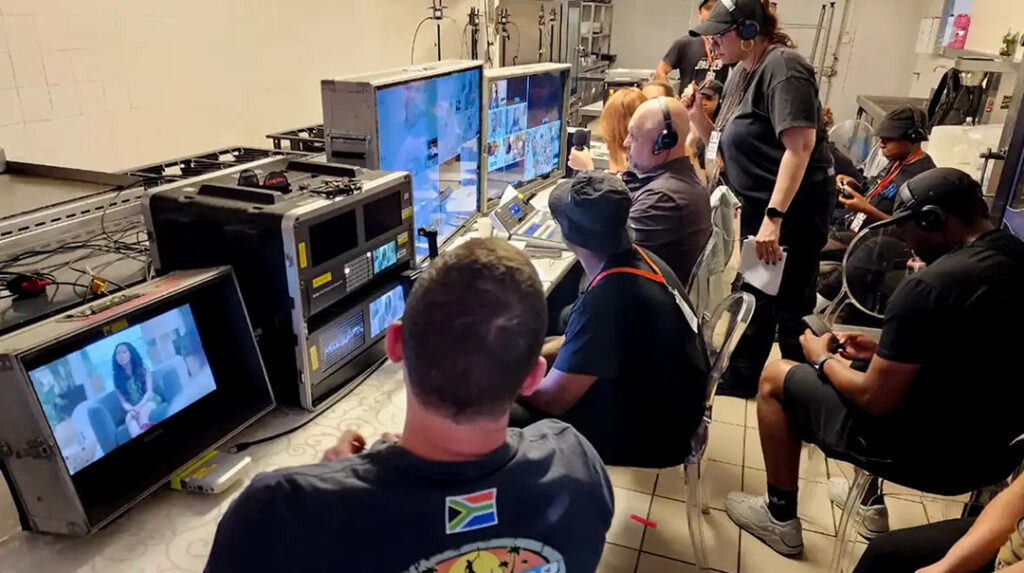
In response to public debate and legislative inquiries, international broadcast standards have shifted dramatically. Regulatory bodies such as the UK’s Office of Communications codified stringent “fairness and privacy” regulations, compelling unscripted production companies to institute formal duty-of-care protocols. These requirements establish standardized baseline protections across casting, filming, and post-broadcast transition windows:
- Pre-Production Psychological Screening: Comprehensive background evaluations, emotional resilience assessments, and transparent discussions regarding the risks of instantaneous public exposure.
- On-Set Mental Health Access: Dedicated on-location therapists who operate independently from show producers, providing confidential decompression support during tense filming blocks.
- Contractual Rest Periods and Hydration Limits: Strict enforcement of minimum daily sleep schedules, guaranteed access to adequate nutrition, and monitored limits on alcohol consumption during social events.
- Post-Broadcast Reintegration Support: Ongoing psychological check-ins, media literacy training, and crisis communication management when contentious episodes debut before millions of international viewers.
These emerging operational standards signal an overdue cultural reckoning across the entertainment landscape. Major production houses increasingly understand that exploiting extreme psychological distress for temporary ratings spikes produces unsustainable legal liabilities and diminishes participant willingness to sign initial casting agreements.
Streaming Algorithms and the High-Concept Reality Boom
The migration of unscripted programming from linear scheduled television to subscription-based video on demand has radically altered how formats are greenlit and produced. Streaming services rely on aggressive global retention algorithms that reward high-concept premises capable of crossing cultural boundaries without requiring localized celebrity recognition.
Concepts that isolate participants behind audio-only pods, place singles on tropical retreats where intimacy is financially penalized, or challenge contestants to identify hyper-realistic confections have dominated viewership rankings. These formats work precisely because their central visual or psychological conceit can be explained in a single sentence. Viewers binge complete seasons in a single weekend, dissecting every micro-expression and tracking cast members’ personal social accounts in real time.
The democratization of behind-the-scenes commentary on social platforms has simultaneously cultivated a remarkably sophisticated viewer demographic. Today’s audiences are thoroughly fluent in reality television production tropes. They readily spot manipulative musical swells, recognize selective editing patterns, and critique deliberate producer-driven interventions. Rather than detaching viewers from the content, this widespread literacy has turned the meta-analysis of unscripted television into an entertaining participatory experience in its own right.
The Future of Truth in Unscripted Television
The unscripted medium continues to redefine the boundaries between reality and staged performance. As emerging tools like automated camera systems and predictive AI-assisted assembly alter the editing process, the fundamental question at the core of the genre remains unchanged: what responsibilities do storytellers owe to the human subjects whose lives provide raw artistic material?
For dedicated entertainment critics, media analysts, and television fans tracking the fast-moving currents of contemporary programming, following insightful coverage at True Real TV offers direct analysis of reality storytelling, production innovations, and industry shifts. The future vitality of unscripted television will belong to creators who respect both their audience’s analytical intelligence and their participants’ personal well-being, proving that compelling entertainment does not require sacrificing basic human dignity.