

MAGIC Las Vegas sits at a revealing intersection of commerce, media, and culture. The August 10-12, 2026 edition was scheduled for the Las Vegas Convention Center; as of August 21, 2026, those dates had passed, so the safest reading is retrospective rather than promotional. Confirmed details before the event showed a convention built not only around wholesale buying, but around technology, creator visibility, international sourcing, and the social signals that shape what eventually appears in stores and feeds.
That matters because fashion conventions are often treated as back-end business gatherings, separate from pop culture. The evidence points to something broader. Buyers, stylists, press, influencers, brands, and senior decision-makers meet in one place, and the mix can affect which aesthetics receive investment, which categories expand, and which tools become normal inside fashion retail. This is not the same as claiming one event dictates consumer taste. A cautious view is stronger: trade events concentrate decision-makers, and concentrated decision-making can accelerate trends already forming across retail and media.
Why MAGIC Las Vegas Matters Beyond Buying
MAGIC Las Vegas As A Media Signal
Confirmed: the February 2026 edition of MAGIC by Informa Las Vegas drew more than 16,900 industry professionals, including brands, buyers, influencers, stylists, press, and experts. It also featured more than 800 brands across Trend, Young Contemporary, Modern Sportswear, Accessories, Footwear, Home, Gift & Beauty, Kids, and Contemporary collection lines, according to the event’s official MAGIC Las Vegas event page. Those categories show why the convention reaches beyond a single retail lane. It gathers fashion products that can move through boutiques, department stores, social commerce, editorial shoots, and creator-led styling.
Market-analysis: the presence of press and influencers changes the cultural function of a wholesale gathering. Historically, trade events served buyers first. The current model still depends on orders and business relationships, but visibility now carries its own value. A collection can be evaluated not only for margin or delivery timing, but for how it photographs, how it fits short-form video styling, and whether it matches the mood that buyers believe consumers will recognize months later.
Buying Power And Cultural Filtering
Confirmed: more than 80% of attendees at the February 2026 event had buying power, and 74% held C-suite or senior decision-maker roles. Those figures make the convention a practical filter for culture. A garment, accessory, footwear line, or beauty-adjacent product may start with design intent, but its path to the public often depends on wholesale approval, category placement, and retail confidence.
Opinion: this is where the cultural impact becomes visible. Fashion trends do not move from runway to consumer in a straight line. They pass through buyers who assess risk, influencers who test desirability, stylists who connect products to image-making, and press who supply language around what feels current. For buyers, MAGIC Las Vegas functions as a pressure point where those roles overlap. The result is not a single trend decree, but a shared commercial mood that can shape what shoppers encounter later.
Technology, Sourcing, And The New Fashion Convention
Fashion Tech As A Business Language
Confirmed from the research notes: the August 10-12, 2026 Marketplace event placed fashion technology innovation near the center of the conversation through a Fashion Tech Summit day and an expanded Business Solutions Center. The listed areas included AI tools, logistics, color intelligence, social commerce platforms, and other fashion-technology integrations. Because the allowed source set here does not include a direct official link for that specific programming detail, the claim should be treated as supported by the provided research rather than independently expanded.
Market-analysis: the important shift is not simply that fashion companies are using software. It is that technology is being presented as part of the convention’s cultural vocabulary. AI tools and color intelligence point toward faster decision cycles. Logistics tools point toward expectations around speed and reliability. Social commerce platforms point toward a retail culture where discovery, persuasion, and purchase can sit much closer together than in older department-store models.
For a culture site, the key implication is audience behavior. Consumers may never attend a wholesale event, but they feel the results through availability, pricing pressure, styling formats, and product timing. The shift toward tech-supported fashion retail can make trends appear more immediate and more reactive to online attention. That can be useful for brands trying to meet demand, but it can also shorten the life of an aesthetic before the public has fully absorbed it.
Global Sourcing And Scale
Confirmed from the research notes: global sourcing remained central around the 2026 show cycle. The February 2026 show floor across co-located MAGIC, PROJECT, SOURCING, and OFFPRICE events featured more than 1,800 exhibitors from more than 40 countries. The August 2026 Marketplace event was described in the research as co-located with PROJECT, SOURCING, and OFFPRICE by Informa, linking trend collections, menswear, manufacturing, technology, and value-oriented inventory.
Market-analysis: co-location matters because it compresses the distance between design, manufacturing, technology, and markdown-conscious buying. That compression is culturally significant. A trend is not only an idea; it is also a supply chain decision. The presence of sourcing and value inventory alongside trend-driven collections suggests that fashion culture is shaped by creativity and constraint at the same time.
How Fashion Events Become Pop Culture Infrastructure
Influencers, Press, And The Video Feedback Loop
Confirmed: in 2025, the wider MAGIC events portfolio recorded more than 36,700 attendees, with representation from more than 95 countries and all 50 U.S. states. The same official attendance materials reported more than 682 million press impressions in U.S. and international media for MAGIC events in 2025, according to MAGIC attendance information. Those numbers do not prove consumer conversion, but they do show media reach at a scale that makes the event relevant to fashion communication.
Opinion: the press-impression figure is especially useful because it shows how a trade convention can act like pop culture infrastructure. The event may not be staged for mass entertainment in the same way as a televised awards show or festival carpet, but it can still generate images, product narratives, trend vocabulary, and business stories that travel outward. That travel often happens through video, social clips, retail recaps, and creator commentary. For adjacent analysis relevant to screen culture and how video-led attention frames cultural conversations, you might explore what Internet Video Magazine has to offer.
- Confirmed: February 2026 attendance exceeded 16,900 industry professionals.
- Confirmed: February 2026 exhibitors exceeded 800 brands across multiple fashion and lifestyle categories.
- Confirmed: the broader 2025 MAGIC events portfolio drew more than 36,700 attendees.
- Market-analysis: those figures suggest cultural influence through buying concentration, media reach, and category breadth.
Why The Convention Format Still Has Cultural Weight
Retail has become more fragmented, but the convention format still offers something online platforms cannot fully replace: concentrated comparison. Buyers can compare categories, brands can assess competitors, stylists can read visual direction, and press can identify themes across many booths and presentations. That does not make the format immune to hype. It makes the format useful as a snapshot of what the industry is willing to back.
Reviewed cautiously, the convention’s cultural impact comes from its hybrid role. It is part marketplace, part media event, part technology showcase, and part signal to the broader fashion system. The convention does not need to be consumer-facing to shape consumers. It works upstream from the shelf, the feed, and the editorial spread.
The February 2027 Date And Market Continuity
Confirmed Scheduling After August 2026
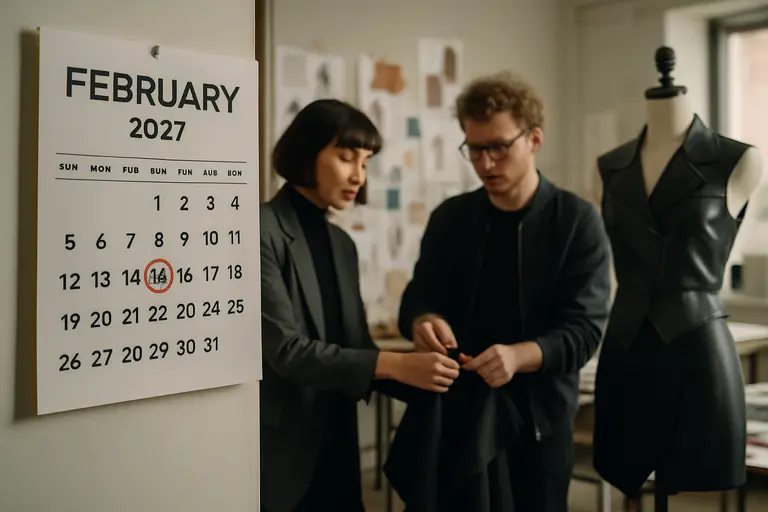
Confirmed: the next show after the August 2026 edition is scheduled for February 16-18, 2027 at the Las Vegas Convention Center. That future date matters because the event’s rhythm supports fashion’s planning cycle. Buyers do not make decisions in isolation. They respond to seasonality, delivery windows, category performance, and the level of confidence they feel after seeing many brands in one place.
Market-analysis: this continuity is part of the convention’s power. A single edition can introduce a theme, but repeated editions help normalize it. If technology tools, social commerce services, global sourcing, and influencer visibility remain attached to the event structure, they become less like side features and more like expected elements of fashion business culture.
What MAGIC Las Vegas Reveals About Fashion Culture
MAGIC Las Vegas reveals a fashion culture shaped by more than design alone. The supported facts point to a convention where buying authority, brand volume, press reach, global participation, and technology adoption meet inside one commercial setting. The August 10-12, 2026 edition should be discussed in past-tense date terms, but without invented attendance results that are not present in the research. The February 2026 figures and the scheduled February 16-18, 2027 date give enough evidence to understand the convention’s continuing role.
The cautious cultural reading is this: fashion conventions do not simply display trends after they happen. They help decide which trends receive distribution, language, and business support. That makes the event relevant not only to retailers, but to anyone studying how taste moves from industry rooms to public life.