


Jeopardy! Masters Season 4 is returning to ABC on August 25, 2026, but the bigger story is not only another elite trivia tournament. The show is using a reality-franchise playbook: returning personalities, season-long stakes, tournament continuity, platform scheduling, and fan debate over who deserves the top seat. Hosted by Ken Jennings, the fourth annual Jeopardy! Masters tournament will stream next day on Hulu and bring six top players back into a primetime competition for a $500,000 grand prize.
That format makes Jeopardy! Masters a useful case study for TruReal TV readers because it sits at the edge of game-show tradition and unscripted franchise strategy. ABC’s Jeopardy! Masters Season 4 announcement confirms a field built around reigning champion Yogesh Raut, returning finalists Juveria Zaheer and Victoria Groce, 2026 Jeopardy! Tournament of Champions winner Paolo Pasco, and 2026 Jeopardy! Invitational Tournament winner Andrew He plus runner-up Long Nguyen. That is not a random collection of contestants. It is a cast with history, hierarchy, rivalries, and built-in audience memory.
Why Jeopardy! Masters Now Looks Like A Returning-Cast Format
Classic game shows usually reset. A contestant wins, loses, or returns through a formal champion pathway, but each episode is built to stand alone. Jeopardy! Masters works differently. It turns elite trivia players into recurring television figures, then asks viewers to follow their records across tournaments, previous finals, invitational results, and fan perception.
Season 4’s six-player field makes that strategy especially clear. Yogesh Raut returns as reigning Jeopardy! Masters champion. Juveria Zaheer and Victoria Groce return as finalists from the previous Masters cycle. Paolo Pasco arrives through the 2026 Tournament of Champions win. Andrew He returns through the Invitational Tournament route, while Long Nguyen enters as Invitational runner-up. Each player carries a different story into the same bracket.
That structure resembles reality competition casting more than old-school quiz-show rotation. Viewers are invited to ask character-driven questions around a factual game: can the defending champion repeat, can a finalist finish the job, can a Tournament of Champions winner translate that success to Masters, and can a returning Invitational player change the competitive map?
ABC does not need to manufacture drama for those questions to matter. The gameplay stays rooted in clues, wagering, buzzer timing, and knowledge depth. The franchise layer comes from continuity. Fans already know the players’ prior results, styles, strengths, and weak points. That turns a trivia tournament into a season with returning arcs.
How The Six-Player Field Creates A Clearer Reality-Style Hierarchy
The decision to use a six-player field gives Season 4 a cleaner competitive shape than a larger tournament. A smaller field makes every matchup feel more important because viewers can track the full cast without needing a bracket guide. It also puts the players into direct comparison faster.
TV Insider reported that Season 4 will premiere Tuesday, August 25, 2026, on ABC, with the finale scheduled for Tuesday, September 8, 2026, and next-day streaming on Hulu. That shorter, concentrated window gives the tournament a strong event feel. The cast is not stretched across months. The season is built as a compact primetime competition that rewards viewers who keep up from the first episode through the final match. TV Insider’s Jeopardy! Masters Season 4 guide lays out the returning players, host, broadcast plan, and finale timing.
That kind of schedule matters in the same way it matters for reality franchises. A competition show becomes easier to talk about when fans can see where the season is heading. A defined finale gives the audience a countdown. A small cast gives the audience favorites, skeptics, and matchup debates. The streaming window on Hulu gives late viewers a way to stay inside the conversation without missing the next ABC broadcast.
The field also has different types of status. Yogesh Raut has the current Masters crown. Victoria Groce and Juveria Zaheer carry finalist credibility. Paolo Pasco brings fresh Tournament of Champions heat. Andrew He brings returning Masters familiarity and Invitational success. Long Nguyen enters with runner-up momentum and a chance to surprise viewers who know less about his tournament profile.
That spread is exactly what a franchise competition wants: one defending figure, several credible challengers, one newer champion, and one player with something to prove.
Why Elite Game Shows Are Borrowing Reality TV’s Fan Logic
Reality franchises thrive when fans treat casting as the first episode. Before a season starts, viewers debate returnees, alliances, reputations, editing expectations, and past performances. Jeopardy! Masters is not a social-strategy show, yet it now benefits from a similar preseason fan logic.
A Masters field announcement instantly creates debate. Viewers can compare tournament routes, previous matchups, clue-category strengths, wager tendencies, buzzer rhythm, and public perception. The show does not need confessionals to build stakes. Its fan base already knows how to read the competitive identity of each player.
That is why Season 4 feels closer to a franchise event than a standard game-show block. A normal episode of Jeopardy! delivers daily competition. Jeopardy! Masters delivers continuity. It gives ABC a primetime product with recurring characters, status tiers, a clear championship, and a strong reason to promote the show around names rather than only the format.
This mirrors a larger unscripted trend TruReal TV has covered in reality competition casting, especially where networks combine known personalities with format rules that test them in new ways. That same logic appeared in our coverage of reality TV crossovers and casting strategy, where the appeal comes from watching familiar competitors operate under a different game system.
Jeopardy! Masters is more restrained and knowledge-driven, but the casting idea overlaps. The audience brings memory into the premiere. That memory gives the season texture before the first clue appears.
What The Season 4 Cast Says About The Jeopardy! Competitive Pipeline
The Season 4 lineup shows how modern Jeopardy! now has a layered competitive pipeline. Players can arrive through the daily syndicated show, Tournament of Champions success, Invitational Tournament results, or prior Masters performance. The system gives ABC several ways to create continuity without abandoning merit.
That matters because quiz-show audiences are sensitive to legitimacy. A reality show can cast for personality and still succeed. Jeopardy! needs viewers to believe the field belongs there. Season 4’s player list does that by linking each competitor to a confirmed competitive pathway.
| Player | Season 4 Entry Point | Why The Casting Matters |
|---|---|---|
| Yogesh Raut | Reigning Jeopardy! Masters Champion | Gives the season a defending-title story |
| Juveria Zaheer | Returning Masters Finalist | Keeps last season’s competitive tension alive |
| Victoria Groce | Returning Masters Finalist | Brings elite quiz reputation and finalist stakes |
| Paolo Pasco | 2026 Tournament Of Champions Winner | Adds the latest TOC champion to the Masters field |
| Andrew He | 2026 Invitational Tournament Winner | Returns with prior Masters experience and new momentum |
| Long Nguyen | 2026 Invitational Tournament Runner-Up | Gives the bracket a challenger with less Masters baggage |
This structure helps Jeopardy! solve a problem many long-running shows face: how to feel fresh without breaking the core rules. Season 4 does not need a gimmick. It uses the tournament ladder to create fresh matchups inside a familiar format.
The $500,000 grand prize also changes the viewer’s sense of scale. A high-stakes primetime tournament tells the audience that this is not a normal week of clues. The money, the smaller field, the returning names, and the ABC/Hulu distribution all signal that Masters is built to stand above the daily show while still feeding off its credibility.
Why Ken Jennings Gives Masters A Franchise Anchor
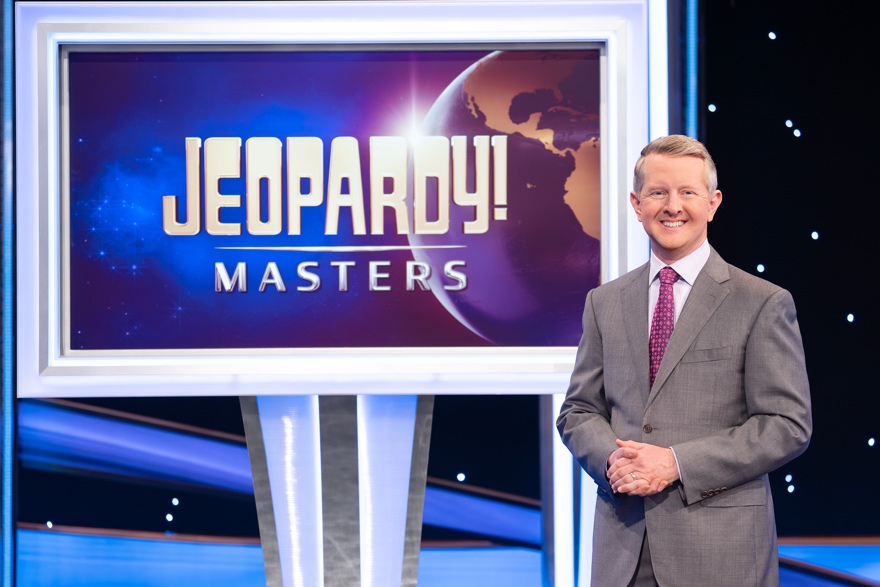
Ken Jennings’ role as host is another reason Jeopardy! Masters can operate like a franchise event. Jennings is not just a presenter. He is part of the show’s competitive mythology, known first as a record-setting champion and then as the face guiding elite players through the current tournament era.
For Masters, that matters. A competition featuring elite champions benefits from a host who understands the pressure and history of high-level Jeopardy! gameplay. Jennings can frame the tournament without making it feel like a celebrity spinoff. His presence keeps the tone serious, but still accessible enough for a primetime audience that may not track every tournament result.
That host-player relationship gives Masters a different texture from many game-show revivals. The show is not asking a generic TV personality to explain elite trivia culture. It is using someone whose own history sits inside the franchise. That gives the tournament a stronger sense of continuity and authority.
The format is still built around clues, categories, Daily Doubles, Final Jeopardy!, and wagering. Jennings’ role is to make the elite layer legible. He helps connect the everyday language of Jeopardy! to a tournament where small decisions can define a champion’s entire season.
How ABC And Hulu Turn The Tournament Into A Platform Event
The ABC and Hulu pairing is part of why Jeopardy! Masters fits the current unscripted market. ABC gets the primetime event. Hulu gets next-day availability. Viewers who watch live can participate in immediate conversation, while those who catch up later still have an official streaming path.

That setup matters for a game show because spoilers move fast. A Masters result can become a headline, a social clip, or a fan debate within minutes. Next-day streaming lets ABC keep more viewers inside the official ecosystem rather than losing them to scattered clips or summary posts.
It also supports the idea that game shows now compete with reality franchises for audience attention. A viewer deciding what to watch in late August is not only choosing between quiz shows. They are choosing among dating shows, competition series, celebrity formats, documentary-style unscripted programs, and streaming originals. Masters gives ABC a familiar brand with event urgency.
Laughing Place’s coverage of the Season 4 announcement highlighted the August 25 premiere, Ken Jennings’ return, the six-player lineup, and the $500,000 prize, reinforcing how ABC is presenting the season around both legacy and competitive stakes through a Jeopardy! Masters Season 4 preview.
The result is a show that can live in several lanes at once: game-show tradition, primetime event, streaming catch-up title, and fan-driven competition season.
Why Jeopardy! Masters Proves Game Shows Need Stronger Season Identity
The reason Jeopardy! Masters feels current is that it understands season identity. The main Jeopardy! show remains one of television’s strongest daily formats because it is repeatable, precise, and familiar. Masters serves a different purpose. It gives the franchise a premium competition layer with a defined cast, higher stakes, and stronger return-viewing incentives.
That is where the reality-franchise comparison becomes useful. Modern unscripted TV is crowded. Viewers respond to shows that give them a reason to track people over time. Jeopardy! Masters does that without changing the moral center of the game. It keeps knowledge, speed, and wagering at the core, then uses casting continuity to make those skills feel personal.
Season 4’s cast announcement shows ABC treating elite trivia players the way competition franchises treat all-stars. The players have histories. The format has stakes. The schedule has a finale. The platform plan keeps the tournament visible beyond one broadcast.
That combination may be the future of prestige game shows. The strongest formats will not abandon their rules to chase reality TV. They will borrow the parts of franchise competition that help audiences care sooner: returning names, clear stakes, championship paths, and season-long narrative memory.
For Jeopardy! Masters Season 4, the question is no longer whether elite trivia can fill primetime. ABC already knows the brand can carry a special event. The sharper question is whether Masters can keep turning knowledge competition into franchise television without losing what makes Jeopardy! trusted in the first place.