
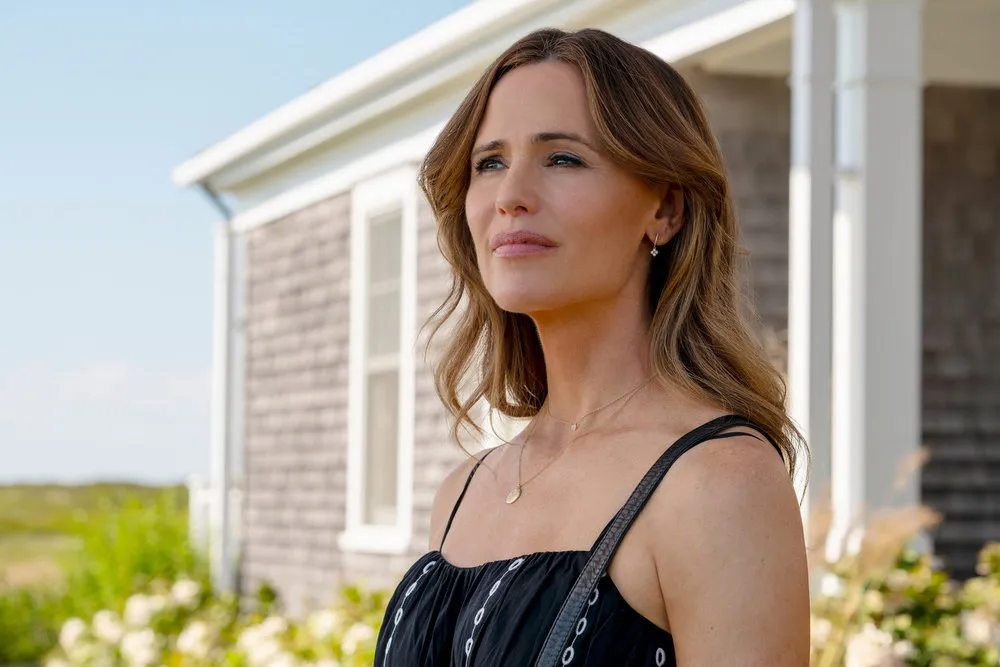

The Five-Star Weekend gives Peacock a summer drama that knows exactly what kind of viewing mood it wants to occupy. The eight-episode series premiered on July 9, 2026, as a full-season binge drop, adapting Elin Hilderbrand’s 2023 novel into a glossy Nantucket-set story about grief, female friendship, social performance, and the fantasy of healing through a perfectly arranged coastal weekend. Jennifer Garner stars as Hollis Shaw, a successful cook, author, and public-facing lifestyle figure who gathers women from different parts of her life after the sudden death of her husband.
That premise sounds soft at first glance, but Peacock’s version is more strategic than a simple beach-read adaptation. The series uses Garner’s approachable star image, Hilderbrand’s Nantucket brand, and a high-profile ensemble that includes Chloë Sevigny, Regina Hall, Gemma Chan, D’Arcy Carden, Harlow Jane, and Timothy Olyphant to build a drama around midlife friendship rather than murder, scandal, or high-concept thriller mechanics. Peacock’s official Five Star Weekend series guide positions the show as a summer binge built from grief, reinvention, food, friendship, and coastal atmosphere.
Why Peacock Needed A Softer Summer Drama
Peacock has built much of its current entertainment identity around reality TV, Bravo extensions, sports-adjacent events, and fast-moving fan conversation. The Five-Star Weekend gives the streamer a different summer lane: a scripted drama that feels emotionally accessible, visually aspirational, and easy to binge in one weekend.
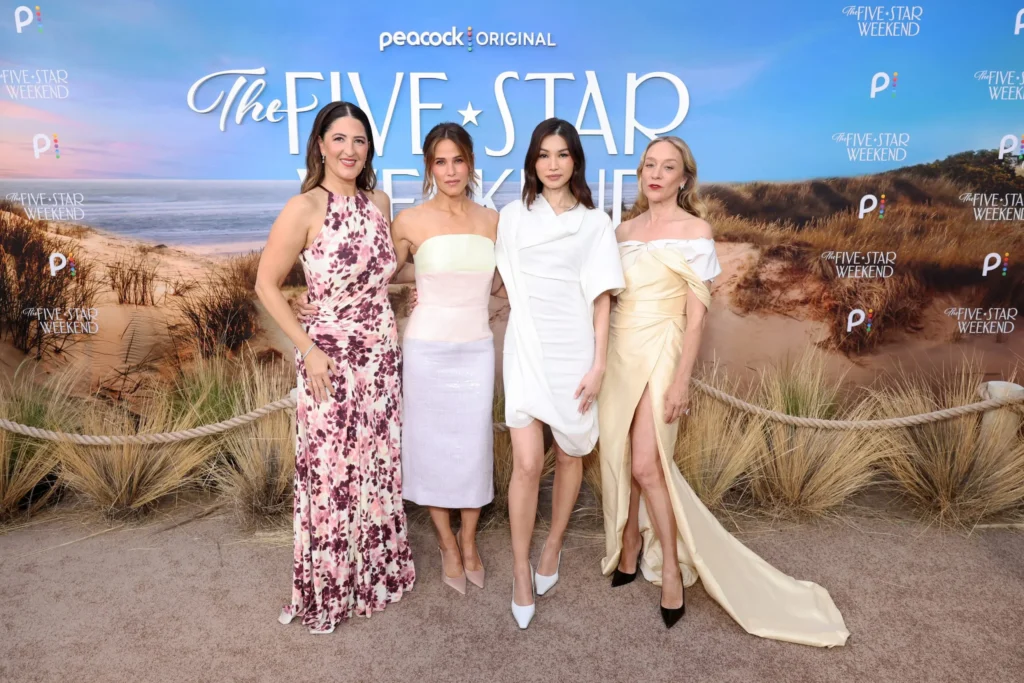
That matters because summer streaming is not only about loud franchises. Viewers often want shows that carry mood as much as plot. The Five-Star Weekend offers Nantucket homes, dinner-table tension, ocean air, complicated friendships, private regrets, and a cast full of recognizable performers. It is prestige-lite rather than prestige-heavy: polished enough to feel intentional, warm enough to avoid homework energy.
The show’s structure supports that strategy. A weekly release might have forced the series to compete through cliffhangers. An eight-episode drop lets viewers treat the story like a long vacation read. That fits Hilderbrand’s author brand and the show’s emotional subject. Hollis is not solving a crime. She is trying to curate her way through grief, only to find that the women she invites bring their own secrets, resentments, and wounds into the house.
That makes the show useful for Peacock. It can serve viewers who may not want another reality dating argument or dark limited-series mystery, but still want enough interpersonal tension to keep pressing play.
How Jennifer Garner Turns Hollis Shaw Into A Streaming Hook
Jennifer Garner is the show’s most important casting decision because Hollis Shaw has to be both enviable and fragile. The character’s world is built on presentation: food, books, domestic style, public warmth, and the promise that life can be arranged beautifully enough to make pain manageable. Garner’s screen persona helps sell that contradiction.
Garner has long carried a public image tied to warmth, relatability, motherhood, humor, and emotional intelligence. The Five-Star Weekend uses that image carefully. Hollis is not only a grieving widow. She is a famous woman whose private loss is tangled with a public brand. When she invites friends to Nantucket, the weekend becomes both a coping ritual and a performance of control.
People reported that Garner, who is also an executive producer, brought personal insight into how fame affects friendships and how a public-facing woman might manage motherhood, grief, and visibility. Showrunner Bekah Brunstetter said Garner contributed meaningfully to storylines around grief and motherhood, giving the adaptation a stronger connection between star and character through the Jennifer Garner Five-Star Weekend interview.
That is the real streaming hook. Viewers are not only watching Hollis host old friends. They are watching Garner play a woman whose polished life has stopped working.
Why Female Friendship Is The Show’s Strongest Engine
The show’s title promises luxury, but the stronger engine is friendship under pressure. Hollis invites four women tied to different stages of her life, which lets the series treat female friendship as a layered archive rather than a single support system. Childhood history, college memory, motherhood, professional envy, fandom, secrecy, betrayal, and social performance all enter the house.
That structure gives the series more flexibility than a simple grief drama. Each woman reflects a different version of Hollis or a different blind spot in her life. Chloë Sevigny’s Tatum brings older friendship and blunt emotional texture. Regina Hall’s Dru-Ann carries professional fallout and sharp comic bite. Gemma Chan’s Gigi brings intimacy complicated by hidden knowledge. D’Arcy Carden’s Brooke adds contemporary social energy and the strangeness of parasocial connection. Harlow Jane’s Caroline gives Hollis a daughter whose grief does not behave the way a mother might want it to.
Peacock’s Five Star Weekend cast guide frames the ensemble as one of the show’s core selling points, and that is the right read. The series is less interesting as a single-woman healing story than as a group study of what women owe each other after years of distance, competition, secrets, and silent judgment.
The show’s best argument is that friendship can be emotionally intimate without being uncomplicated. Hollis may arrange the weekend as a gift, but the gathering exposes how little control she has over the lives she has invited back into her orbit.
How Nantucket Escapism Becomes More Than Pretty Scenery
Nantucket is not just scenery in The Five-Star Weekend. It is part of the product. Hilderbrand’s fiction is deeply linked to the island, and the show uses that association to create a summer viewing identity: beaches, shingled homes, curated interiors, seafood-table warmth, and the fantasy of stepping away from ordinary life long enough to become honest.
Town & Country’s behind-the-scenes feature reported that while some scenes used Nantucket location work, much of Hollis’s home was built on a Los Angeles soundstage by production designer Scott Dougan. The production used a 180-foot panoramic ocean photo backdrop to create the Nantucket view, and the house was designed with classical New England style blended with modern comfort. The Five-Star Weekend set design feature shows how much of the show’s emotional identity comes from production design.
That matters because escapism is never neutral in a show like this. Hollis’s home is beautiful because she has built a life around beauty, food, and hospitality. The house offers comfort, but it also hides the labor of presentation. Every table setting, guest room, and coastal view becomes part of the question: can a perfect setting make messy grief easier to survive?
For Peacock, that visual world is valuable. Nantucket gives the show instant mood. It separates the drama from city apartments, crime scenes, courtrooms, and high-school hallways. It says: this is a summer escape, but the emotional weather is not as calm as the water.
Why Grief Works Differently Inside A Lifestyle Fantasy
Grief is the show’s central emotional problem, yet The Five-Star Weekend does not treat it as raw realism. It filters grief through lifestyle culture. Hollis responds to loss by arranging a weekend, inviting carefully selected women, and trying to create the conditions for healing as if healing were another hosted event.
That makes the series sharper than its soft surface suggests. The premise asks whether a person whose life depends on taste, hospitality, and public composure can let grief stay ugly. Hollis wants meaning. She wants connection. She wants the women in her life to help her understand who she is after her husband’s death. She also wants the weekend to hold together.
That conflict is deeply current. Modern grief is often public-facing, especially for people with platforms. Mourning becomes posts, photos, tributes, recipes, essays, interviews, and carefully managed vulnerability. Hollis is not a reality star, but the show understands the same emotional economy TrueRealTV often covers: public image does not disappear when private life falls apart.
That connection makes The Five-Star Weekend relevant to an audience used to watching fame, family, and emotional disclosure collide. TrueRealTV has covered how streaming platforms turn personal vulnerability into viewing ecosystems, especially in Peacock’s reality strategy around Love Island USA event TV. The Five-Star Weekend is scripted, but it uses a similar attention pattern: emotional exposure, carefully staged settings, and the audience’s desire to see what breaks behind the image.
How The Cast Lets Peacock Sell Midlife Drama Without Apology
One of the show’s strongest commercial arguments is that it treats middle-aged women as the center of the story, not as supporting mothers, mentors, or comic relief. Garner, Sevigny, Hall, Chan, and Carden give the series a range of tones: warmth, dryness, wit, glamour, frustration, grief, and awkward self-reinvention.
That matters in a market where shows aimed at women are often pushed into romance, murder, or nostalgia. The Five-Star Weekend uses romance and secrecy, but it is not built around finding a man or solving a corpse. Its more important question is whether women can meet again after years apart and tell the truth about who they became.
TIME’s review argued that dramas aimed at women are rarely allowed to avoid murder or romance as dominant engines, and described the Peacock adaptation as well cast for comfort-viewing escapism. Its Five-Star Weekend review framed the show’s appeal around familiar faces, low stakes, and the emotional value of women’s inner lives.
That is Peacock’s opportunity. A summer drama does not need to imitate darker prestige TV to justify itself. It can work by taking friendship, food, grief, health scares, betrayal, parenting, and career panic seriously enough to make them dramatic.
Why The Book Changes Matter For Streaming
Adaptations succeed when they understand that books and streaming seasons work differently. The Five-Star Weekend keeps Hilderbrand’s central shape, but recent coverage has noted changes from the novel. People reported that the series alters parts of Caroline’s arc, Dru-Ann’s professional storyline, Gigi’s affair reveal, and the ending, while the book’s Italy epilogue is not used in the same way. Its book-to-series changes guide shows how the Peacock version adjusts the story for screen pacing.
Those changes are not just trivia for book fans. They show how the series is built for a streaming audience that needs momentum across eight episodes. A novel can sit inside Hollis’s interior life and gradually unpack friend-group history. A show needs visible conflict, quicker reveals, and character pairings that create scenes.
The challenge is preserving Hilderbrand’s beach-read emotional rhythm while making the drama active enough for television. That is why the ensemble matters so much. The show can move from Hollis’s grief to Dru-Ann’s reputation crisis, Tatum’s health worry, Gigi’s secret, Brooke’s outsider energy, and Caroline’s complicated daughterly distance without relying on one plot twist to carry the season.
| Show Element | Streaming Function | Why It Helps Peacock |
|---|---|---|
| Eight-Episode Binge Drop | Lets viewers treat the series like a summer read | Supports weekend viewing |
| Jennifer Garner Lead Role | Gives the drama immediate warmth and star recognition | Broadens casual interest |
| Nantucket Setting | Creates a strong seasonal mood | Makes the show visually marketable |
| Female Ensemble | Turns grief into group drama | Adds multiple emotional entry points |
| Hilderbrand Source Novel | Brings built-in book audience | Gives the series recognizable beach-read value |
The adaptation’s job is not to copy every page. It is to make the weekend feel emotionally complete on screen.
Why The Five-Star Weekend Fits Peacock’s Broader Identity
Peacock’s scripted slate benefits from a show like The Five-Star Weekend because it gives the platform a softer counterweight to unscripted chaos, sports programming, comedy comfort, and Bravo-adjacent conflict. The series is not a reality show, but it shares some of the emotional materials that make reality TV sticky: women in a beautiful house, buried tensions, public persona versus private pain, friendship loyalty, and group dynamics that shift over a few concentrated days.
That makes it a smart fit for TruRealTV’s entertainment lane. The show sits between scripted summer drama and the kind of social-performance storytelling that powers unscripted television. Hollis is a public figure. Her friends arrive with emotional histories. The house becomes a pressure chamber. The weekend becomes a social experiment disguised as a retreat.
Peacock can sell that to viewers who like prestige-lite dramas, book adaptations, female ensembles, coastal settings, and emotionally messy social gatherings. It can also reach audiences who normally watch Bravo or relationship reality but want a scripted version of similar social friction.
That is the real value of the series. It does not need to be the loudest summer show. It needs to be the one that viewers recommend as “the Nantucket grief-friendship drama with Jennifer Garner.” That description is specific, searchable, and easy to understand.
Why This Summer Drama Could Have A Longer Tail
The Five-Star Weekend is built for a longer tail because its appeal is seasonal but not disposable. Viewers may arrive for Garner, Nantucket, Hilderbrand, or the ensemble. They may stay for the way the show treats grief as something that exposes every relationship around it.
The show’s question is simple: what happens when a woman tries to heal by gathering all the versions of herself into one house? The childhood friend knows one Hollis. The college friend knows another. The internet follower imagines a curated version. The daughter knows the private mother. The widow at the center is no longer sure which version still exists.
That is strong summer drama because it turns escapism into confrontation. Nantucket looks like refuge, but the weekend forces the guests to bring old damage into beautiful rooms. The result is a Peacock series that understands the appeal of soft light and expensive kitchens while still asking what happens when the image cracks.
For streaming audiences, that may be enough. The Five-Star Weekend gives Peacock a drama about women, grief, friendship, and place at a time when many platforms chase louder hooks. Its bet is quieter: a familiar star, a beloved beach-read author, an ensemble of adult women, and a coastal retreat where comfort and confrontation sit at the same table.