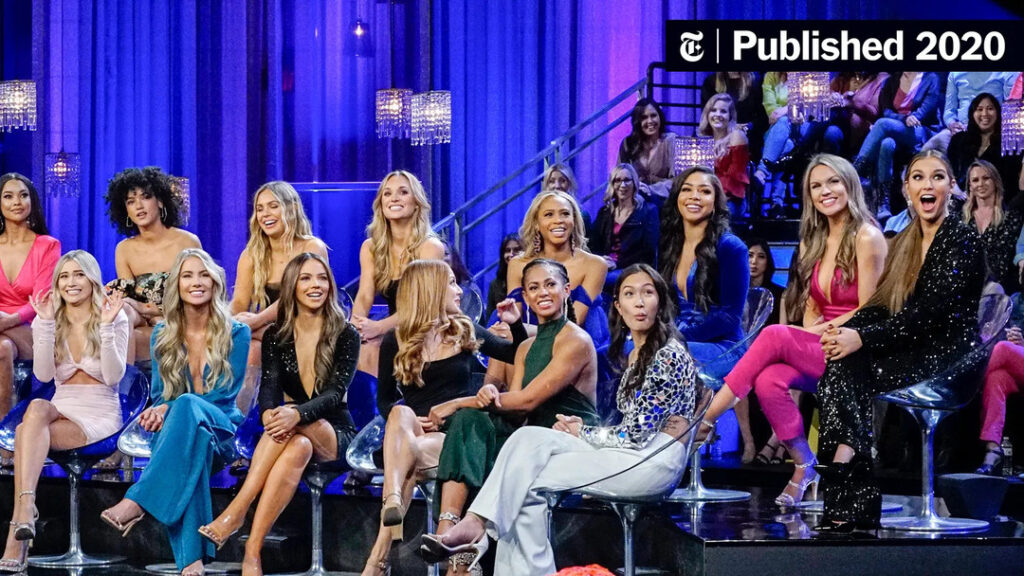


The ARTAS 2026 awards cycle is already shaping how reality programming talks about status, audience power, and cross-platform visibility. As of October 28, 2026, the submission window has closed, the industry voting period is underway, and the public phase is set for late 2026 into early 2027. That timing matters because unscripted television is being judged not only by genre craft but also by how strongly formats travel across broadcast, cable, streaming, digital services, and social platforms.
Confirmed: the 13th Annual American Reality Television Awards submission window ran from April 1 to August 21, 2026, closing at 11:59 PM PT. The official ARTAS submission rules state that more than 50% of a submitted show’s episodes must have aired between January 1, 2025, and June 30, 2026. That eligibility span gives the cycle a long view of unscripted programming rather than rewarding only the loudest recent release.
What ARTAS 2026 Awards Confirmed So Far
Why ARTAS 2026 Awards Timing Matters
Confirmed: industry voting by the Academy of Reality Television runs from October 12 to November 13, 2026. Because today is October 28, 2026, that stage is active rather than completed. Official nominees will be determined after that period. Public voting is scheduled to open on December 9, 2026, and close on February 12, 2027, before the main ARTAS ceremony in April 2027.
That structure gives the cycle two different forms of legitimacy. The nomination phase is industry-led, with Academy voters filtering a crowded field. The winner phase then moves toward public voting, which gives viewers a direct role in deciding outcomes. Market-analysis: this hybrid model fits reality television better than a purely closed awards process, because audience attachment has always been part of the genre’s value.
Opinion: the ARTAS 2026 awards cycle is especially useful as a cultural thermometer because reality TV often depends on visible audience behavior. Viewers do not only consume these shows; they rank contestants, share moments, argue over eliminations, remix clips, and make personalities visible outside the original episode. An awards cycle that includes public voting recognizes that reality programming has always lived partly in audience response.
The Eligibility Window Rewards Longer Format Life
The January 1, 2025, to June 30, 2026 eligibility frame also changes the kind of programming that can compete. A show does not need to be confined to a narrow release burst. Competition formats, docuseries, food shows, travel shows, home and lifestyle series, talent formats, digital-first reality programs, true crime, and international series airing in the U.S. market are all part of the wider eligible field according to the research record.
That range is not a small administrative detail. It reflects how reality TV now includes legacy network brands, streamer-first franchises, social-native personalities, and international formats competing for the same attention. For audience members, the effect is a wider awards conversation. For producers, the effect is a reminder that reality TV identity is no longer tied to one distribution model.
Why The New Reality Social Star Category Matters
Creator Visibility Is Now Part Of The Format
Confirmed: a new category in this cycle is “Reality Social Star.” That addition is one of the clearest signals from the current cycle. It acknowledges that some reality personalities now build much of their visibility between episodes, on platforms where clips, commentary, live reactions, and creator-led posts can extend a show’s life.
Market-analysis: the category does not mean traditional shows are losing relevance. It means the measure of impact has broadened. A contestant, host, or digital-first personality can affect how a program is remembered long after a season finishes airing. That shift is particularly meaningful for younger viewers who may first encounter a reality TV figure through a short clip before seeing the original series.
The ARTAS 2026 awards cycle therefore captures a wider industry adjustment. Networks and platforms still need full episodes, repeatable formats, production standards, and recognizable brands. Yet they also need personalities who can keep discussion active in fragmented attention spaces. Reality Social Star is not just a category addition; it is an awards-side acknowledgment of a behavior that audiences have already normalized.
Fan Voting Makes Recognition More Public
Confirmed: ARTAS combines Academy-selected nominations with winners chosen by popular vote. Past cycles have drawn millions of public votes across categories, according to the research record. Caution is needed here: public voting totals do not automatically prove broad cultural dominance for any single show. They do, however, show that the awards body is built around viewer participation rather than treating audiences as passive observers.
That matters because reality TV has often been criticized as less prestigious than scripted drama or comedy, even while it remains central to programming schedules and streaming retention. A fan-supported awards mechanism gives the genre a space where popularity, loyalty, and format craft can meet. It also creates marketing value: nomination and winner labels can be used in social posts, platform menus, press materials, and pitch decks without relying only on critical approval.
What The 12th Annual Winners Suggest
Recent Results Show Genre Breadth
Confirmed: the previous 12th Annual ARTAS winners were revealed from April 1 through May 26, 2026, across 26 categories using social media and website vertical content. The stated shift toward that format was meant to match how audiences consume media. That rollout choice is culturally consistent with the genre itself: reality TV often thrives through clips, reveals, voting prompts, and short-form shareability.
The named 12th Annual winners also show how wide the genre field has become. RuPaul’s Drag Race won Reality TV Moment and Outstanding Art Direction. Dancing with the Stars won Outstanding Competition Show. Hell’s Kitchen won Best Overall Show. These examples are not interchangeable. They represent performance, competition, production design, culinary pressure, celebrity participation, and franchise durability.
Opinion: the lesson for the current cycle is that reality TV awards cannot be read as a single taste category. A studio-style competition show, a personality-led cooking format, and a pop-culture performance franchise all ask audiences to value different skills. The ARTAS 2026 awards are likely to be read through that same broad lens once nominees are announced after the active industry voting period.
Vertical Announcements Fit Reality TV Habits
The prior cycle’s website and social-first winner rollout also points to a practical shift in awards communication. For scripted prestige awards, the ceremony often remains the central event. For reality programming, smaller digital reveals may fit the audience pattern more closely, especially when viewers are used to short reaction loops and category-specific fandoms.
This does not reduce the value of the ceremony scheduled for April 2027. It does suggest that ARTAS recognition can operate in stages: submission buzz, industry voting, nomination discussion, public voting, winner campaigning, and ceremony positioning. Each stage gives programs a fresh reason to re-enter audience conversation.
How Networks And Producers Can Use The Cycle

Awards Recognition Becomes Marketing Evidence
Confirmed: networks, cable outlets, streaming platforms, digital services, production companies, and on-screen talent may submit entries, with industry Academy membership described as free and vetted before voting. That eligibility model opens the door to a wide group of stakeholders, from large platforms to production teams trying to raise visibility for unscripted formats.
Market-analysis: nomination status can function as marketing evidence in a crowded unscripted field. It can help a returning show signal relevance, help a newer format establish credibility, or help a personality build cross-platform recognition. The value is not only a trophy. It is the ability to tell audiences, buyers, and partners that a show has been recognized within a dedicated reality TV awards structure.
That is why the ARTAS 2026 awards cycle matters beyond the ceremony. It gives reality programming a calendar. For platforms and producers, a calendar creates campaign moments. For viewers, it creates a way to compare shows that may otherwise sit in separate corners of the TV experience.
Audience Trust Still Depends On Clear Categories
Caution: wider eligibility can make awards more inclusive, but it can also make category clarity more important. A digital-first reality show, an international U.S.-market series, a true-crime docuseries, and a network competition format may all be unscripted, but they do not create value in the same way. Audience trust depends on categories that make those differences legible.
That issue connects with wider reality TV awards debates, including how representation, hosting, and audience trust shape recognition. TrueRealTV previously examined related pressure points in Emmy reality TV analysis, where awards attention raised questions about who gets recognized and what kinds of reality labor are easiest to reward.
For readers tracking award-season identity across nearby culture coverage, BIFF Award, a related network site, offers another example of how focused awards spaces can build meaning around specific screen communities.
What ARTAS 2026 Awards Mean For Reality Programming
The Cycle Measures More Than Popularity
The safest reading of this cycle is also the most useful one: ARTAS is measuring a genre in motion. Confirmed dates show a structured process. The new Reality Social Star category shows attention to creator visibility. The public voting phase shows that audience participation remains central. The 12th Annual winners show that competition, performance, food, design, and franchise moments can all carry awards value.
Opinion: the ARTAS 2026 awards will not single-handedly define the future of reality TV. No awards body can do that. But the cycle does reveal where the genre is placing emphasis: social reach, fan engagement, industry validation, and format breadth. Those are the same forces shaping commissioning, renewal campaigns, and audience loyalty across unscripted television.
By the time public voting opens on December 9, 2026, the conversation will likely shift from eligibility and submission strategy to visibility and turnout. Until nominees are officially determined after November 13, any prediction would be speculative. What is already clear is that the awards cycle has become a useful map of reality programming’s current priorities: not gossip, not shock value, but recognition, audience behavior, and the changing ways unscripted TV proves its cultural weight.