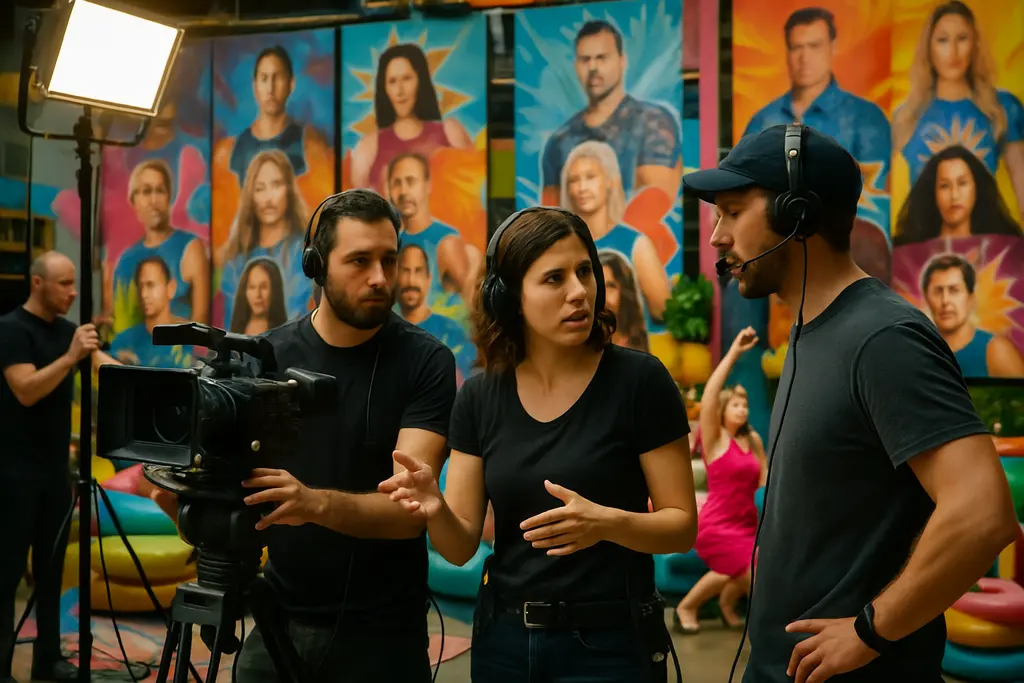


The Challenge Challenge Paramount+ move is now a completed distribution change, not a future experiment. Season 42, subtitled Cutthroat, premiered on August 5, 2026, with the flagship series debuting exclusively on Paramount+ rather than MTV. Confirmed fact: Paramount+ described the season as the first time the mainline series moved to the streamer for its premiere, with 24 competitors, a team format, and a $500,000 grand prize in its official Season 42 guide.
That shift matters because The Challenge is not a fragile new title being tested for brand recognition. It is a long-running reality competition property whose audience was trained for decades through MTV’s cable identity. Moving that kind of show changes more than the release address. It asks whether legacy reality fandom can be moved from a channel habit into a subscription habit without weakening the series’ identity.
Market-analysis: this is a subscriber-first decision. Paramount+ gains an exclusive reality competition title with a long archive behind it, while MTV loses one of the clearest links between its past as a youth-culture cable channel and its present as a thinner linear platform. For viewers, the tradeoff is more direct access to a franchise library, but less of the casual discovery that cable scheduling once supplied.
Why The Challenge Paramount+ Move Matters
A Legacy Cable Series Became A Streaming Asset
Confirmed fact: Season 42 did not debut on MTV. That single change reframes The Challenge as a Paramount+ acquisition tool rather than only an MTV programming staple. Paramount+ also makes Seasons 10 through 41 available on demand, which gives the streamer a broader franchise package rather than a lone new season. That archive is important because reality competition loyalty often depends on memory: rivalries, returns, eliminations, team formats, and the audience’s ability to compare current cast behavior with past seasons.
Opinion: the archive may be as valuable as the new season for some viewers. A new viewer can sample older seasons before committing to Cutthroat, while returning fans can rewatch context around recurring competitors. That is a different kind of value than MTV’s old schedule could offer. Cable could create appointment viewing. Streaming can create franchise immersion, though it also requires viewers to seek the show out with more intent.
Challenge Paramount+ And The Streaming Habit
The Challenge Paramount+ shift also reflects a broader programming belief: reality competition can do more for a streamer when it is exclusive, serialized, and connected to a library. A show like The Challenge is not only a weekly contest. It is a cast ecosystem, a rule format, a memory bank, and a repeat-viewing machine. Those traits make it useful for a platform that wants viewers to return across weeks and then stay for past seasons.
Market-analysis: Paramount+ is not treating reality as filler here. By placing the flagship season behind the streamer, the company is signaling that unscripted competition can support the same retention logic often associated with scripted franchises. The related TrueRealTV analysis of The Challenge Season 42 revival reads the Cutthroat format as a nostalgia play with higher-stakes platform value, which fits the same strategic pattern.
What MTV Loses When A Flagship Moves
The Cable Channel Becomes Less Central To Its Own Mythology
Confirmed fact: MTV’s prime-time U.S. audience fell sharply over the prior decade, averaging about 256,000 viewers in 2023 compared with about 807,000 in 2014, according to AP’s reporting on cable networks. That decline helps explain why a company would move a valuable title away from a linear-first launch. If fewer viewers are gathering at the channel, the channel becomes a weaker starting point for a franchise that still has cultural value.
Market-analysis: MTV’s challenge is symbolic as much as economic. The Challenge carried a direct line to the channel’s youth-programming identity, even as the broader cable audience shrank. Moving the flagship to Paramount+ tells viewers that the parent company now sees the franchise’s future in a streaming relationship rather than a cable one. The brand history remains, but the primary venue has changed.
That does not mean MTV has no value. It still carries recognition, and its name remains attached to decades of reality-TV development. But the move narrows the gap between “MTV show” and “Paramount-owned streaming asset.” For longtime viewers, that may feel like a loss of place. For Paramount+, it may feel like reclaiming a strong property from a weakening distribution pipe.
Casual Discovery Becomes Harder
Opinion: one risk is the loss of accidental viewing. Cable helped shows gain viewers who stayed after another program, caught a marathon, or found reruns while channel surfing. Streaming can recommend a show, but recommendation is not the same as passive exposure. A reality franchise with a dense cast history may benefit from targeted promotion, yet it can also become less visible to viewers who are not already inside the service.
This is where the Challenge Paramount+ decision becomes a test of audience transfer. The most loyal viewers may follow the show. The harder question is whether new or casual viewers will find it without MTV functioning as the front door. Paramount+ has the advantage of the archive, but the service still has to make the franchise legible to people who did not grow up with it.
How The Move Changes Reality TV Economics
Exclusivity Replaces Channel Prestige
Market-analysis: in the cable era, a show’s value was often tied to what it could do for a channel’s schedule. In the streaming era, value is increasingly tied to what it can do for subscription behavior. The Challenge fits that shift because it has repeatable formats, returning personalities, and competitive stakes that can be marketed week by week. Those features support a service that needs more than one-night attention.
The prize structure also matters as a signal. Confirmed fact: Cutthroat features a $500,000 grand prize. That figure gives the season a clear promotional hook and helps position it as a major competition rather than a low-cost archive extension. The 24-competitor setup and team format give Paramount+ a season shape that can be explained quickly in marketing, which is valuable for a streamer asking viewers to sample the show outside its old cable home.
Owned Franchises Can Be Repackaged More Aggressively
Confirmed fact: Paramount+ has the new season and a large block of prior seasons available. Market-analysis: that combination lets the platform package The Challenge as both a current event and a catalog destination. It can promote Cutthroat while giving viewers a reason to stay after the weekly season ends. That is a stronger platform proposition than carrying only a new season with no franchise depth around it.
For comparison across TV culture rather than gossip-driven coverage, sites in the same editorial network such as a related network site often frame distribution as a cultural signal, not just a business switch. The same lens works here. A reality series moving from MTV to Paramount+ tells audiences where the company believes the relationship now lives: not on a cable channel, but inside a subscription environment built around owned brands.
Audience Reaction Is About Access And Identity
Fans Gain A Library But Lose A Shared Cable Ritual
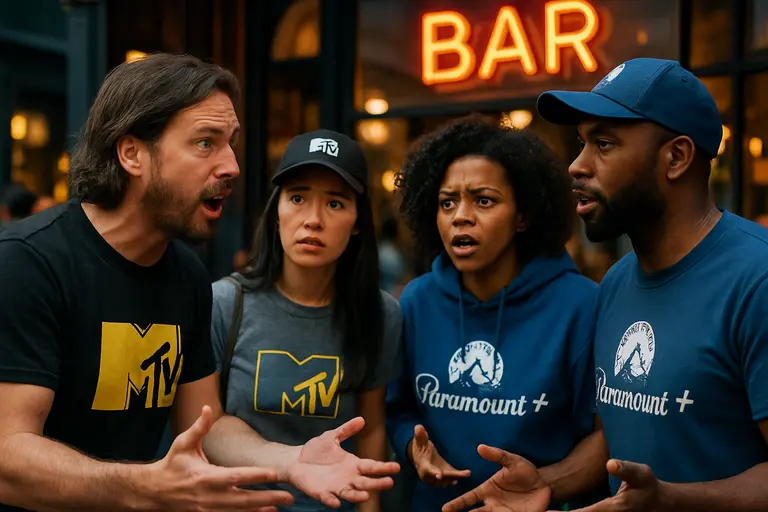
Reviewed opinion: the audience tradeoff is mixed. Viewers with Paramount+ gain centralized access to a new season and many prior seasons. Viewers without the service face a new access barrier for a show that once fit into a cable package. That distinction matters because reality TV has often thrived on broad availability, shared timing, and social discussion around eliminations.
The Challenge Paramount+ shift may strengthen engagement among committed subscribers while thinning participation among casual viewers. That is not a contradiction. Streaming often concentrates fandom by giving dedicated viewers more control and more archive access, while reducing the looser public visibility that cable once created. For a franchise with decades of accumulated lore, concentration can be powerful, but it can also make entry feel steeper.
The Franchise Has To Teach New Viewers Faster
Opinion: The Challenge now has to function for two audiences at once. Longtime viewers want continuity, callbacks, and cast history. Newer Paramount+ viewers need clean rules, clear stakes, and enough context to care without watching dozens of earlier episodes. The team format may help because it gives the season a simple structure, but the larger franchise history can still feel imposing.
This is one of the cultural costs of moving legacy reality to streaming. Platforms like deep catalogs because they create value. New viewers can find those same catalogs intimidating. The service has to present the show as accessible without flattening what longtime viewers value about it.
The Challenge Paramount+ Move As Reality TV Signal
The Challenge Paramount+ move signals a clear industry bet: long-running reality franchises are no longer only cable schedule anchors. They are subscription assets, archive engines, and retention tools. Paramount+ used Cutthroat to move the flagship series into an exclusive streaming position on August 5, 2026, while placing a large span of prior MTV seasons around it. That is not a minor scheduling edit. It is a repositioning of a legacy reality brand.
Market-analysis: the move also shows the uneven cost of streaming strategy. Paramount+ gets a recognizable franchise with new-season urgency and catalog depth. MTV loses another reason for viewers to treat the channel as the natural home of youth-facing reality competition. Viewers gain on-demand access if they are inside the service, but the franchise may become less visible to people outside that subscription base.
The best reading is cautious rather than celebratory. The distribution change gives The Challenge a clearer streaming future, but it also tests whether decades of cable-built loyalty can be converted into platform loyalty. If the audience follows and new viewers can enter without feeling locked out by history, the move will look like a practical model for other legacy reality properties. If the show becomes too enclosed inside its own subscriber base, it may prove that moving a franchise is easier than recreating the broad cultural reach that built it.