

Campus Confidential: Miami is not a traditional Bravo reality launch squeezed onto a phone. It is Peacock testing whether Bravo’s conflict-driven storytelling can work in a vertical, short-form, mobile-only format built for viewers who already consume drama through clips, creator feeds, and fast social updates. The series launched June 15, 2026, on the Peacock mobile app as Bravo’s first original unscripted microdrama, placing Miami college social life, influencer tension, sorority fallout, and Bravo-adjacent casting inside episodes designed to be watched in minutes instead of hour-long blocks.
The move matters because Peacock is not only adding another reality title. It is testing a new viewing shape for unscripted TV. Peacock’s own microdrama rollout described the format as vertical smartphone viewing, with short episodes made for quick, on-the-go consumption and a prominent place inside the mobile app. That makes Campus Confidential: Miami a useful signal for where reality platforms may go next: less dependent on the living-room screen, more connected to mobile behavior, and more willing to treat Bravo-style storytelling as something viewers can scroll through between longer shows. Peacock framed the broader microdrama push in its official microdrama announcement.
Why Peacock Picked Bravo For A Mobile-First Test
Bravo is a logical test brand for mobile-first reality because the network’s strongest shows already travel well outside the episode. The Real Housewives, Vanderpump Rules, Southern Charm, Below Deck, and other Bravo franchises do not live only in full episodes. They spread through reunion clips, confessionals, reaction videos, podcasts, social posts, and fan accounts that isolate one confrontation, one quote, or one social betrayal.
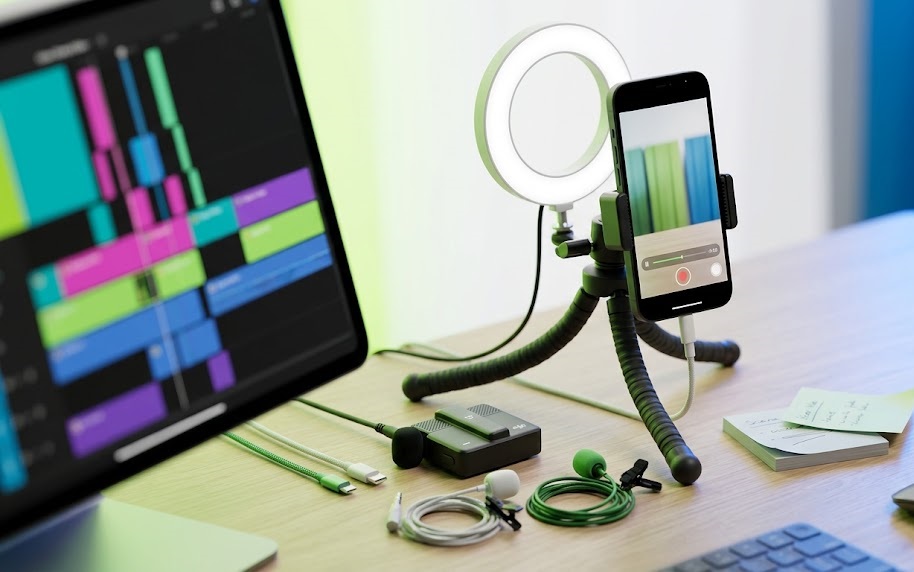
That behavior matches the microdrama format. A short-form reality chapter does not need the same pacing as a traditional cable episode. It needs a fast premise, clean social conflict, and enough personality to make viewers continue into the next short segment. Campus Confidential: Miami uses that logic by placing friendship, romance, Greek life, and social-media drama inside a two-chapter structure.
Peacock’s May 2026 announcement named two Bravo unscripted microdramas for summer: Campus Confidential: Miami and Salon Confessionals with Madison LeCroy. The company described them as the first official originals in the format announced by a major U.S. entertainment streaming platform. That phrasing reveals the strategic point. Peacock is using Bravo not only for content, but for brand permission. If any NBCUniversal reality label can make short social conflict feel premium enough for a streamer, Bravo is the one with the clearest audience path.
That strategy connects with earlier TrueReal TV coverage of how Peacock has been building reality programming into broader entertainment ecosystems, including Love Island USA’s reality universe. The same platform logic applies here: a reality format becomes more valuable when it can stretch across episodes, clips, mobile features, fan chatter, and brand extensions.
What Campus Confidential: Miami Actually Launched
Campus Confidential: Miami premiered on Monday, June 15, 2026, through the Peacock mobile app. Reporting from Realscreen described it as Peacock’s first Bravo original microseries, divided into two chapters and released through the app rather than positioned as a standard streaming-series rollout. Realscreen’s coverage also tied the project to production companies Micromaker and Haymaker East, with names including Aaron Rothman, Jesse Light, Josh Halpert, and Liz Gately connected to the production side of the series through the announcement covered in its unscripted microseries report.
The two-chapter structure gives the project a reality-soap shape. The first chapter, “The Sorority Dropout,” centers on Georgia Gay, daughter of Heather Gay from The Real Housewives of Salt Lake City, after leaving her sorority and facing the social consequences of that decision. The second chapter, “Influencer Enemies,” follows Sienna Long and Nikki Pindor after an online feud becomes part of campus social life.
The Miami Hurricane, the University of Miami’s student newspaper, reported that Nikki Pindor, Sienna Long, and Georgia Gay are University of Miami students and that the show follows UM social hierarchies and scandals. Its June 15, 2026 report said “The Sorority Dropout” spans 27 episodes and “Influencer Enemies” spans 23 episodes, giving the full project a 50-episode mobile structure. The same report added useful campus-specific context, including that filming occurred on campus in late April and throughout May, according to its University of Miami student report.
That episode count is central to the experiment. Traditional reality TV builds one episode around several scenes. A microdrama breaks one conflict into many small turns. That changes how suspense works. Instead of waiting a week for the next episode or sitting through a full hour, the viewer is pushed toward a quick next tap.
Why The Format Changes Reality TV Pacing
The most important part of Campus Confidential: Miami is not the Miami setting alone. It is the format. A 60-to-90-second reality episode has to compress setup, conflict, reaction, and cliffhanger into the time a viewer might usually spend on a social video. That creates a different editing contract with the audience.
MediaPost reported that Campus Confidential: Miami was made for mobile viewing, premiered on the Peacock mobile app, and runs in short episodes of roughly 60 to 90 seconds. It also described the two chapters as “The Sorority Dropout” with 27 episodes and “Influencer Enemies” with 23 episodes, noting that the series is positioned as a Bravo original microdrama made for the Peacock app. MediaPost’s mobile microdrama analysis framed the project as part of a wider Peacock app-based experiment.
Reality TV has always relied on editing, but mobile microdrama intensifies the role of the cut. A scene cannot wander for long. Each segment has to identify the conflict quickly: a social circle falls apart, a friendship becomes public content, a sorority decision turns into a reputation crisis, or a viral feud becomes a campus storyline. That is closer to how audiences already discover reality TV through TikTok, Instagram Reels, YouTube Shorts, and reaction accounts.
The format could help Peacock reach viewers who like Bravo behavior but do not start with a cable-style episode. A younger viewer may not sit down for an entire season of a legacy franchise, but they may test a short chapter if it feels closer to the apps they already use. That does not replace long-form reality. It creates a lower-friction entry point.
| Format Choice | What It Changes | Why It Matters For Bravo Fans |
|---|---|---|
| Vertical Video | Built for phone screens instead of TVs | Matches social-video viewing habits |
| 60-To-90-Second Episodes | Compresses conflict into short chapters | Makes reality drama easier to sample |
| Mobile App Placement | Keeps the show inside Peacock’s phone experience | Turns the app into a daily short-form destination |
| Bravo Branding | Adds reality-TV credibility | Connects new faces to a familiar unscripted tone |
| Two-Chapter Structure | Separates storylines by conflict | Makes the series easier to follow in fragments |
How Georgia Gay Gives The Series A Bravo Connection
Georgia Gay’s presence gives Campus Confidential: Miami an immediate Bravo bridge. Her mother, Heather Gay, is one of the best-known personalities from The Real Housewives of Salt Lake City, which means the project is not introducing itself as an entirely unrelated campus reality series. It carries a Bravo-family connection into a new format.
That connection matters because mobile-first formats can feel disposable if the audience does not recognize the value of the world being presented. Georgia Gay gives Peacock a familiar entry point without making the show a direct Real Housewives spin-off. The story still centers on Miami student life and social fallout, but the Bravo relationship gives fans a reason to pay attention.
The risk is that the Bravo connection could overshadow the actual format test. A headline built only around Heather Gay’s daughter would reduce the project to celebrity-adjacent casting. The more useful reading is that Peacock is testing how much Bravo identity can transfer into short-form unscripted storytelling. Georgia Gay provides recognition. Sienna Long and Nikki Pindor provide a second test: whether a social-media feud involving lesser-known campus personalities can hold attention without a legacy Bravo name attached.
That balance is important. If the series works only because of a Housewives connection, Peacock learns one lesson. If both chapters draw attention, it learns a different one: Bravo-style conflict can be formatted around emerging personalities, campus settings, and influencer behavior without needing a full legacy franchise behind every story.
What Peacock’s Mobile Strategy Is Really Testing
Peacock’s mobile strategy is not only about vertical video as a visual format. It is about keeping users inside the app between larger viewing appointments. A viewer may open Peacock for Love Island USA, a Bravo series, a live sports event, or a movie. Microdramas give that same user something shorter to tap when they do not have time for a full program.
NBCUniversal described the June 2026 launch as part of a push into vertical video and original unscripted microdramas, saying Peacock was expanding made-for-phone experiences to deepen engagement and give fans more ways to connect with NBCUniversal franchises. Its June 22, 2026 company update framed Campus Confidential as part of a wider mobile push involving vertical video and short-form fan engagement in the NBCUniversal mobile engagement update.
That is the bigger business question behind Campus Confidential: Miami. Streaming services have spent years competing on prestige shows, library depth, sports rights, and franchise originals. Mobile-first reality asks a different question: can a streamer build habits that look more like social media without giving up its own app environment?
Peacock is not alone in noticing that behavior. Short-form video already trains viewers to expect fast payoff, vertical framing, and continuous recommendation. The difference is that Peacock is trying to bring that pattern into a subscription streaming environment with branded entertainment assets. Bravo gives the experiment a specific voice. Miami gives it a visual and social setting. The microdrama structure gives it a reason to exist on the phone.
Why Campus Reality Fits The Microdrama Model
A college social environment fits short-form reality because the stakes are easy to understand. Friend groups, sororities, campus reputation, influencer status, parties, screenshots, and public feuds all translate quickly. Viewers do not need a long lore guide to understand why leaving a sorority could change a social circle or why two campus creators might clash after a viral post.
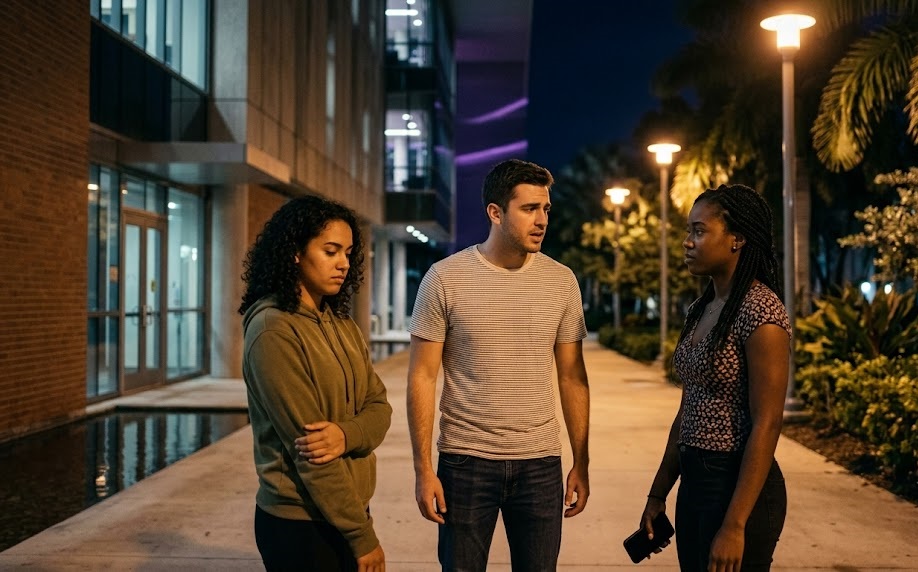
That is what makes Campus Confidential: Miami different from simply cutting a Bravo episode into clips. The premise is already built around social fragments. A text, a TikTok, a campus rumor, a yacht party, or a public fallout can become the center of one short installment. The format does not have to fight the subject matter.
The Miami setting adds another layer. Miami carries an entertainment identity tied to nightlife, image, influencer culture, luxury aesthetics, and televised reality history. Peacock’s promotional language leans into the gap between perfect posts and messy reality, which fits the city’s screen-friendly image. The risk is obvious: campus life can be flattened into a glossy social fantasy. The opportunity is just as clear: if handled with enough self-awareness, the show can dramatize how student identity and social-media performance now overlap.
That is why sourcing matters with this topic. Articles about the show should avoid treating every campus conflict as verified fact or every promotional description as documentary truth. The safe and accurate angle is to analyze the format, the platform strategy, the confirmed participants, and the broader Bravo experiment.
What Reality TV Fans Should Watch Next
Campus Confidential: Miami may not decide the future of Bravo on its own, but it gives reality TV fans a clear test case. If viewers sample the series, finish chapters, and discuss the cast beyond the Peacock app, NBCUniversal may treat mobile-first Bravo originals as more than a seasonal experiment. If the response stays limited, microdramas may remain a side feature rather than a major unscripted lane.
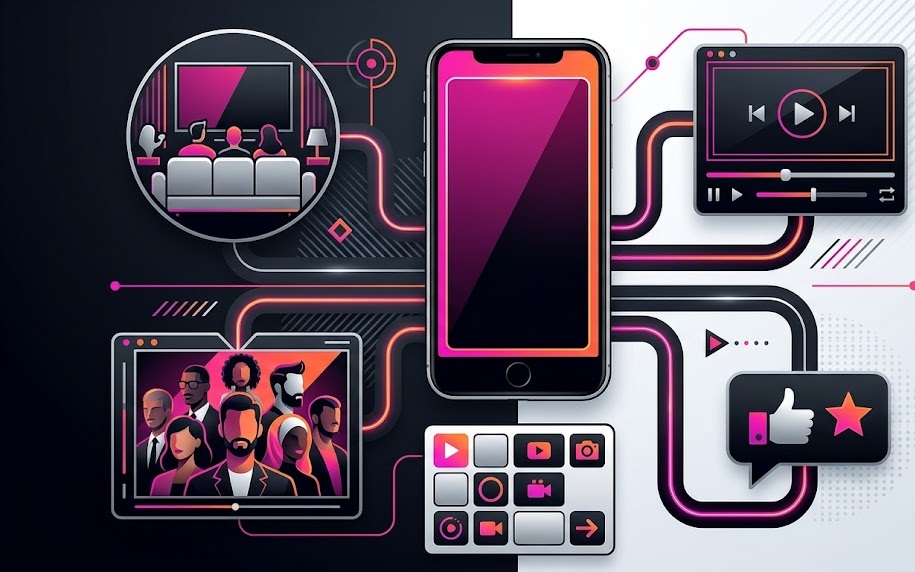
The most important signal will be whether Peacock can turn short-form viewing into stronger franchise engagement. A successful microdrama does not need to replace The Real Housewives, Below Deck, Southern Charm, or Love Island USA. It needs to make the Peacock app feel active between those bigger shows. It needs to give Bravo fans quick reasons to return, react, and share.
For reality TV, that shift is worth watching. The genre has always adapted to the screen that shapes audience behavior: broadcast schedules, cable marathons, streaming drops, reunion specials, podcasts, and now vertical mobile feeds. Campus Confidential: Miami shows Peacock testing whether Bravo’s social-drama engine can survive in a format where every episode has to earn the next swipe.
If the experiment works, the next wave of reality storytelling may not begin with a cast trailer or a one-hour premiere. It may begin with a phone held vertically, a short chapter, and a conflict designed to make viewers tap again.